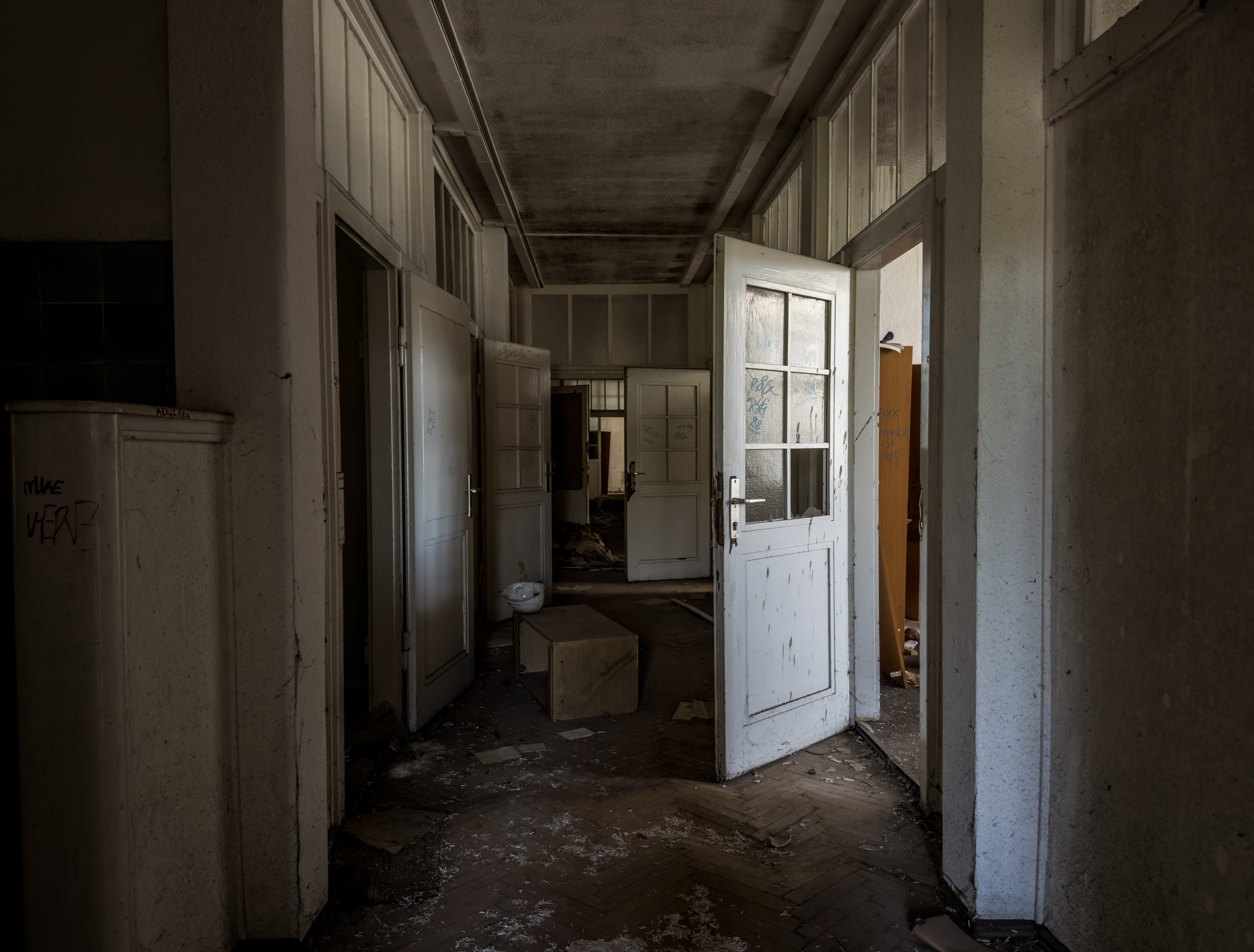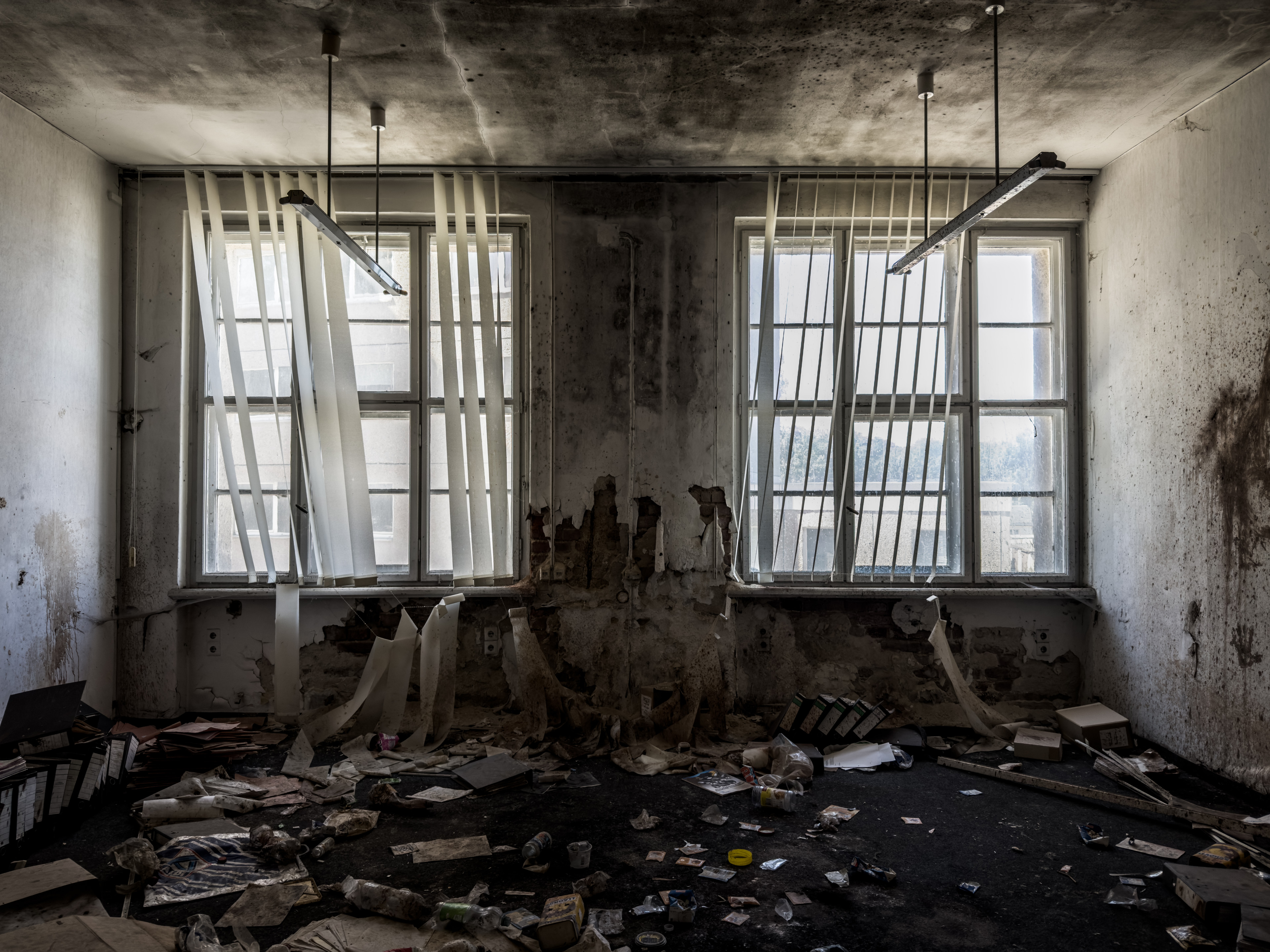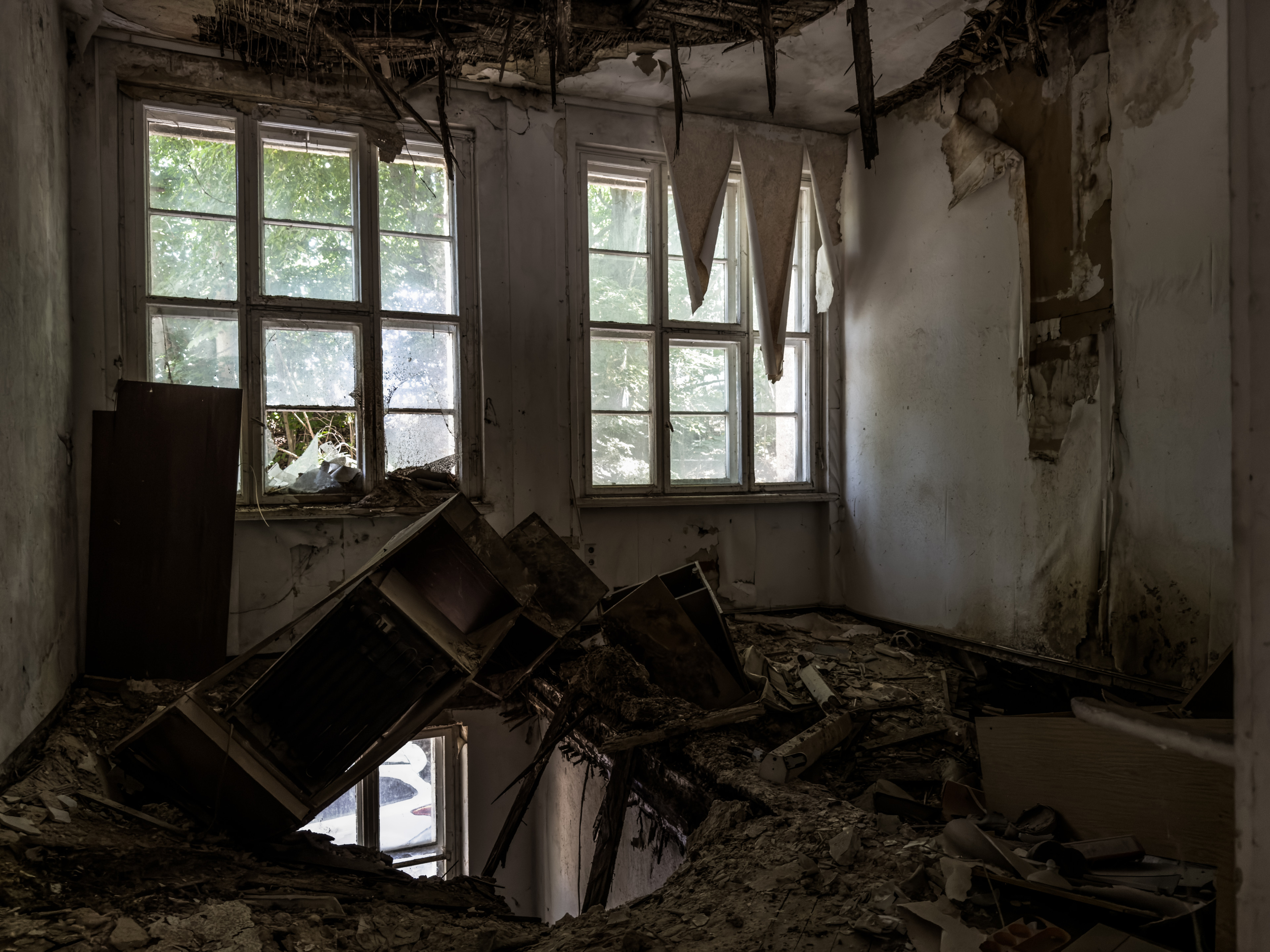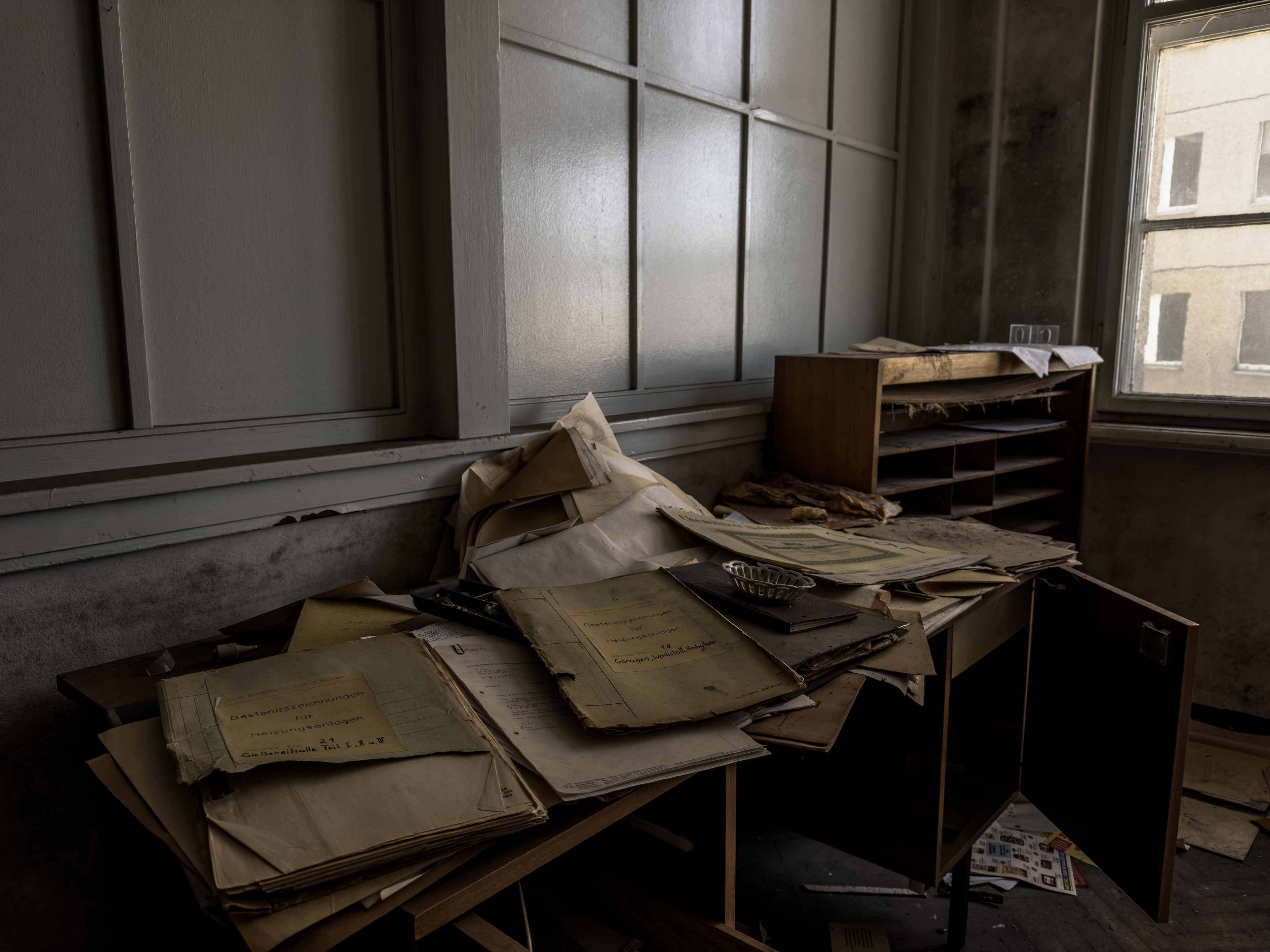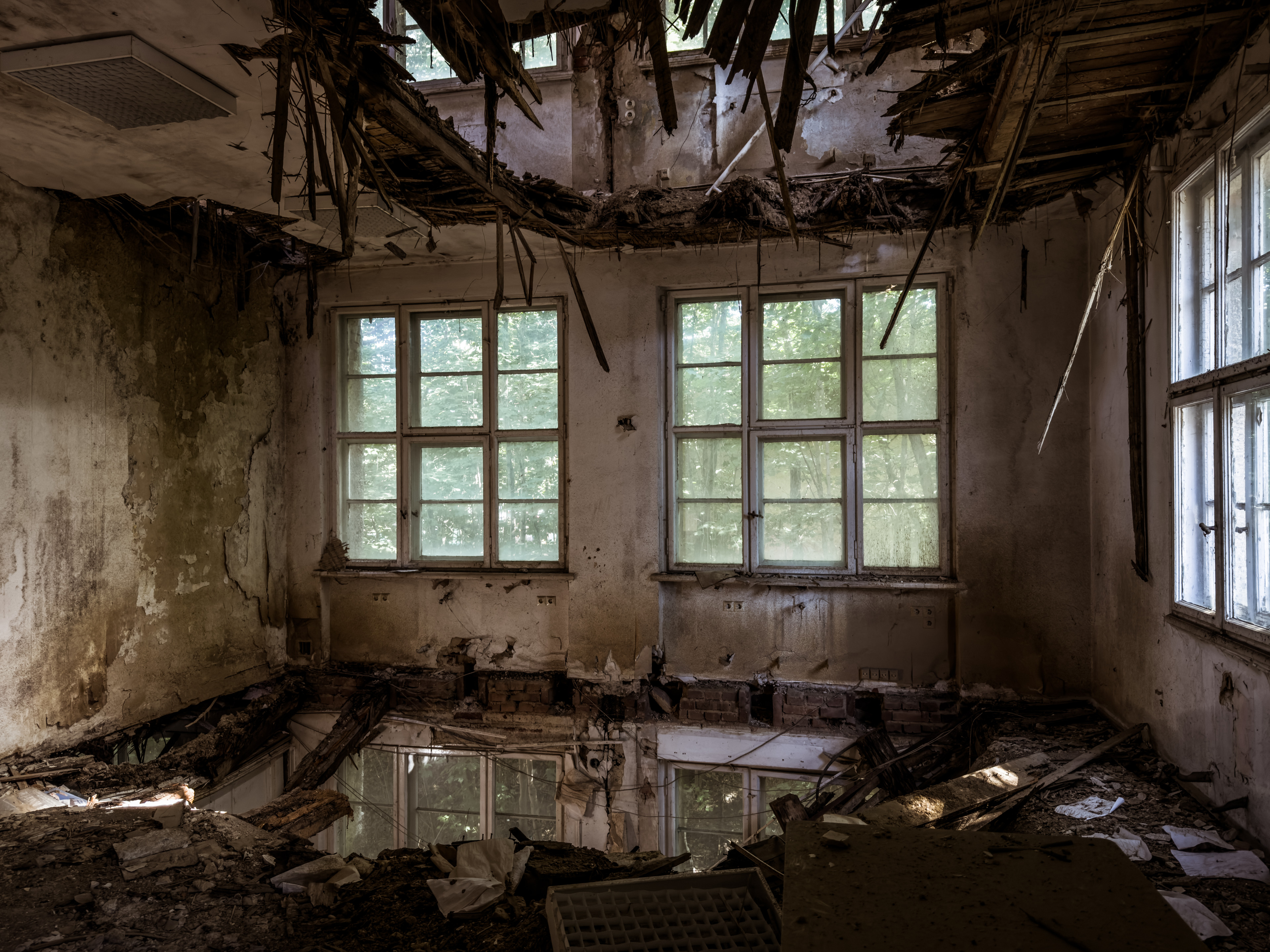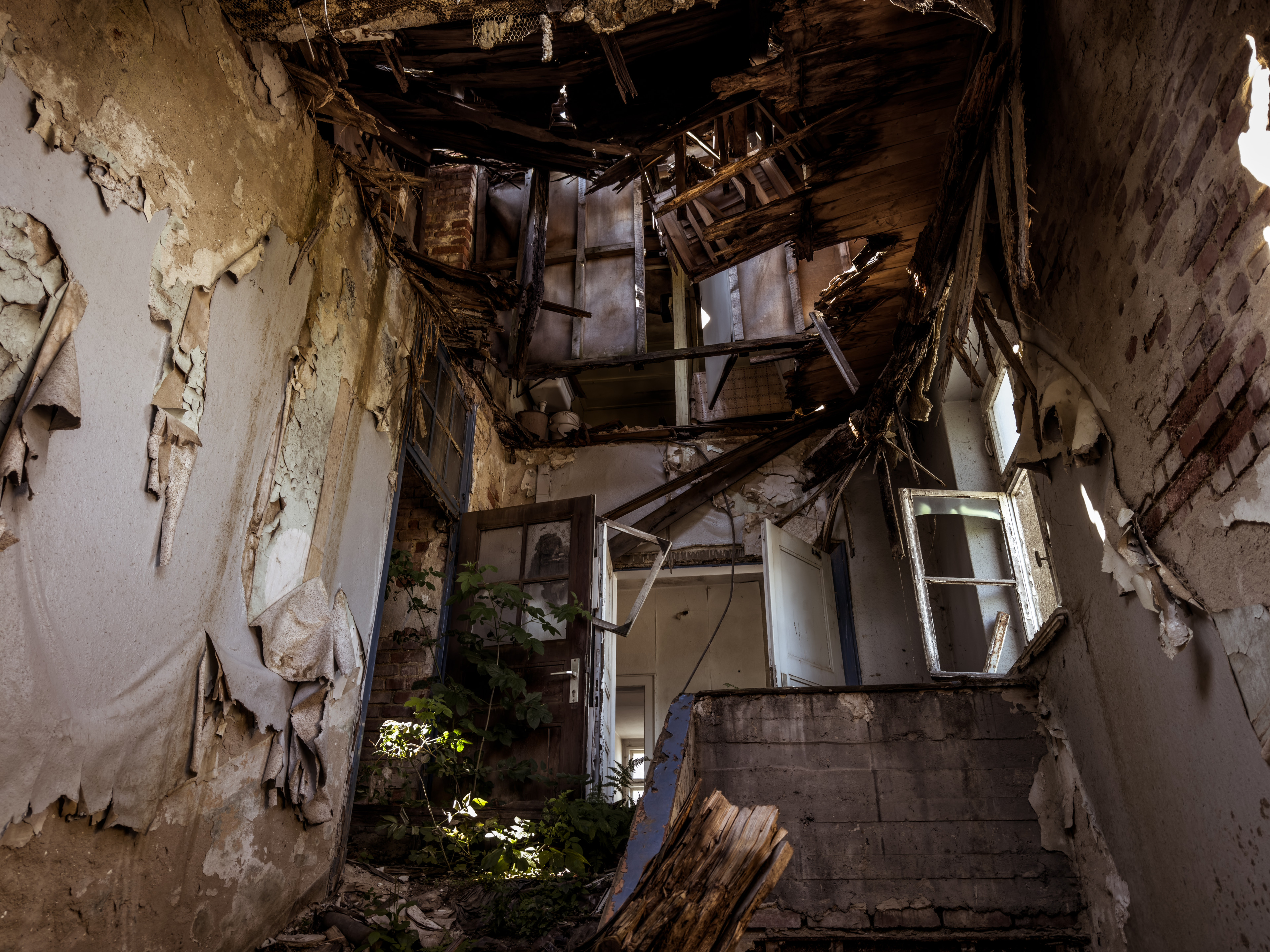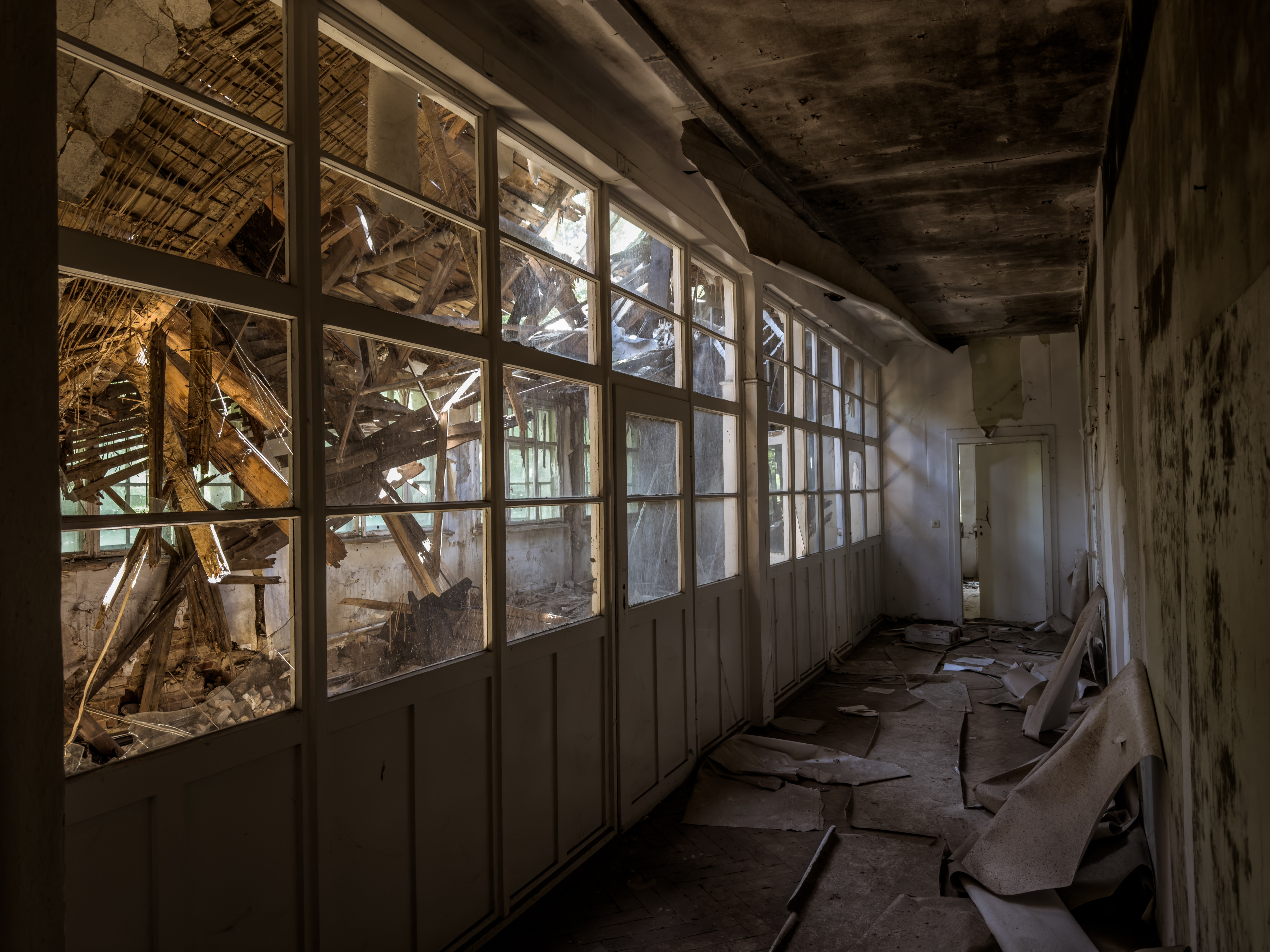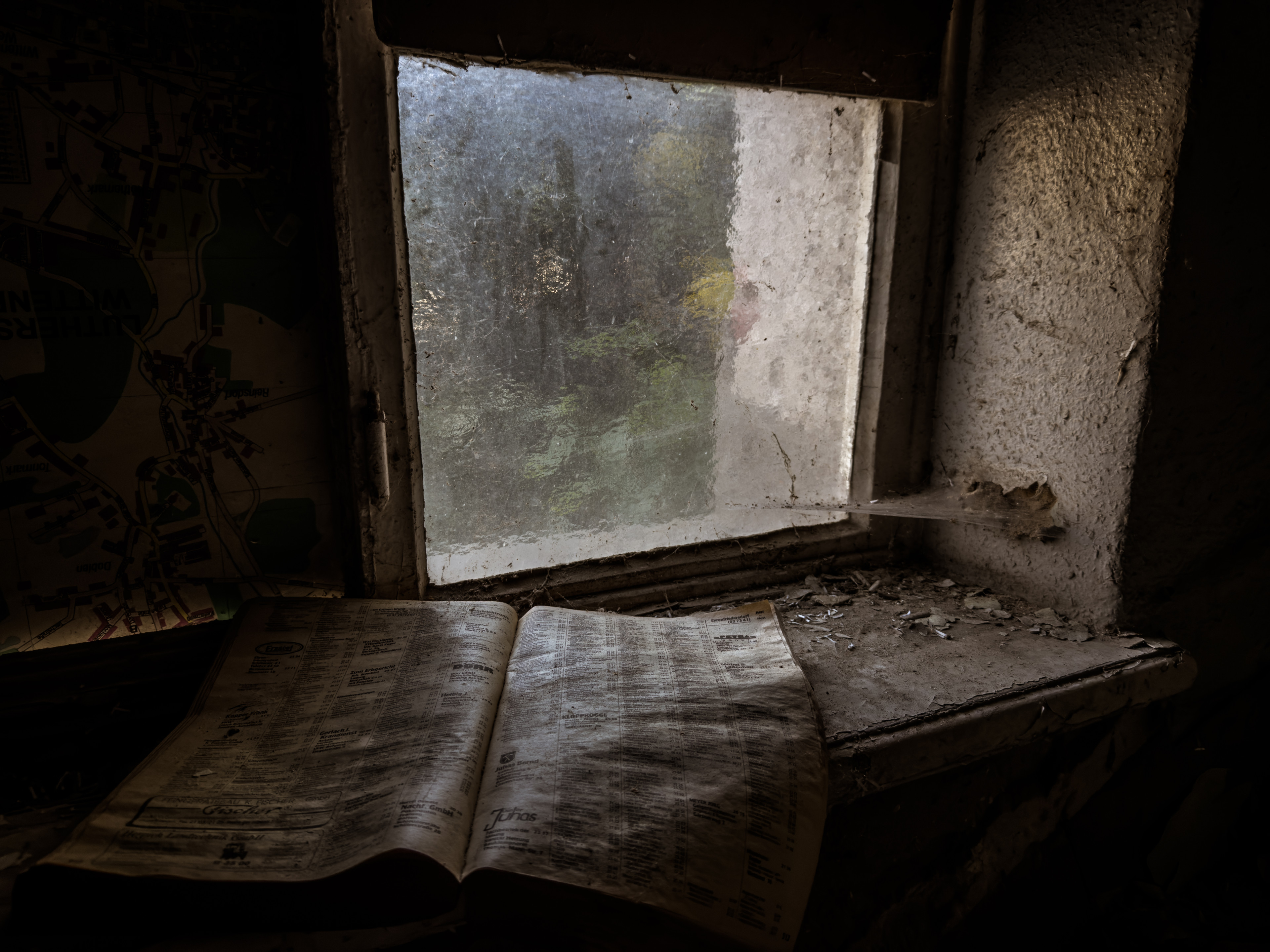
The history of the site began in 1888, when 31-year-old Gustav Adam Krautheim, originally from Bohemia, founded a small malleable iron foundry in Chemnitz with just five workers. The rapidly growing company moved to Altendorf in 1891, where Krautheim achieved a major technological breakthrough in 1896 with the construction of Germany’s first small Bessemer plant, enabling the industrial production of cast steel in Saxony.
Due to continued growth, the company acquired a larger site in Chemnitz-Borna. Construction of a modern steel and malleable iron foundry on Sandstraße began in October 1915. Equipped with Bessemer converters, Siemens-Martin furnaces, electric arc furnaces, and its own railway connection, the plant quickly became one of the largest foundries in eastern Germany. In 1922, the company was converted into Gustav Krautheim AG. Following Krautheim’s death in 1926, his descendants continued the business, which experienced major growth during the 1930s as production increasingly shifted toward armaments. During the Second World War, the factory produced war-related components and was heavily damaged during the Allied bombing of Chemnitz in 1945.
After the war, the factory was expropriated and initially operated under Soviet administration as part of SAG Marten. With the establishment of the GDR, it became the VEB Stahlgießerei Karl-Marx-Stadt in 1954. In 1963, it was renamed VEB Gießerei „Rudolf Harlaß“ Karl-Marx-Stadt and subsequently became an important supplier to the East German machinery industry. The company underwent several reorganizations and was at times part of the VEB Kombinat Stahlguss.
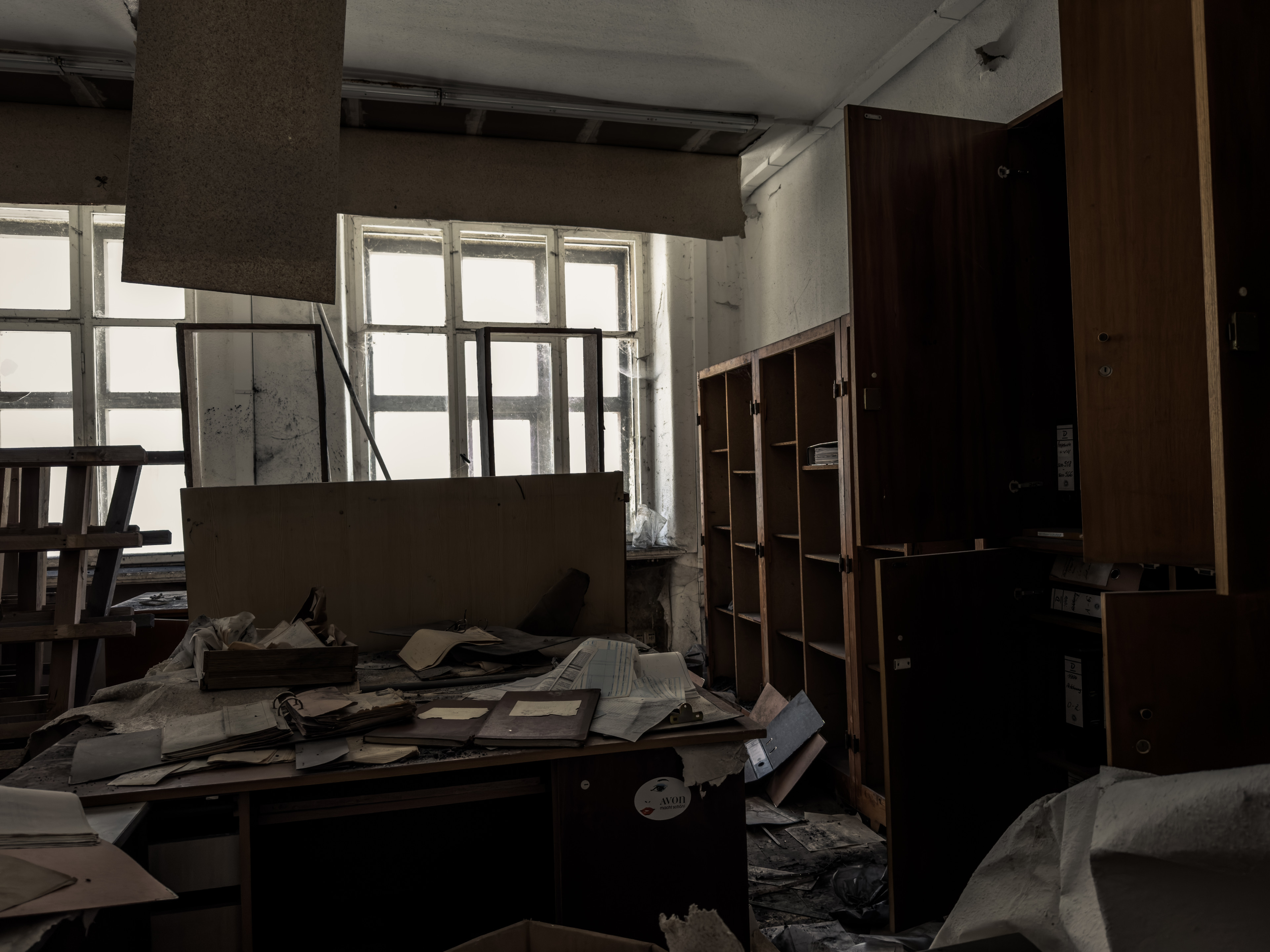
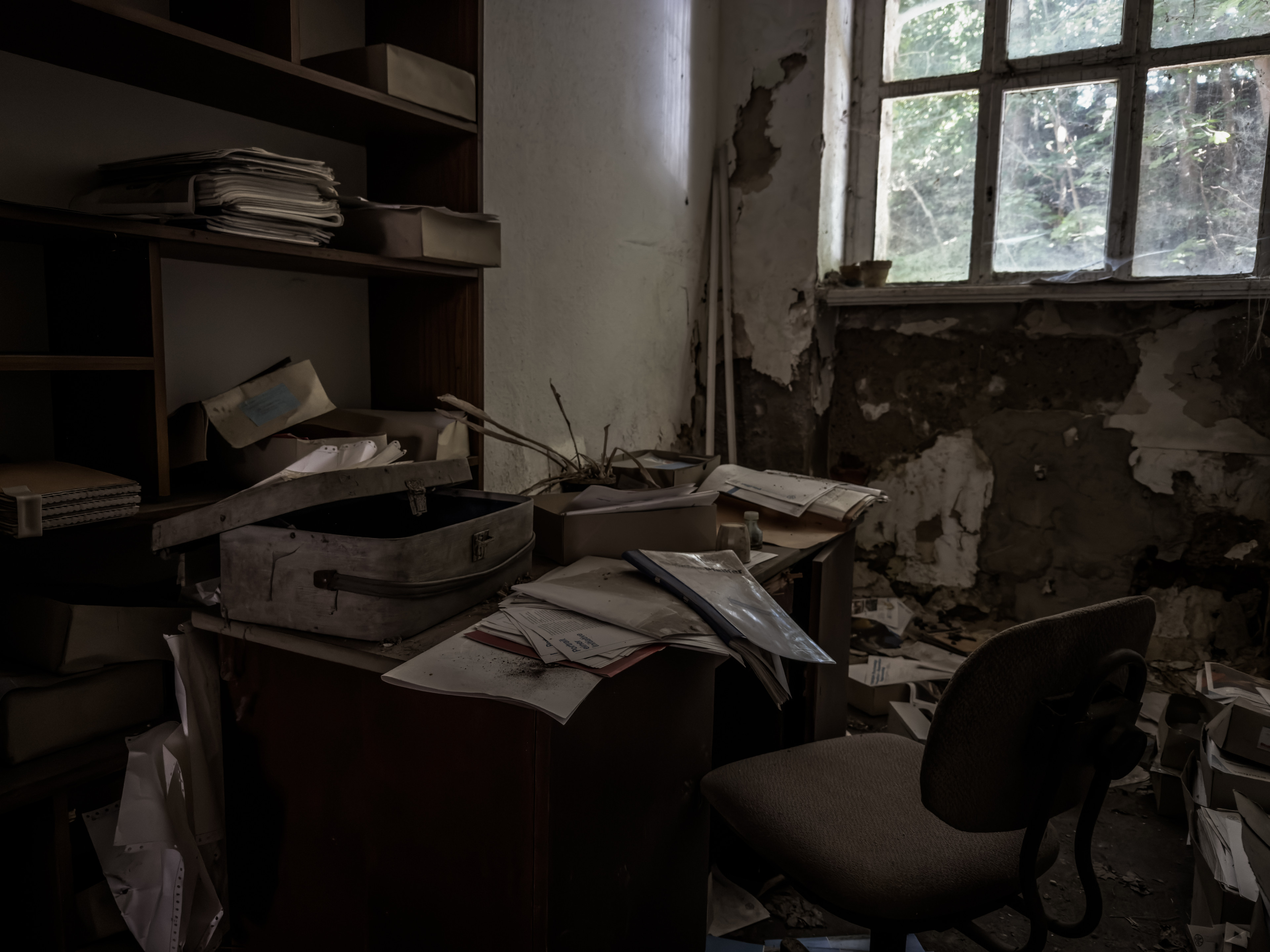
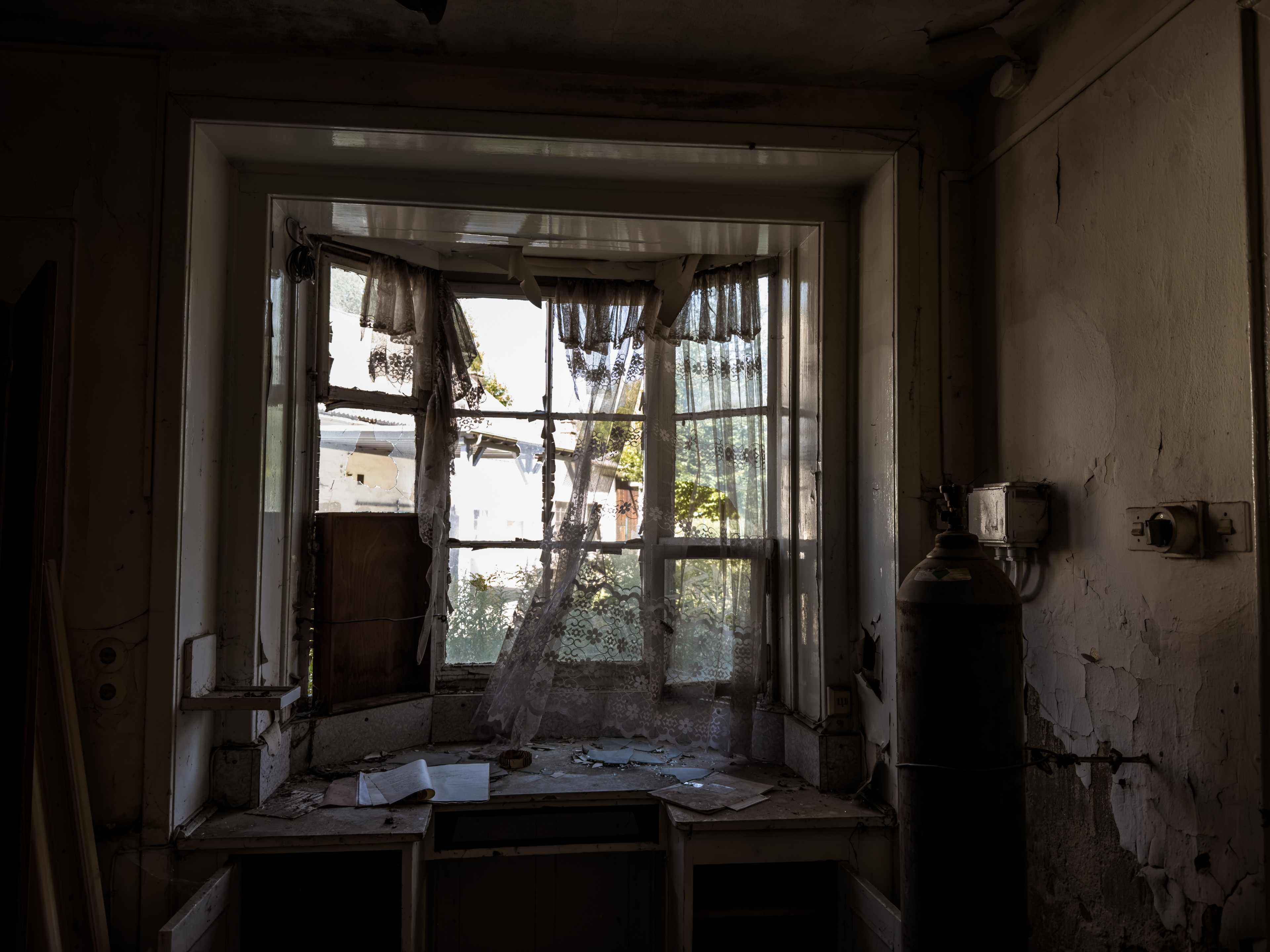
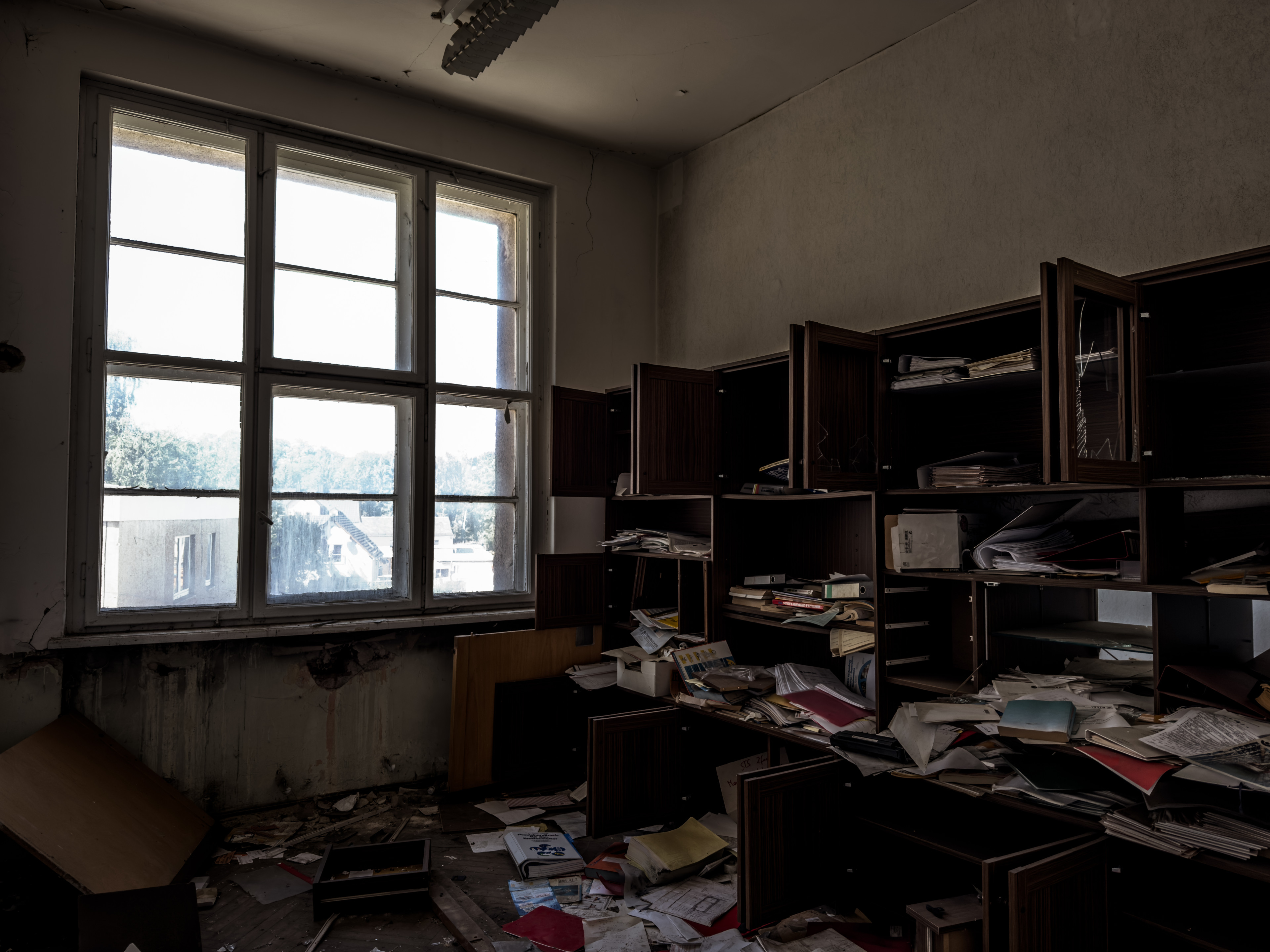
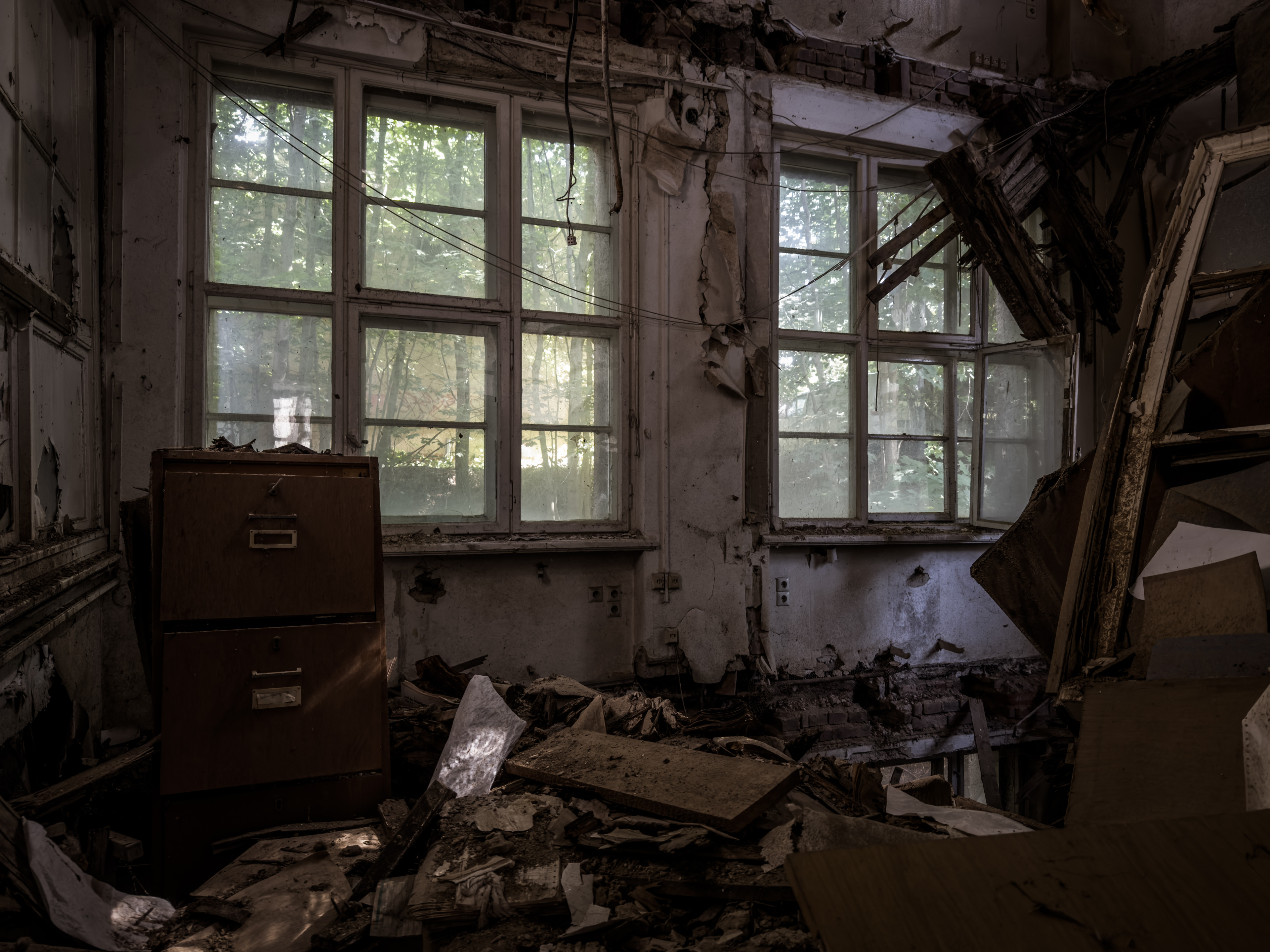
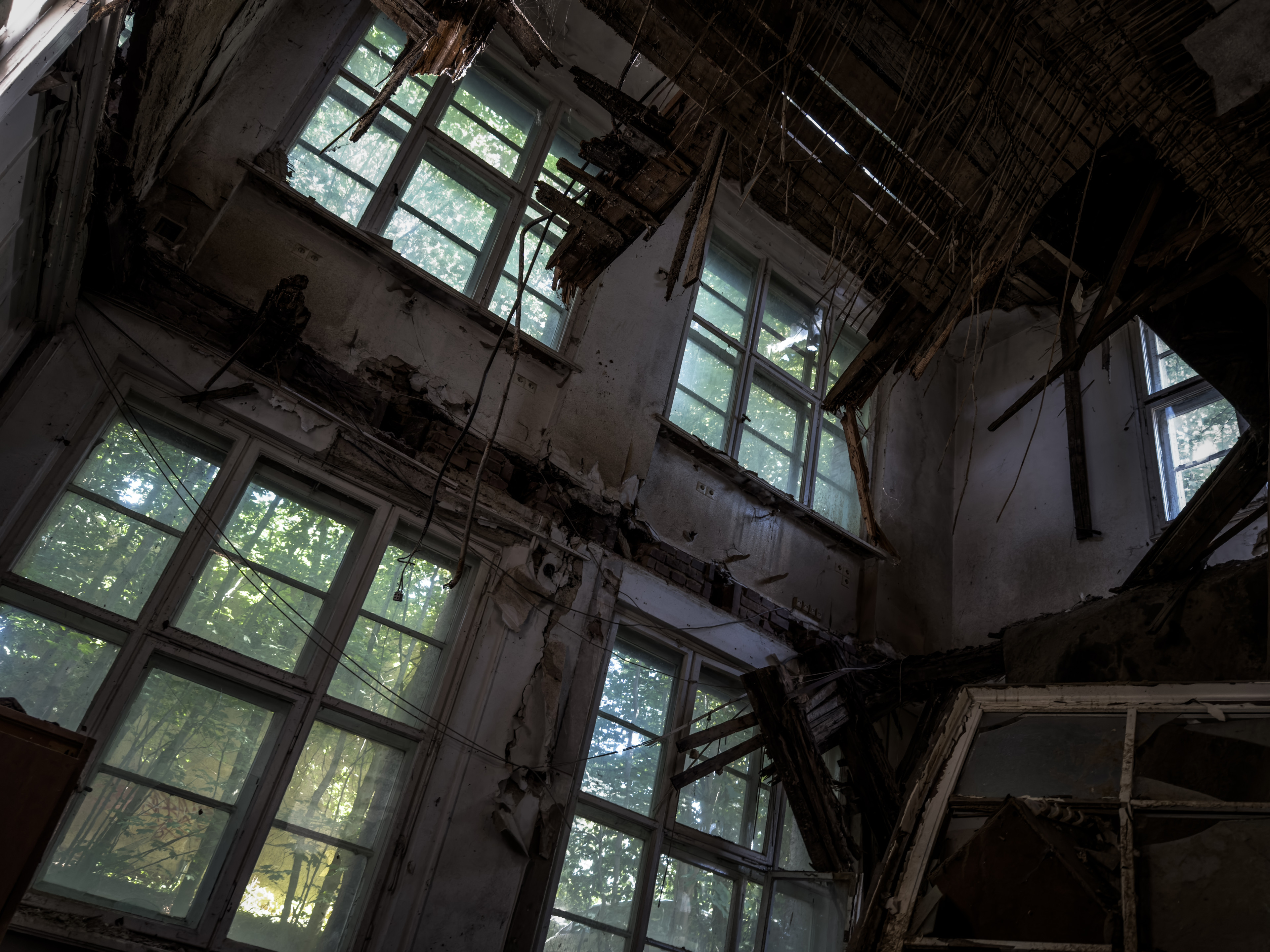
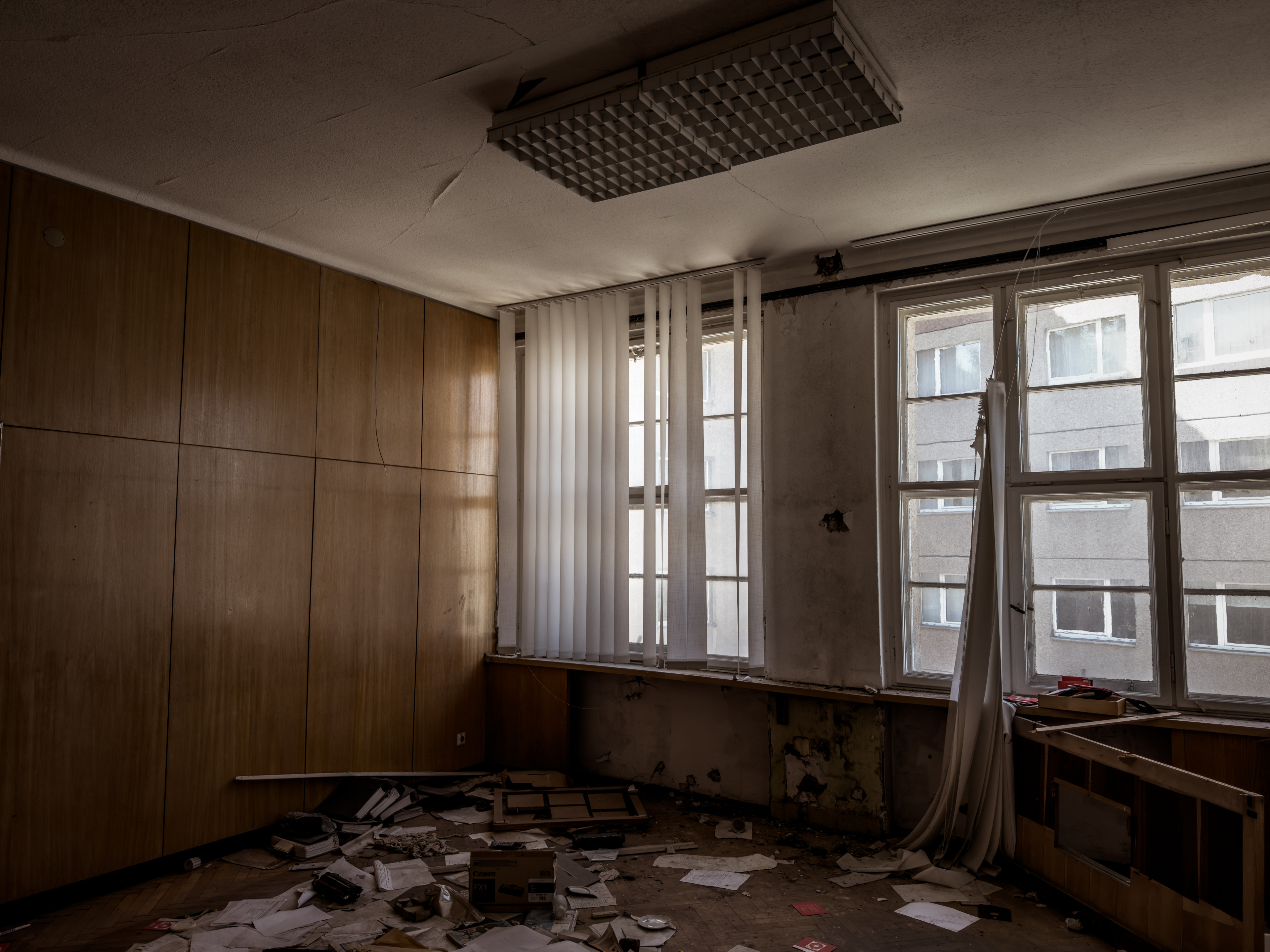
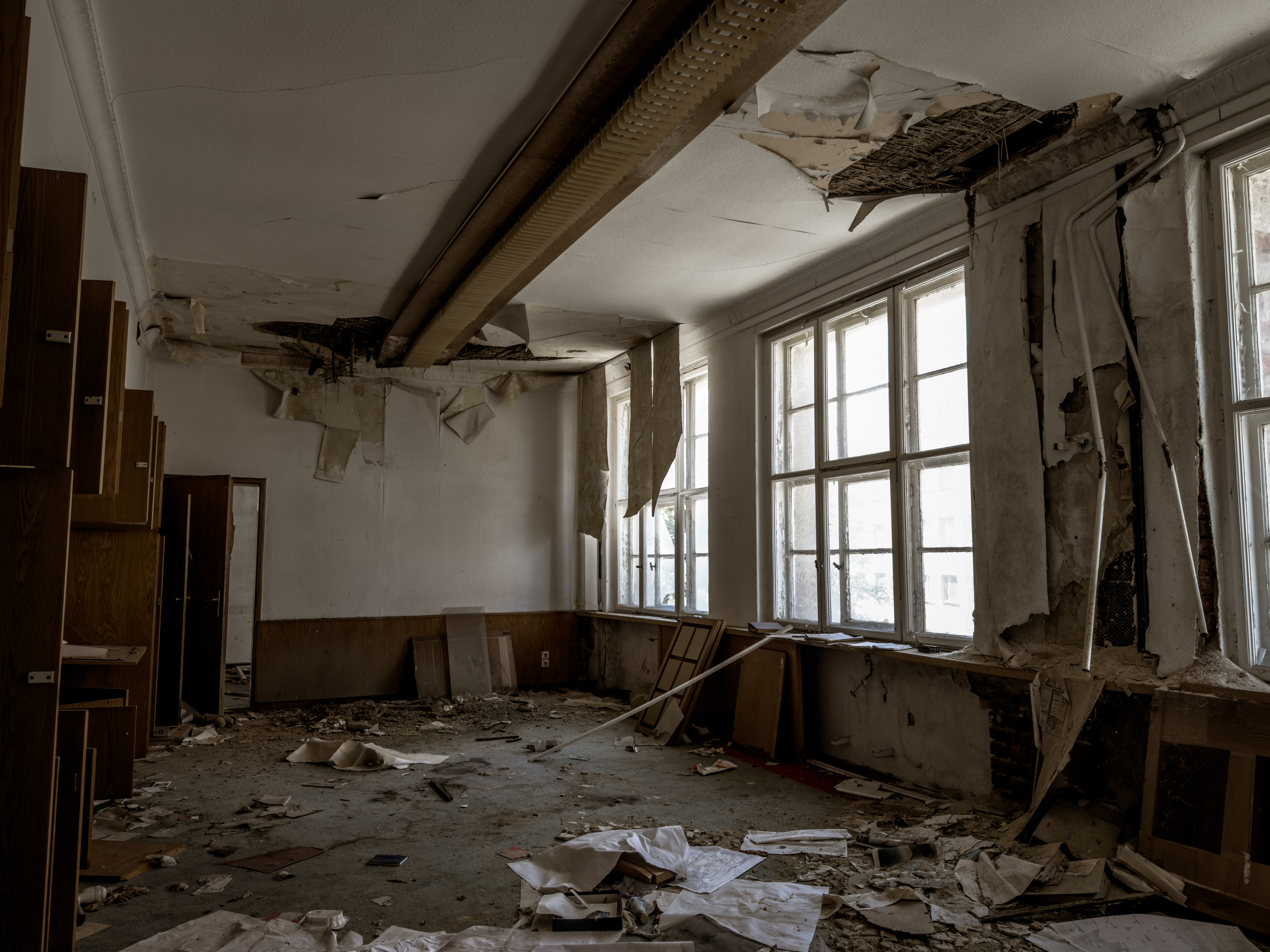
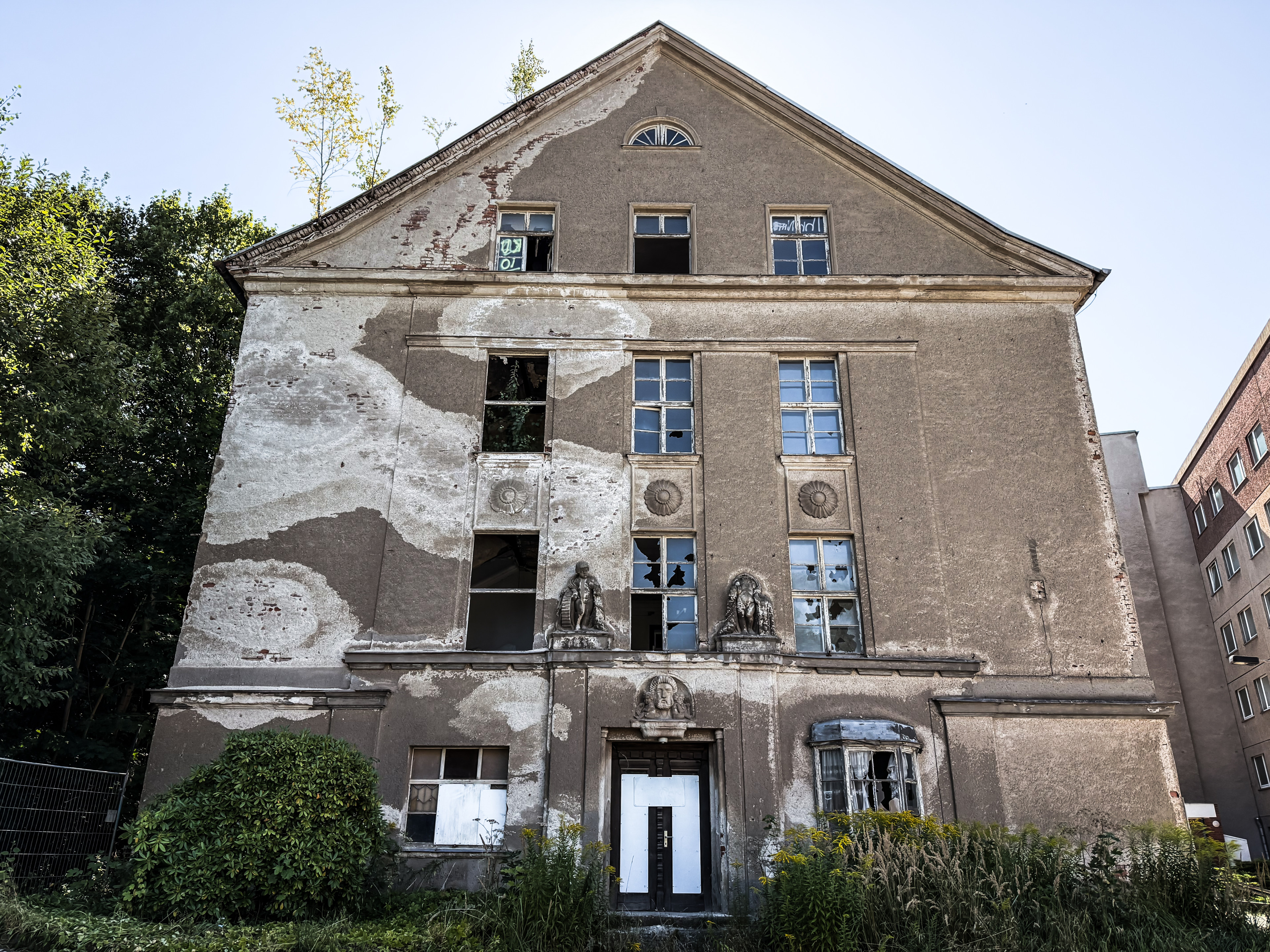
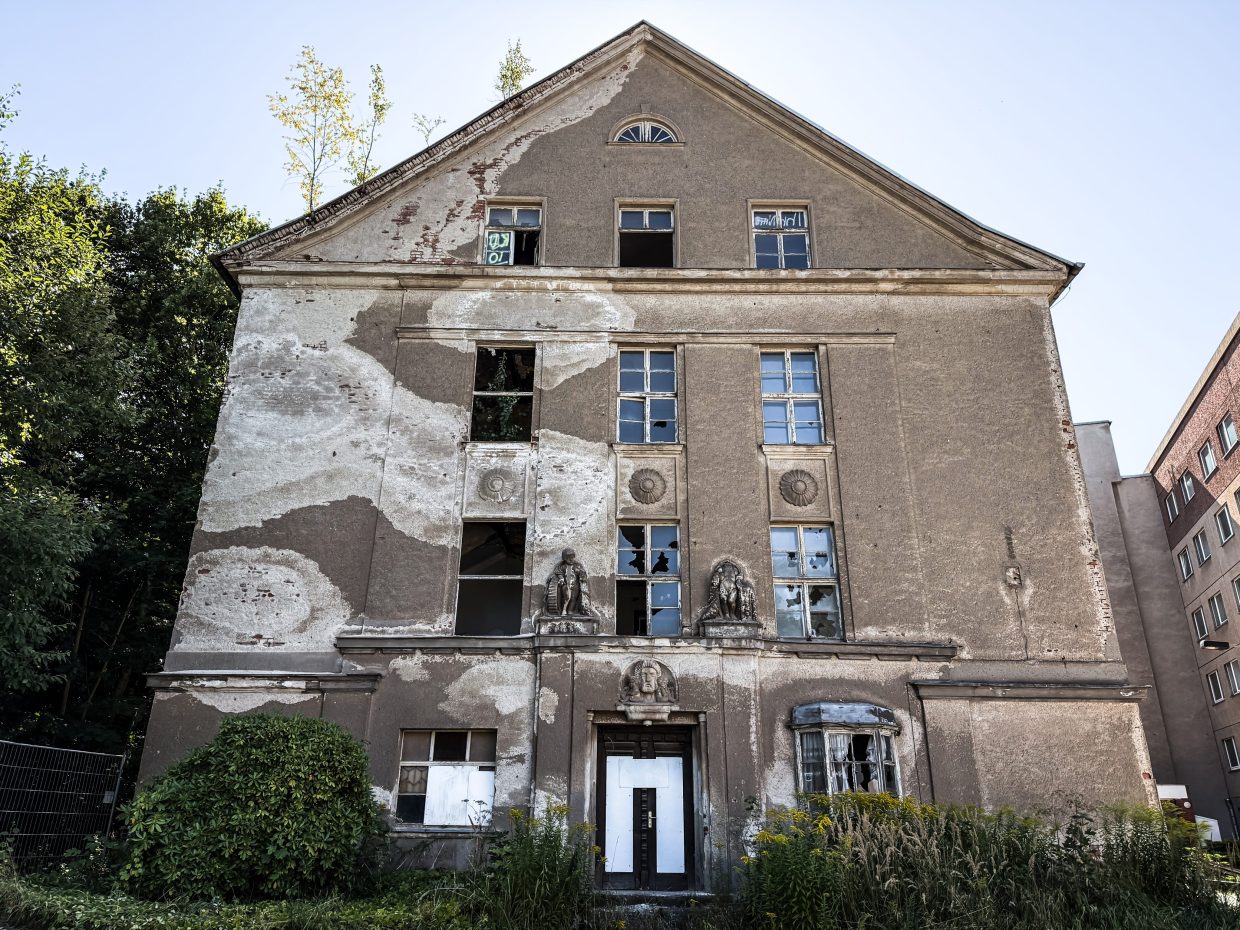
After the German reunification, the factory was converted into Eisen- und Stahlgießerei Chemnitz GmbH in 1990. While some parts of the former company, including the historic model-making division, were successfully privatized, the large foundry on Sandstraße was eventually shut down and production relocated to modern facilities. Much of the historic industrial complex was demolished or fell into disrepair. Today, only a few historic buildings remain as reminders of the former steel-foundry, like the former office building seen in the pictures below. Other parts of the site are used by various small and medium-sized businesses and waste-management companies.