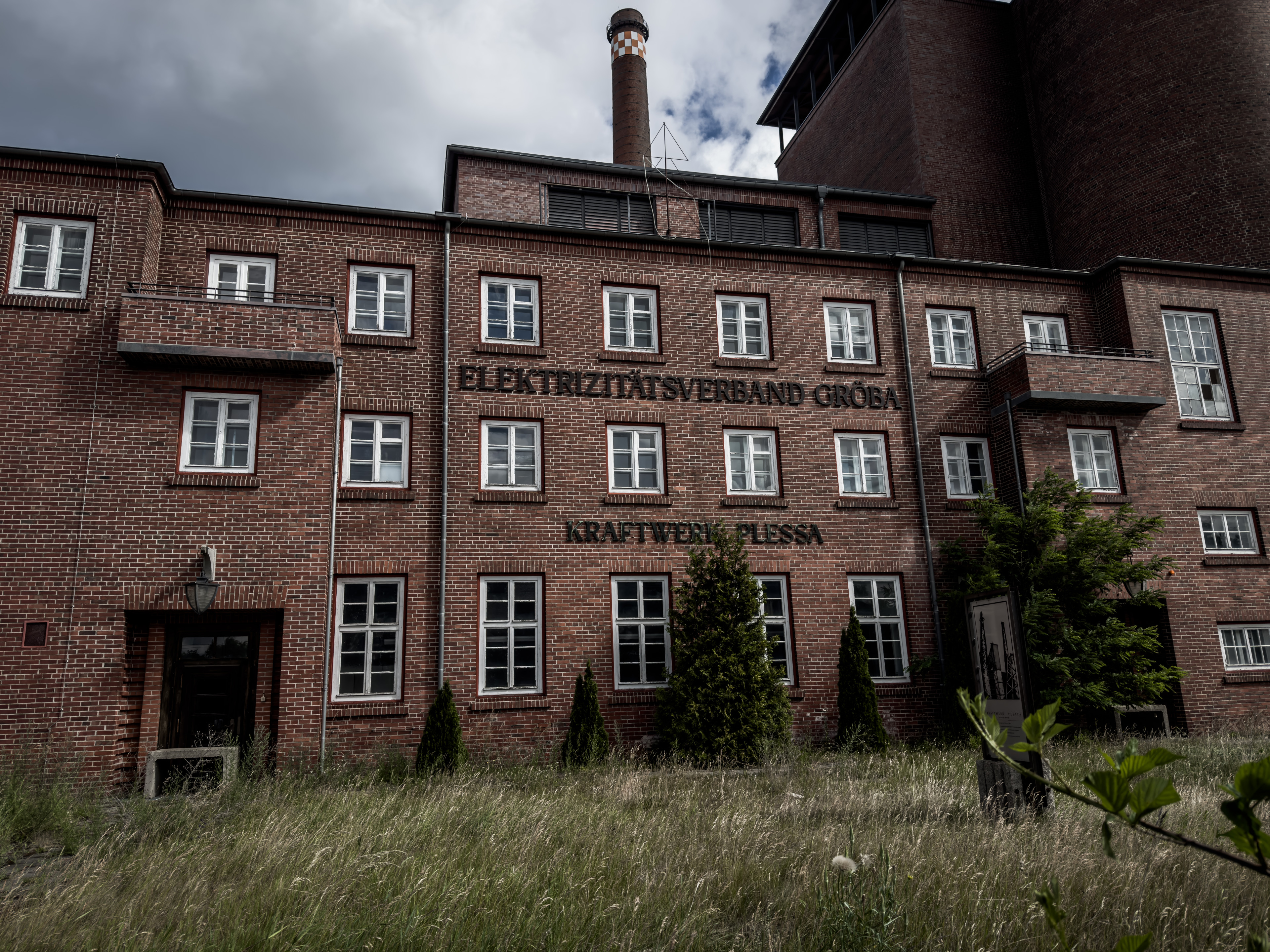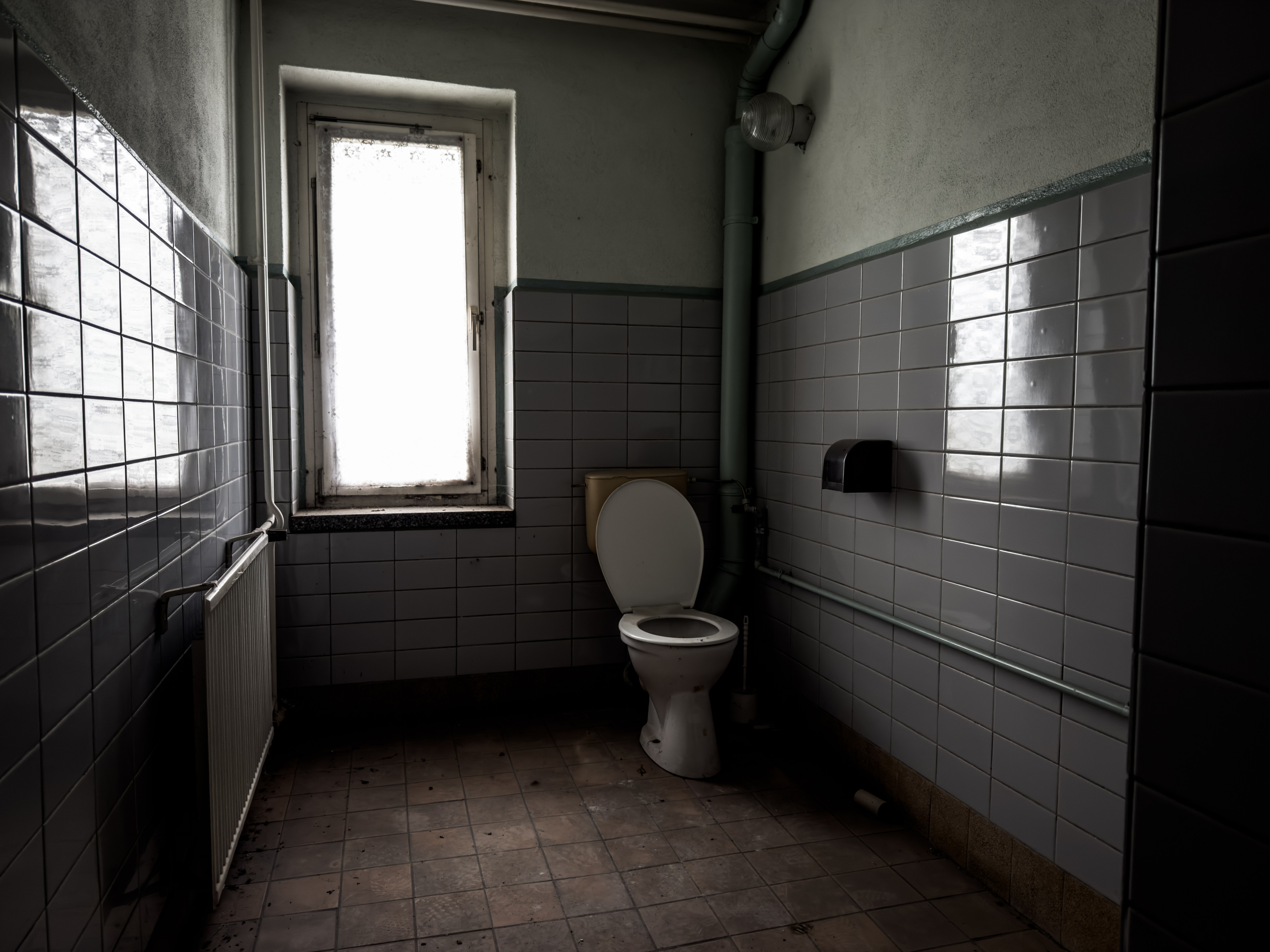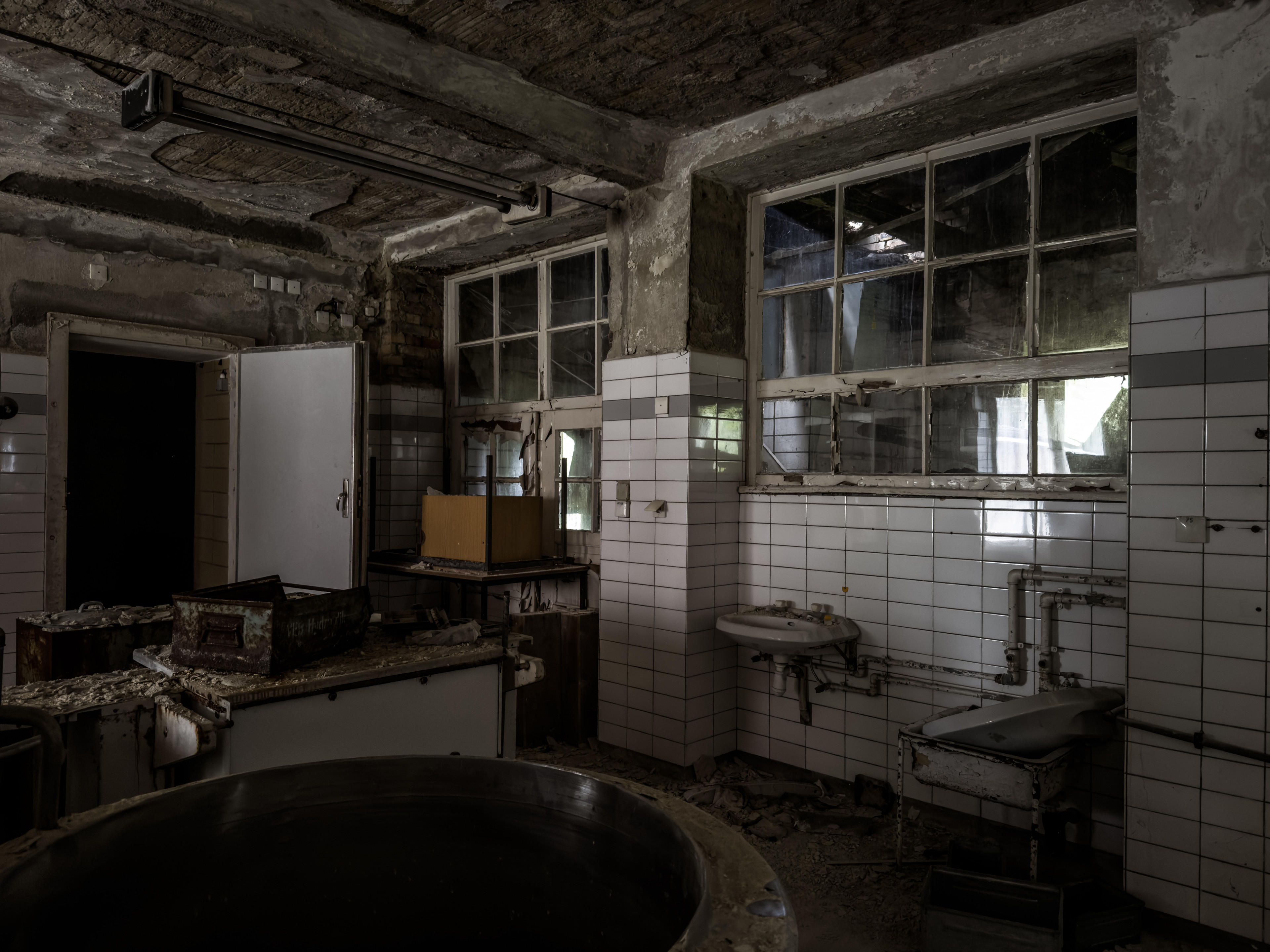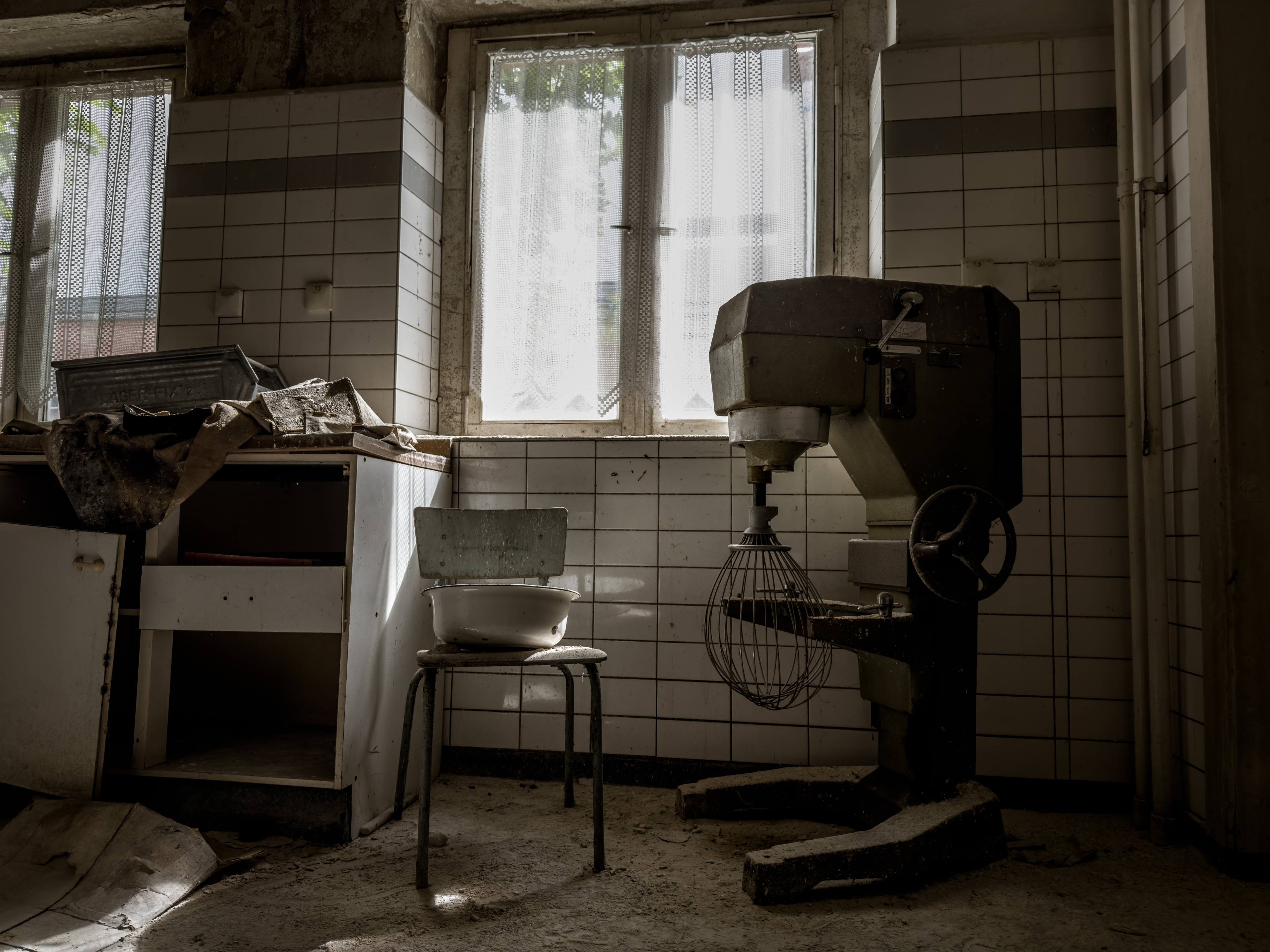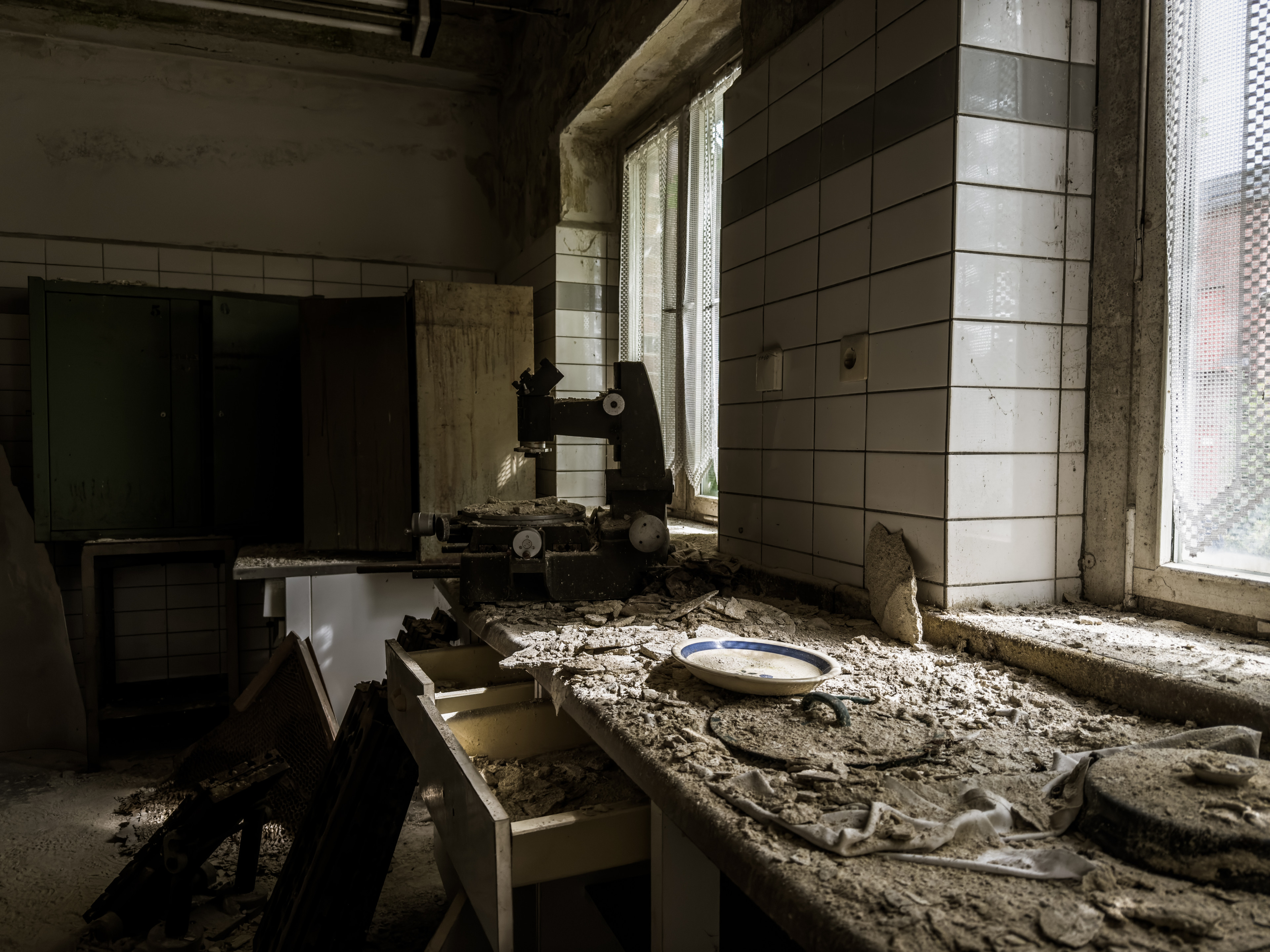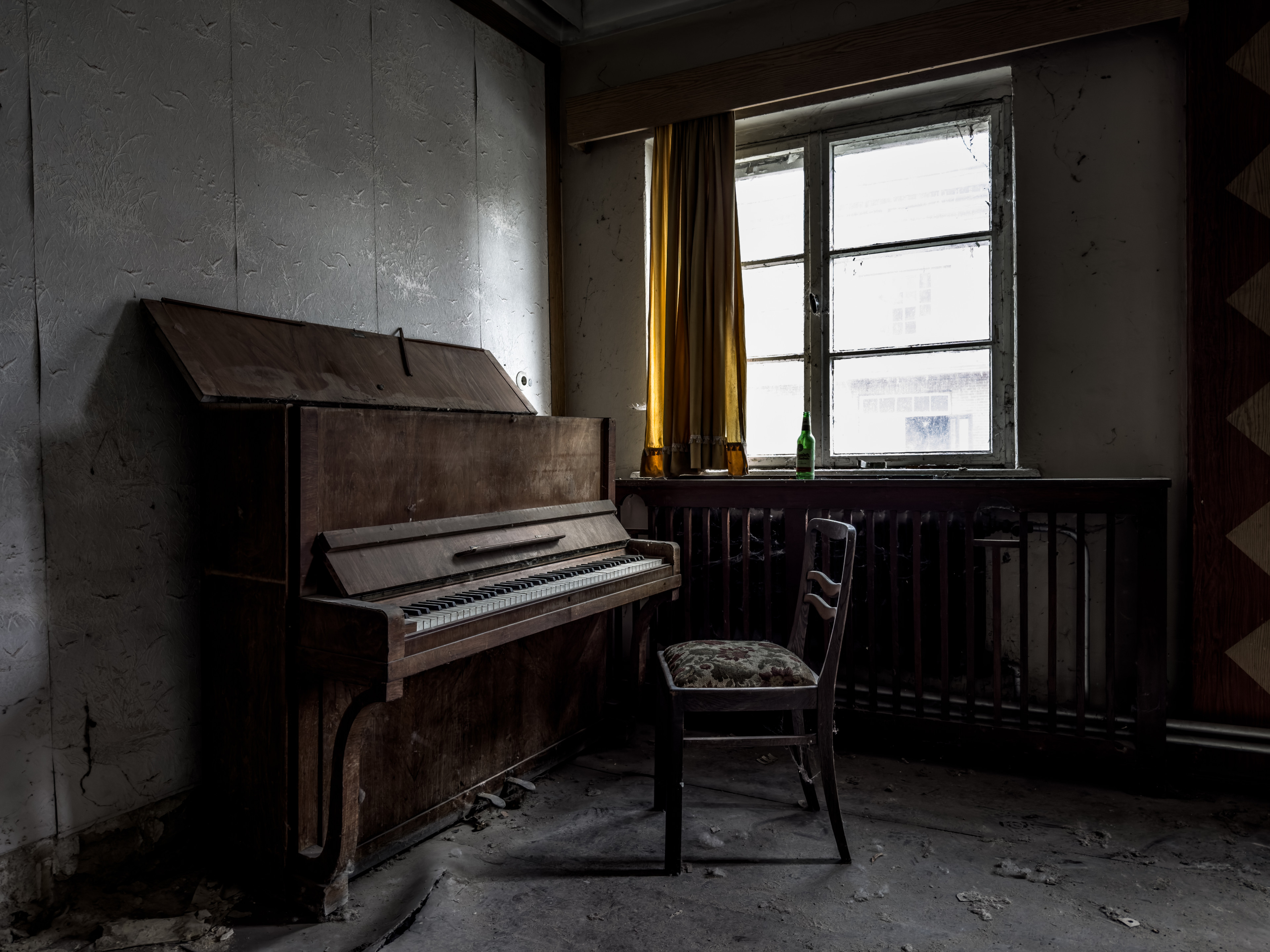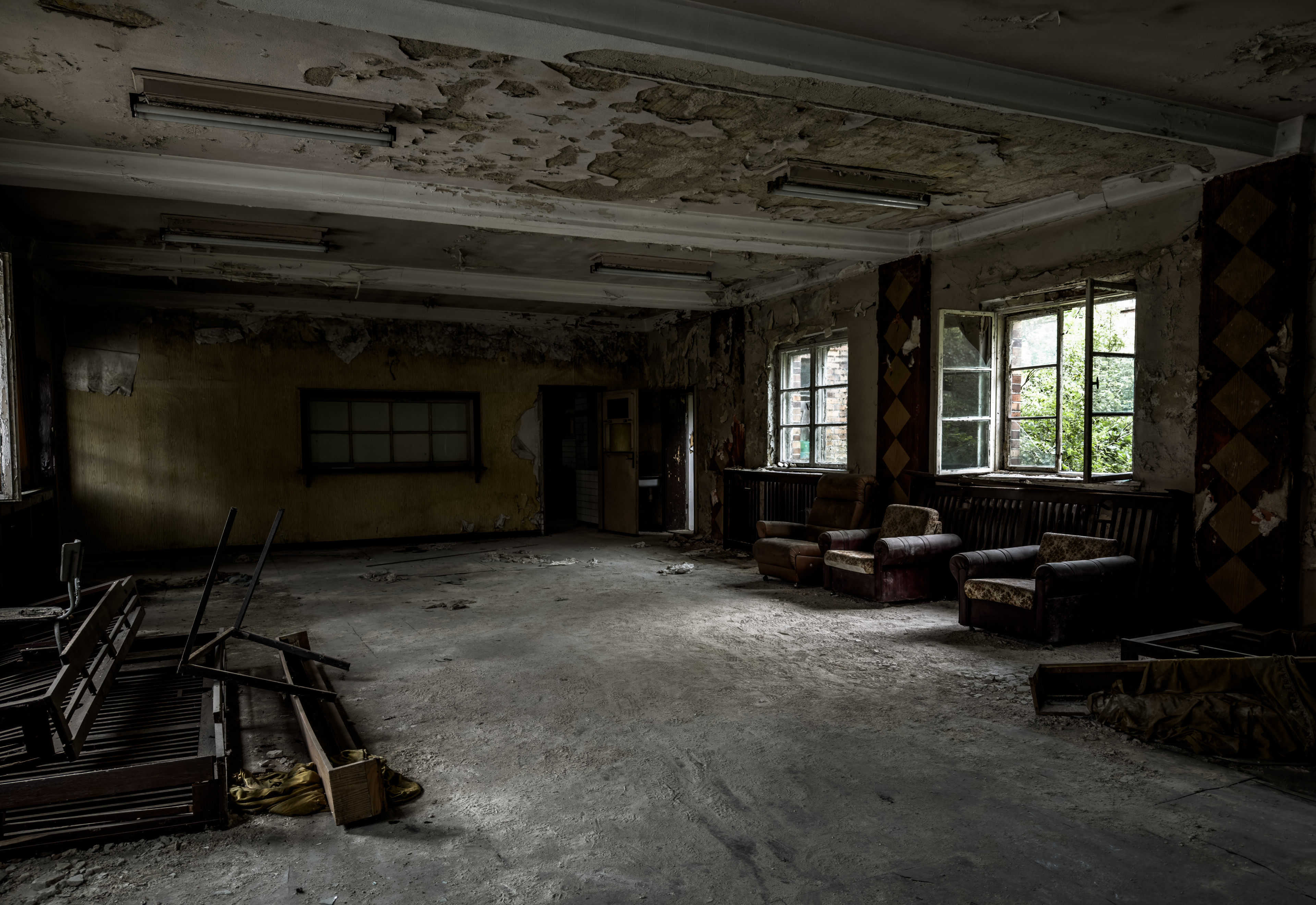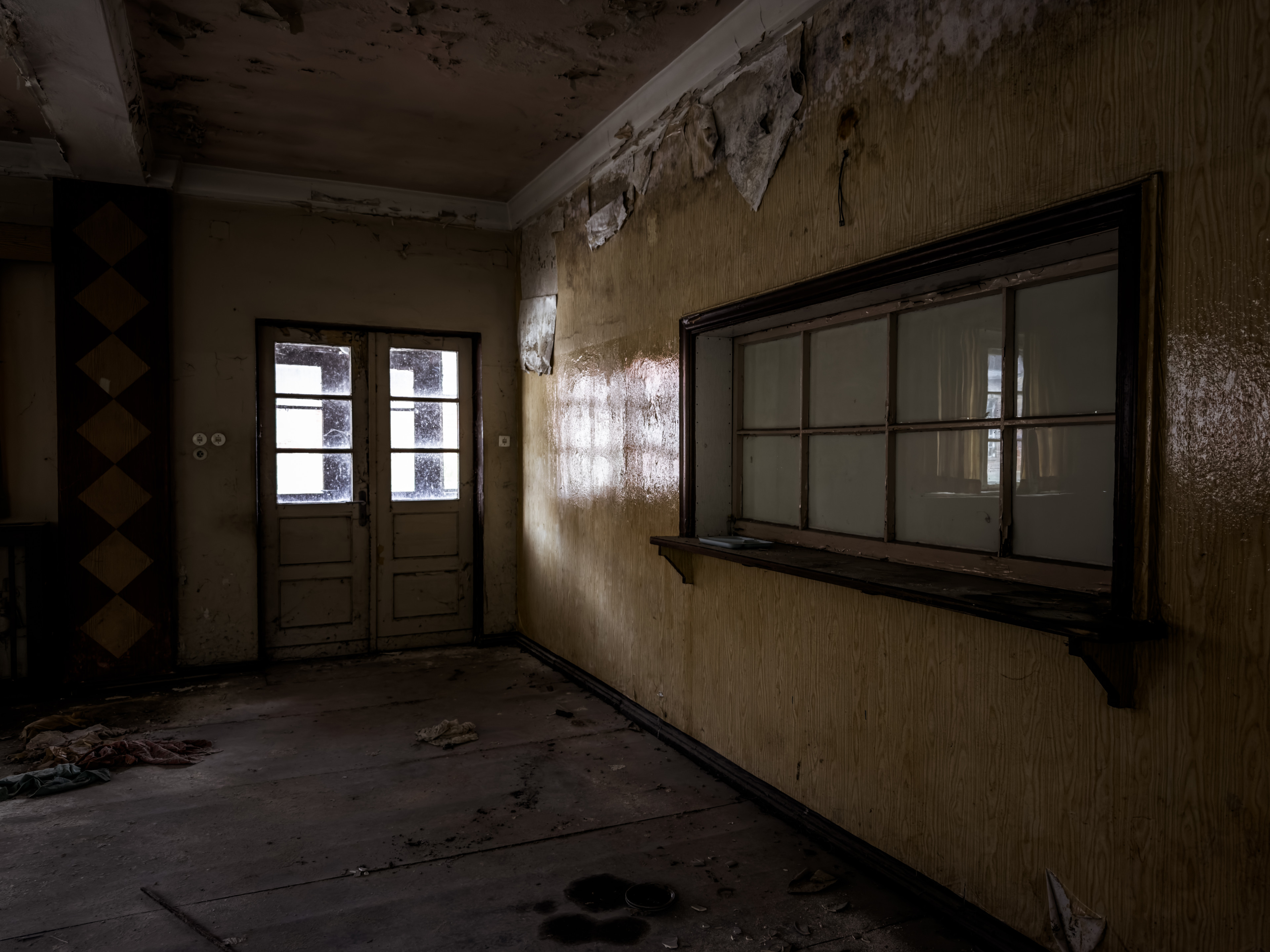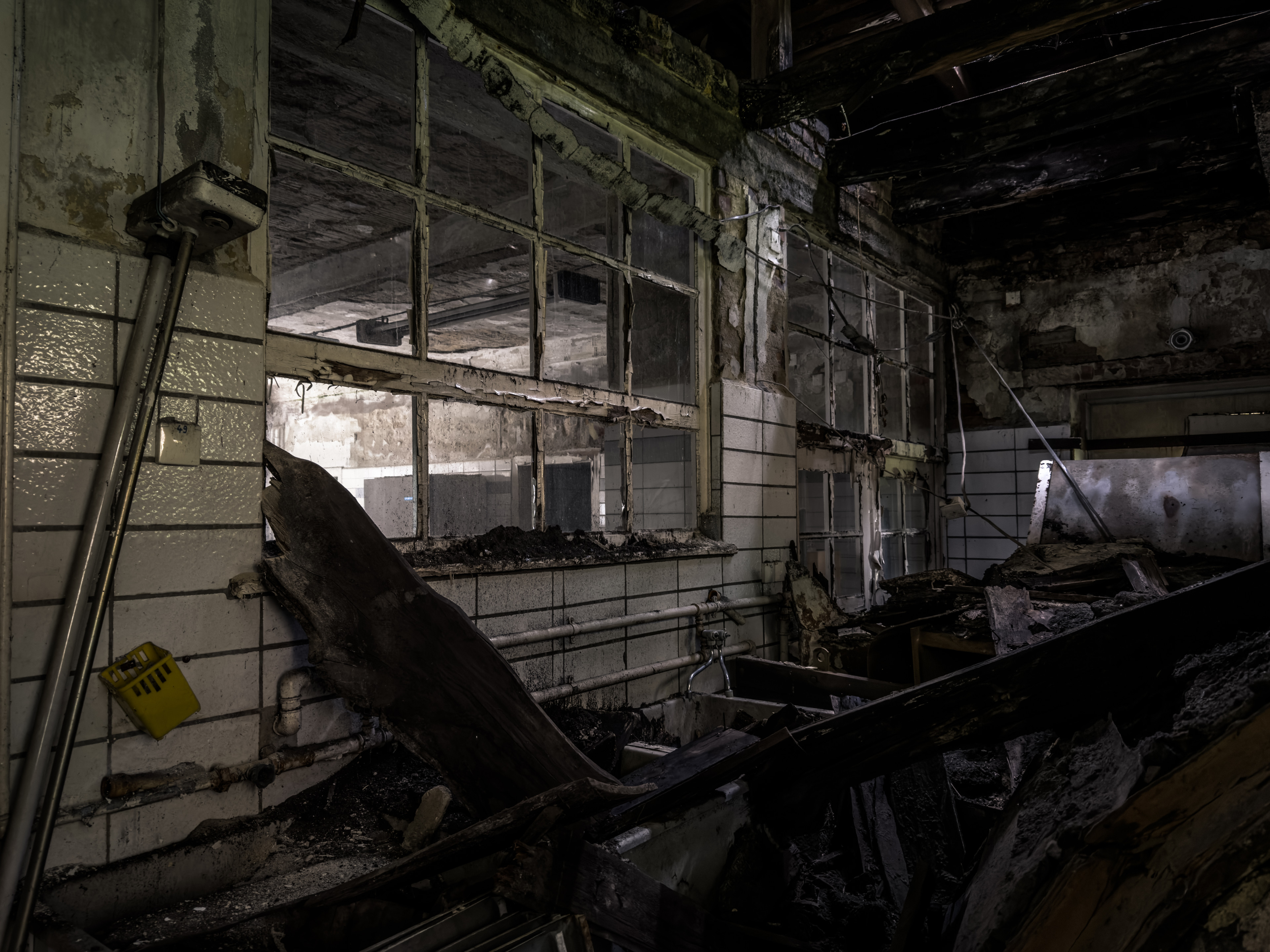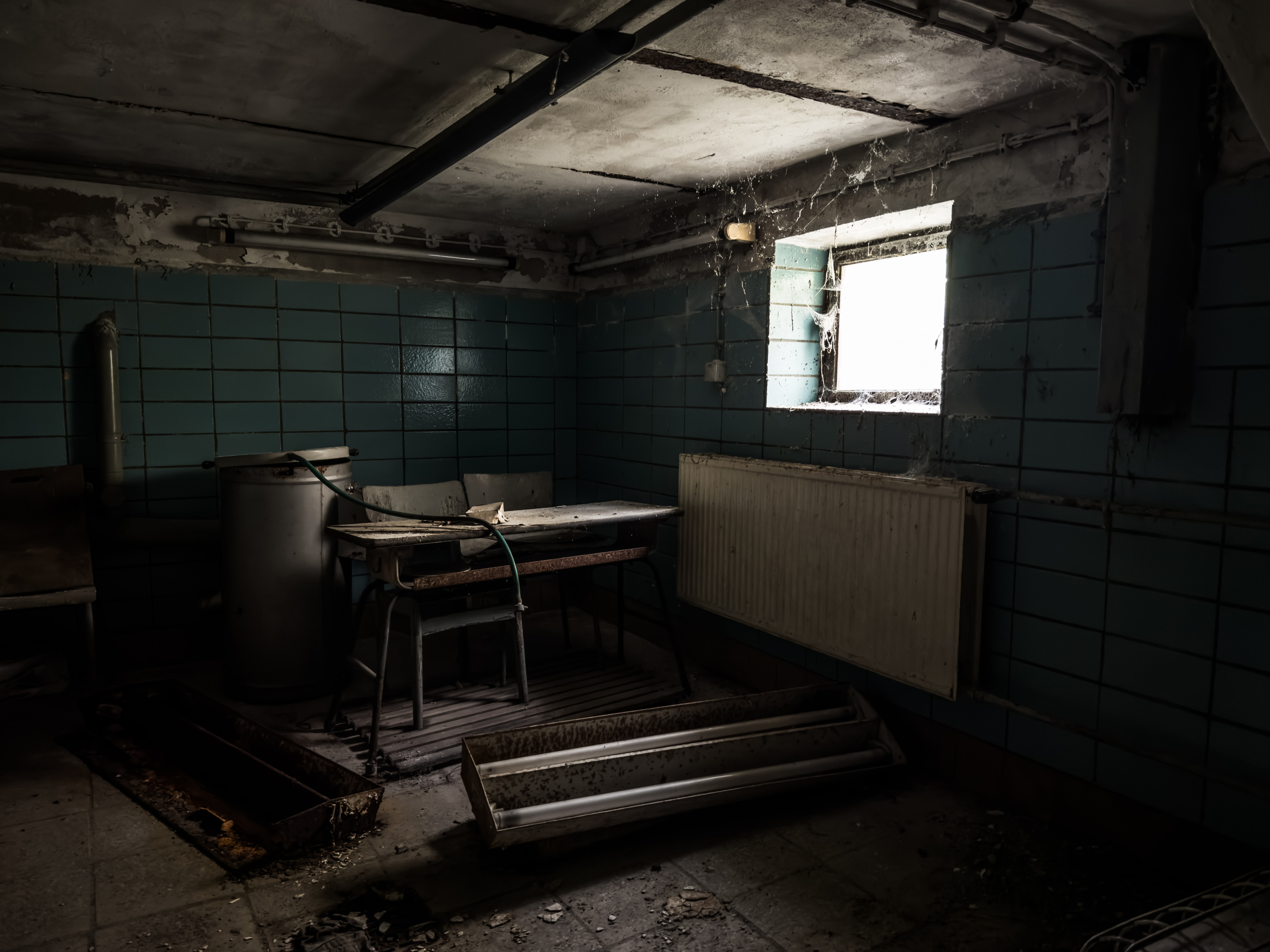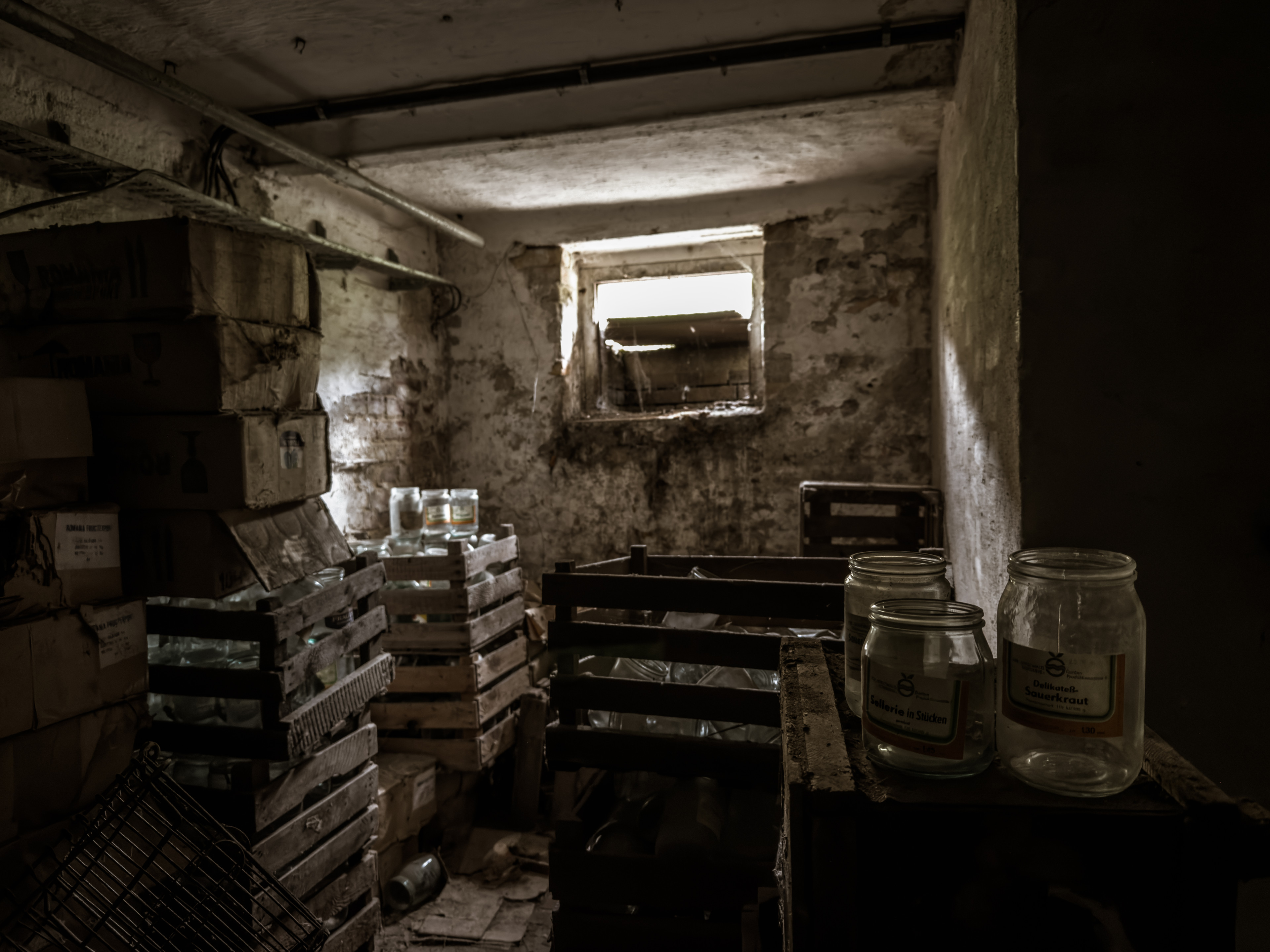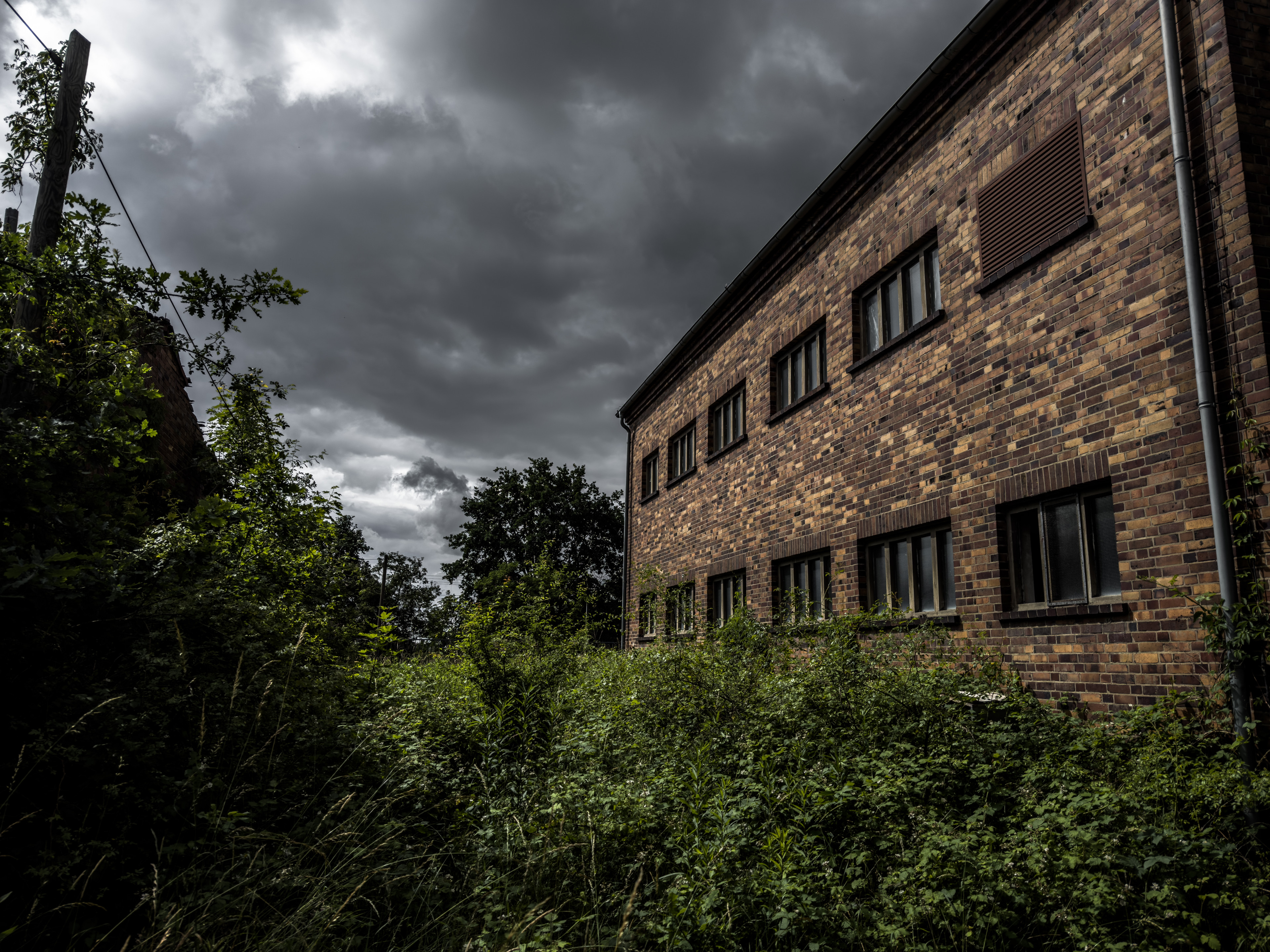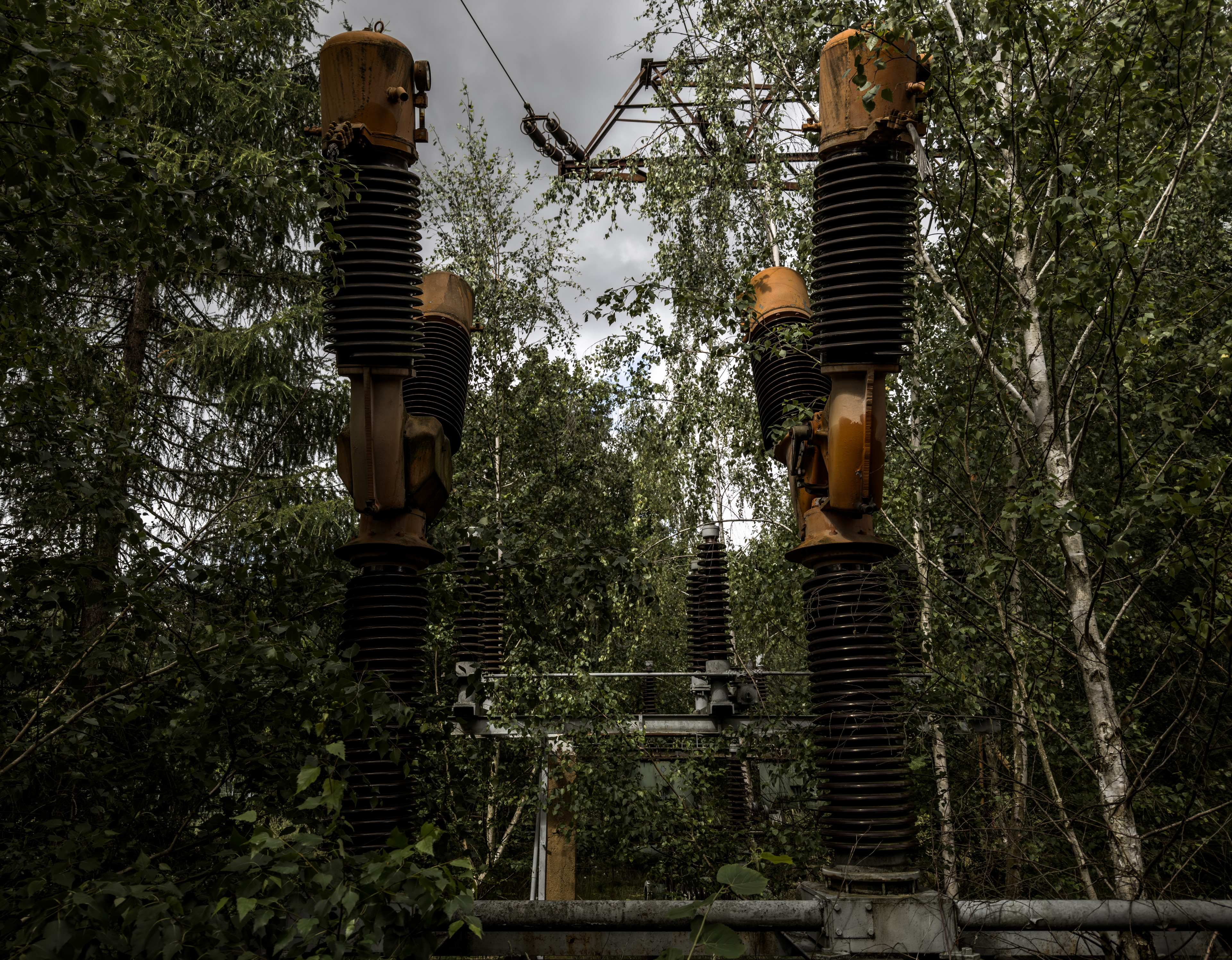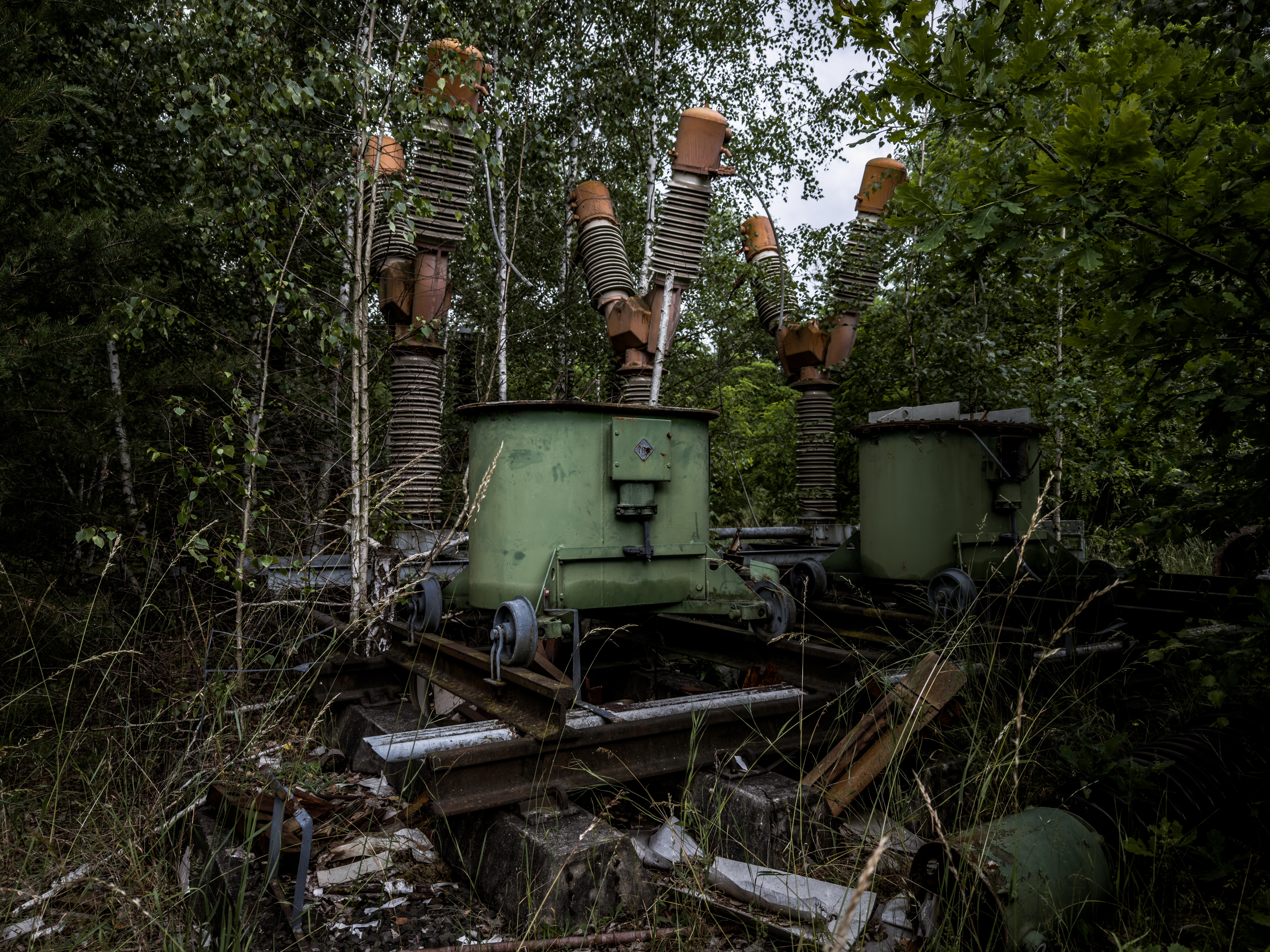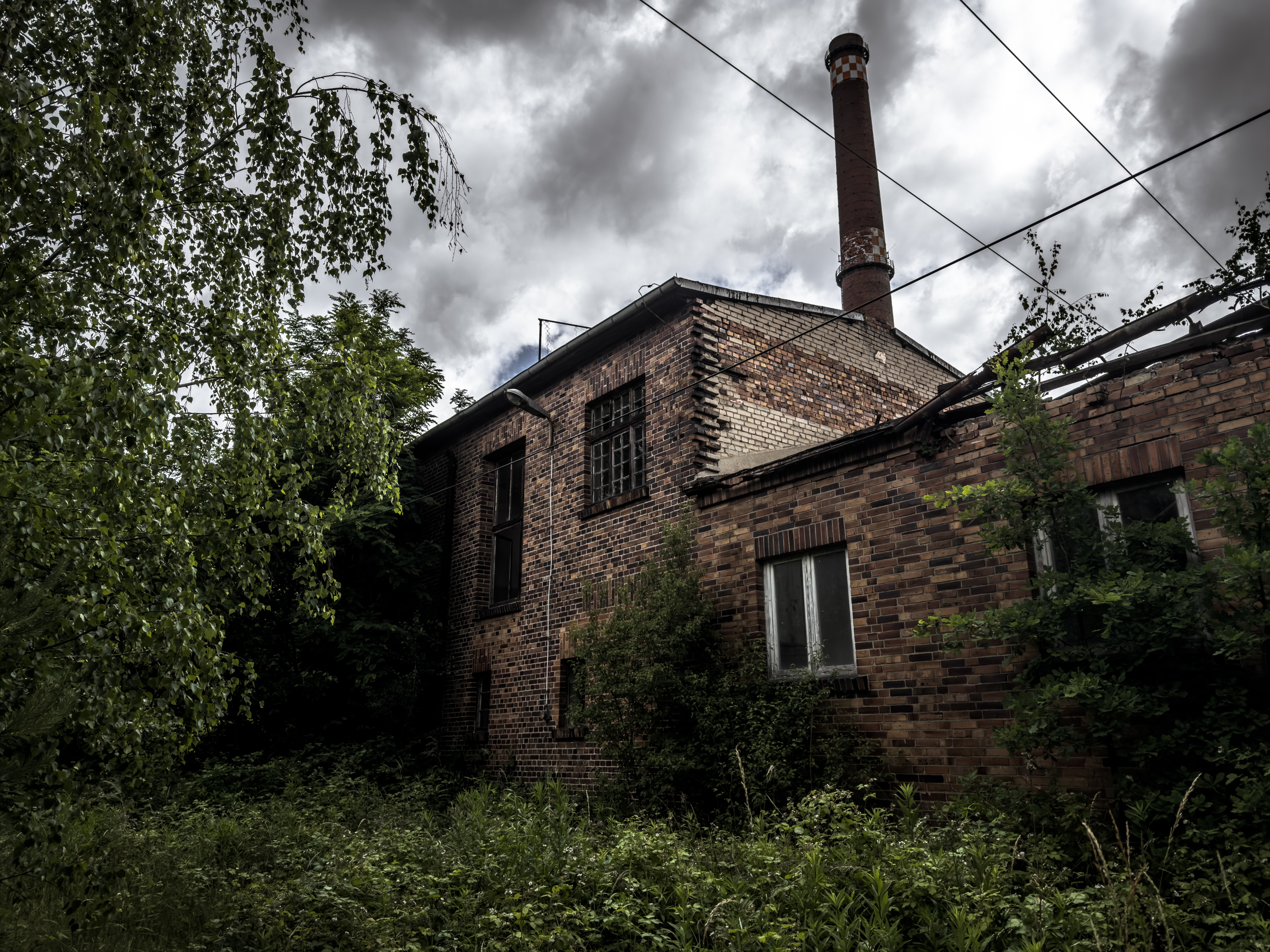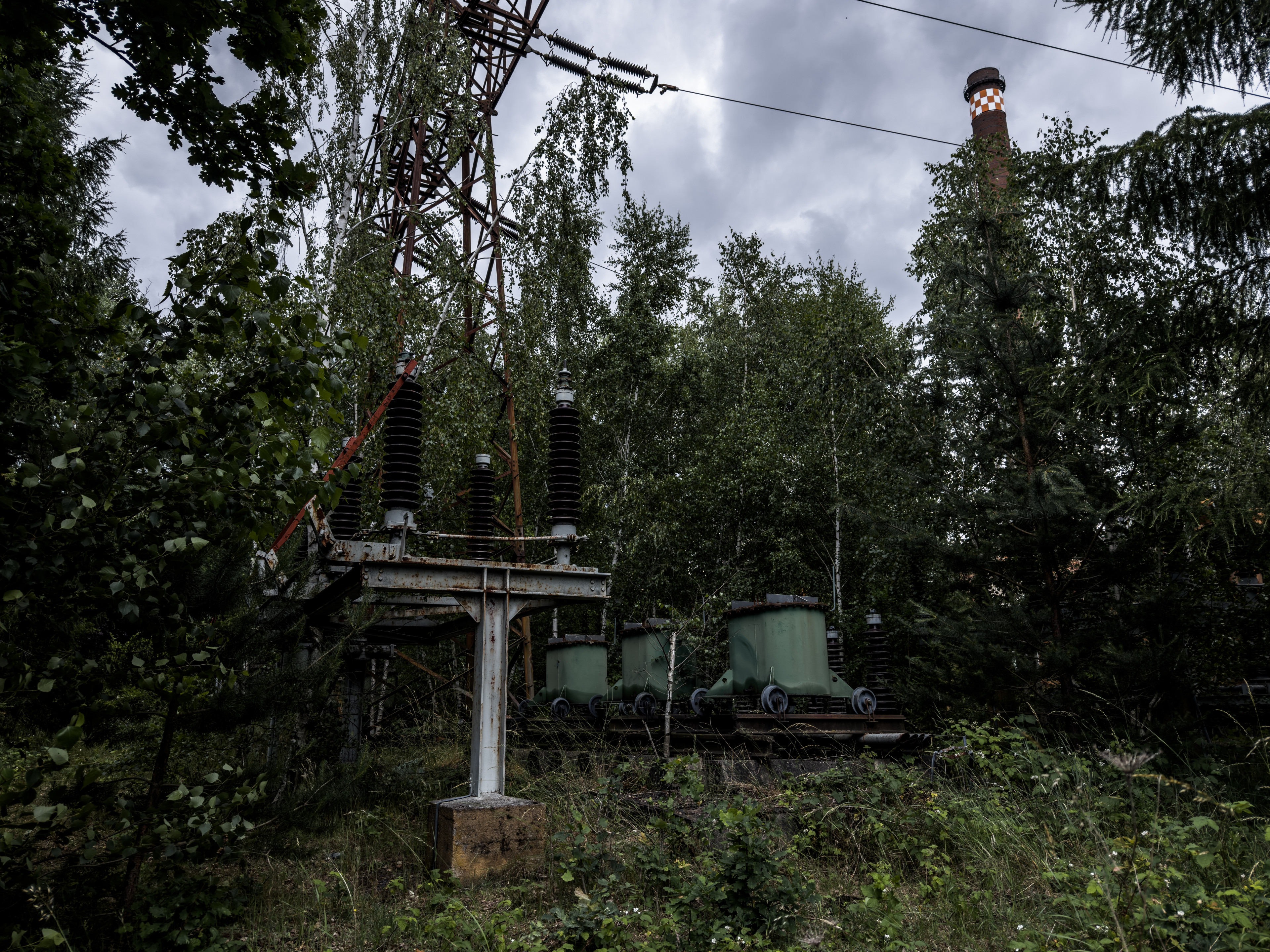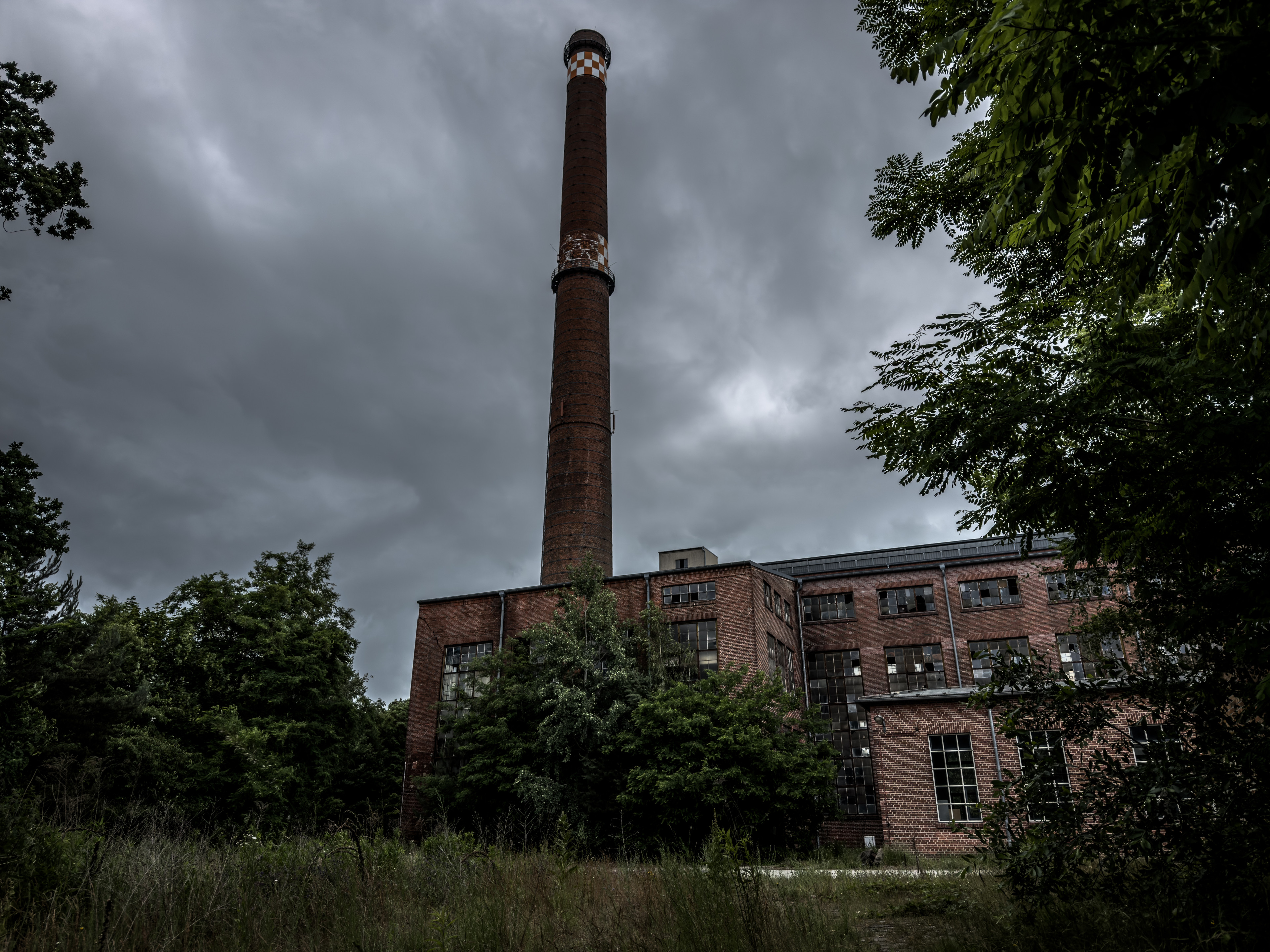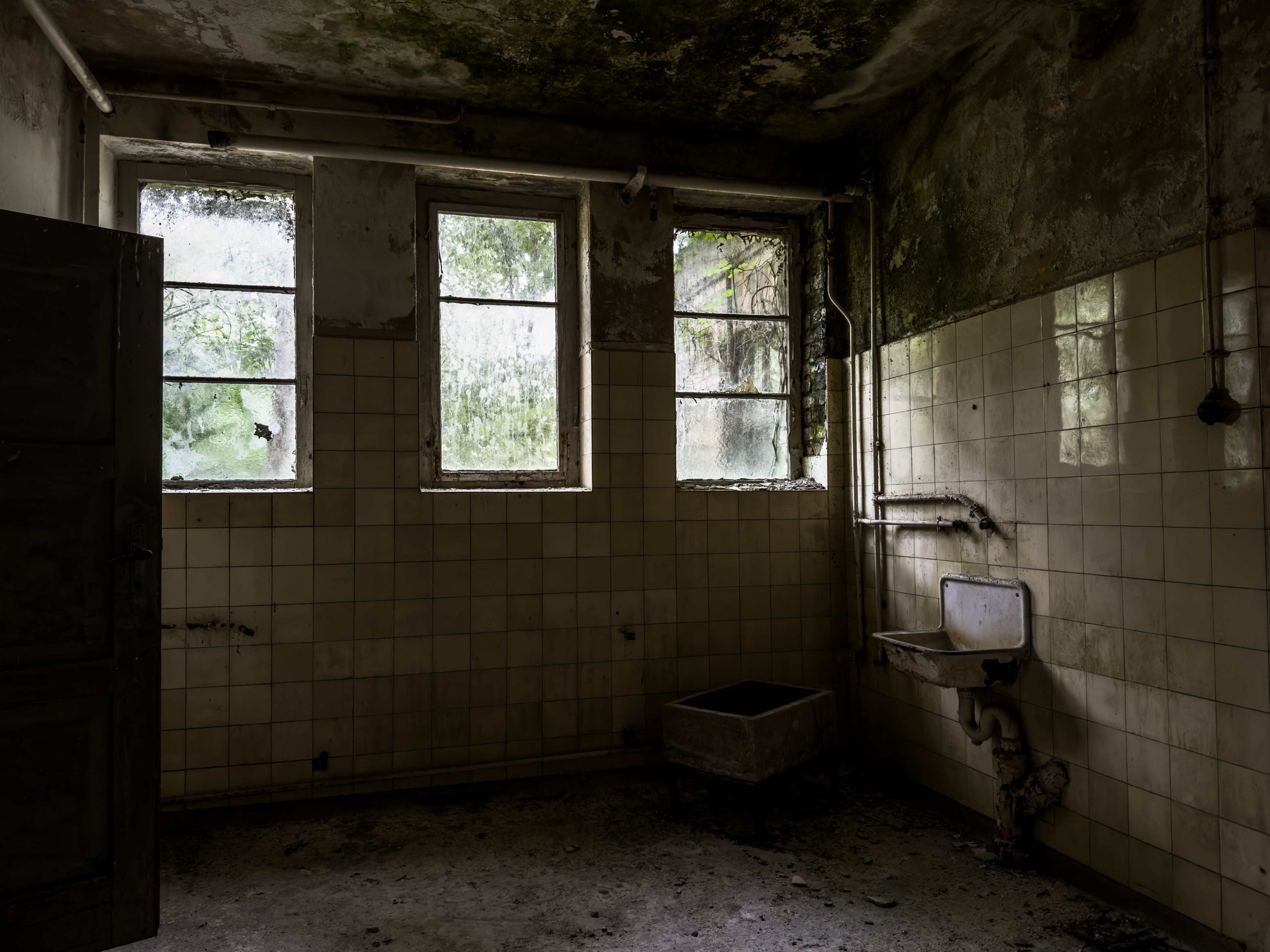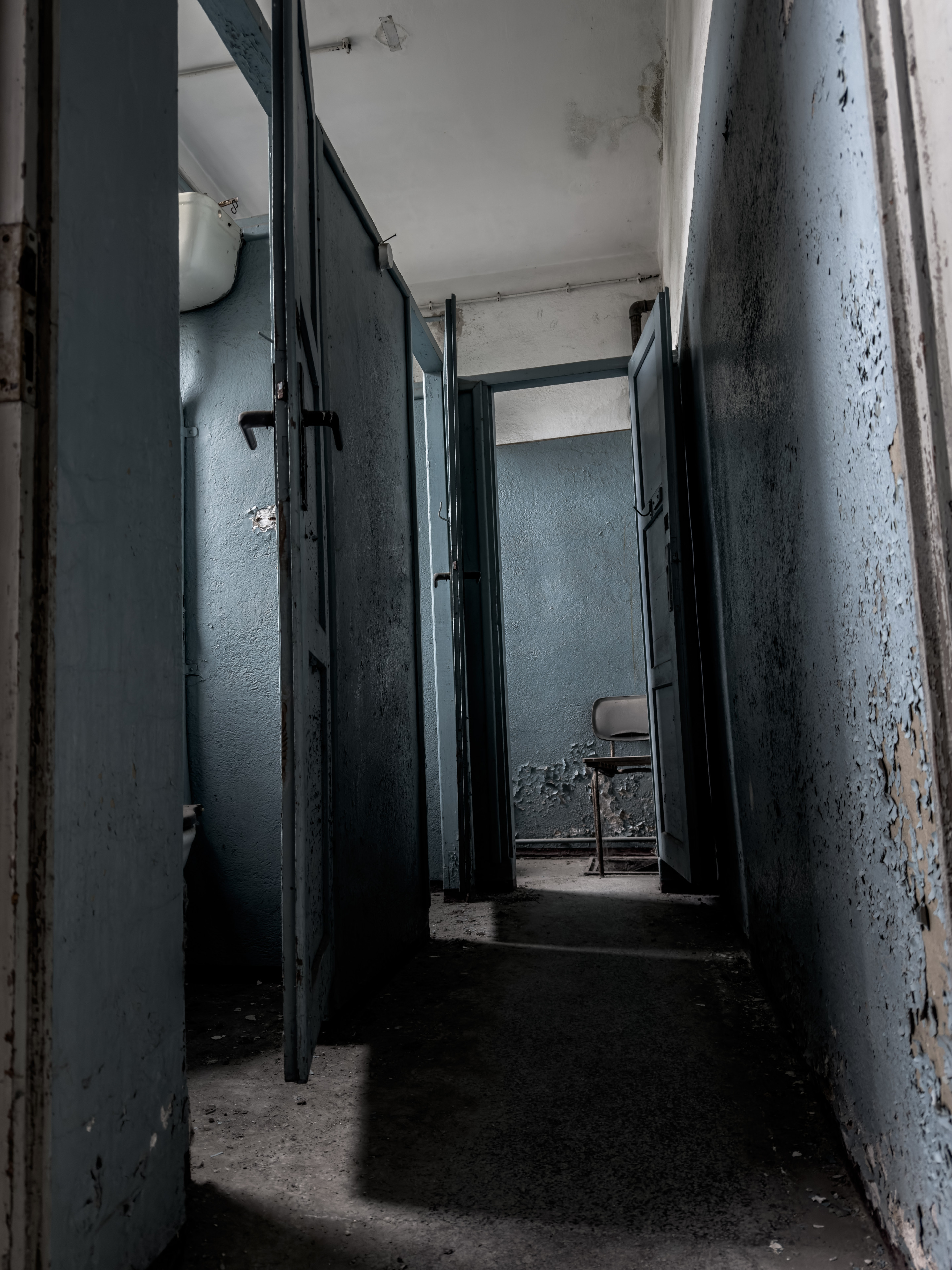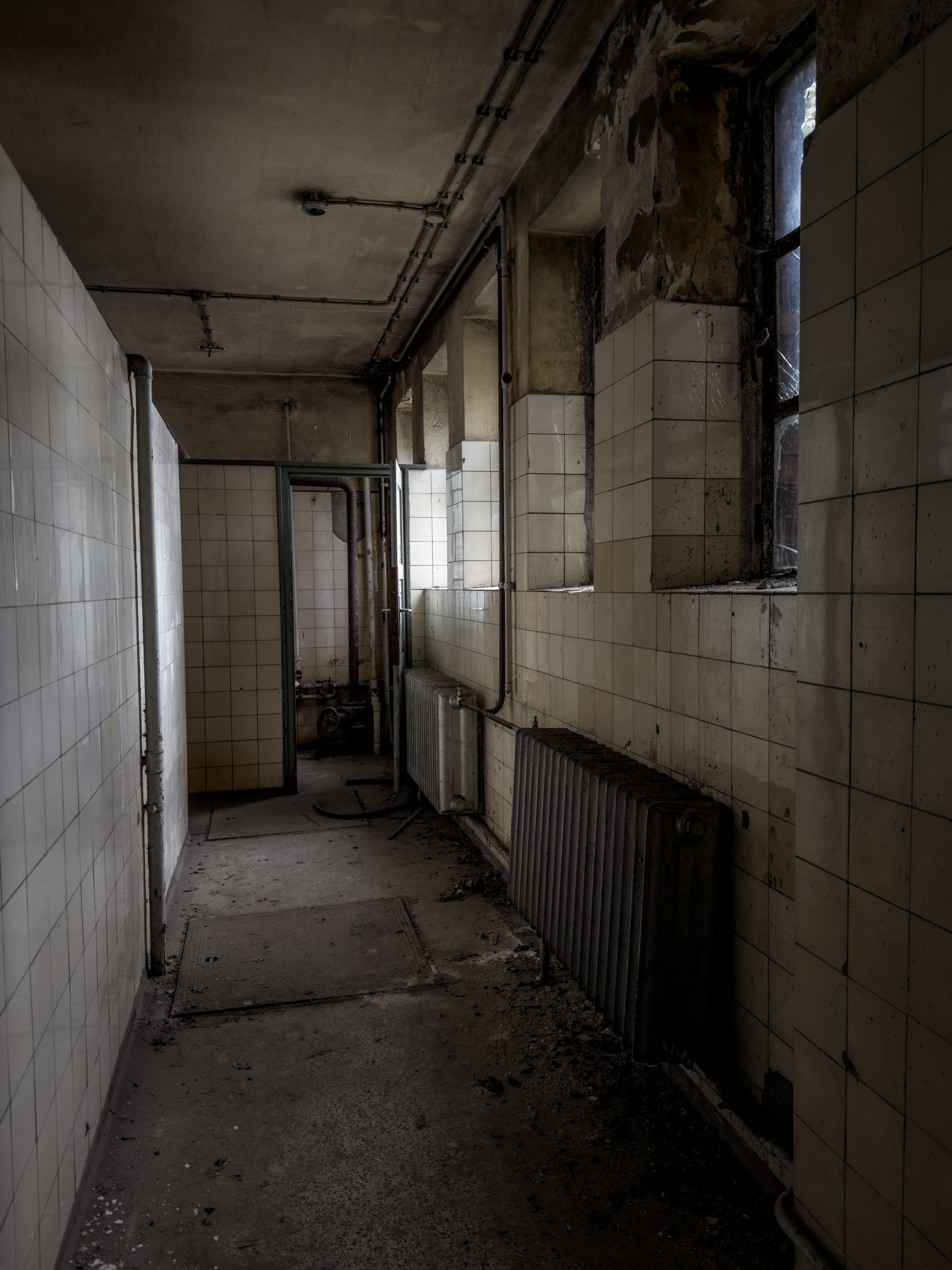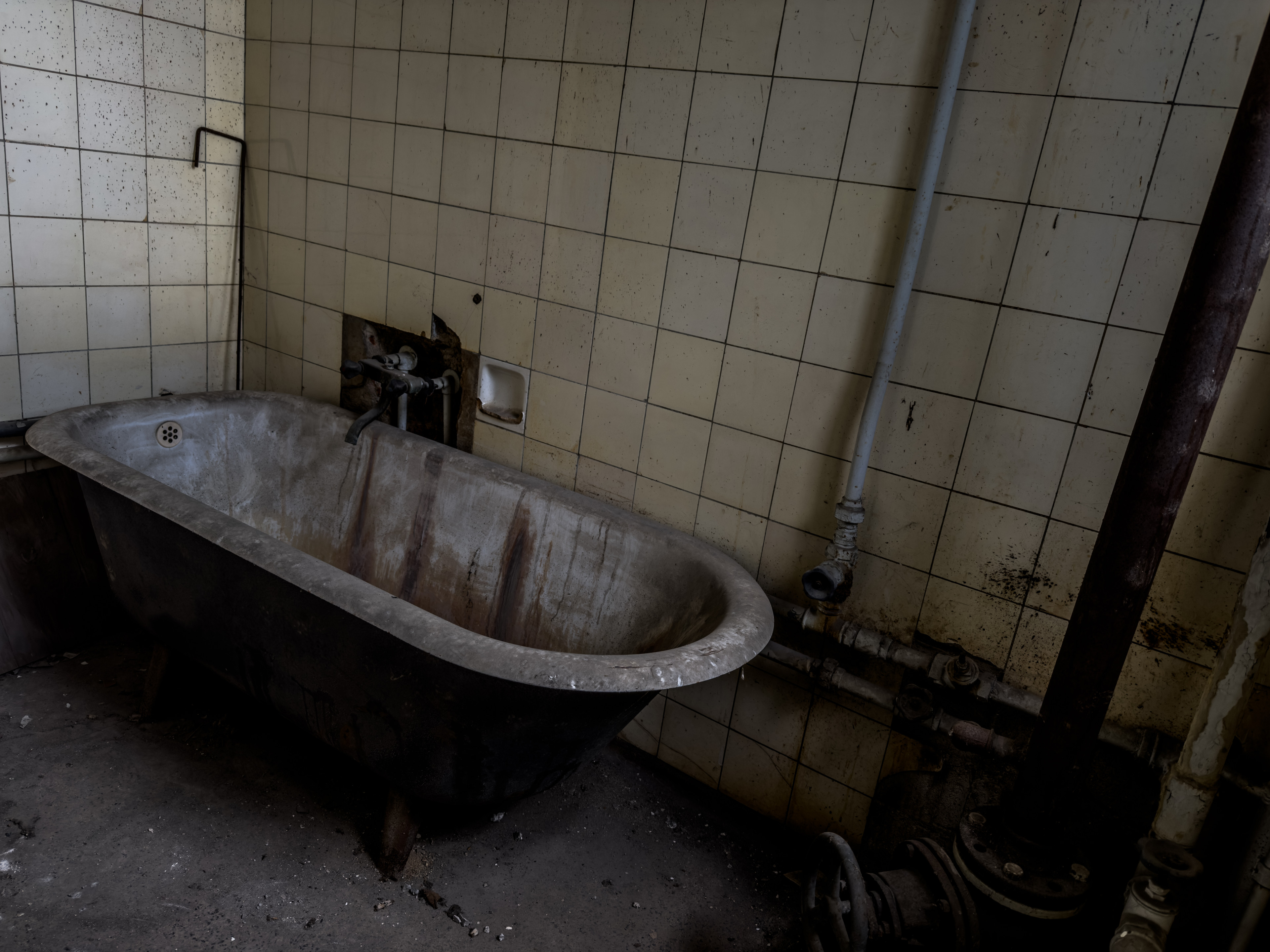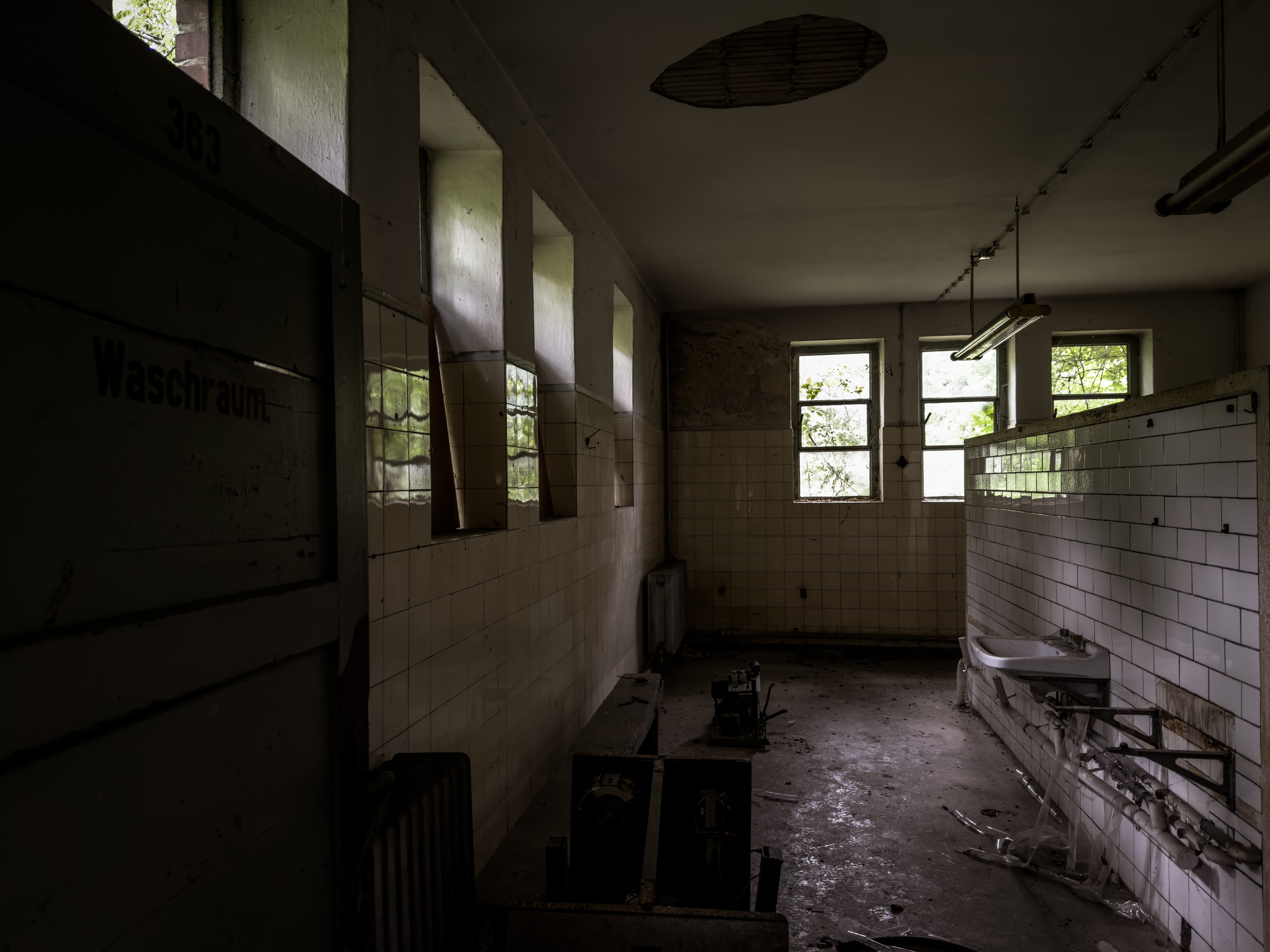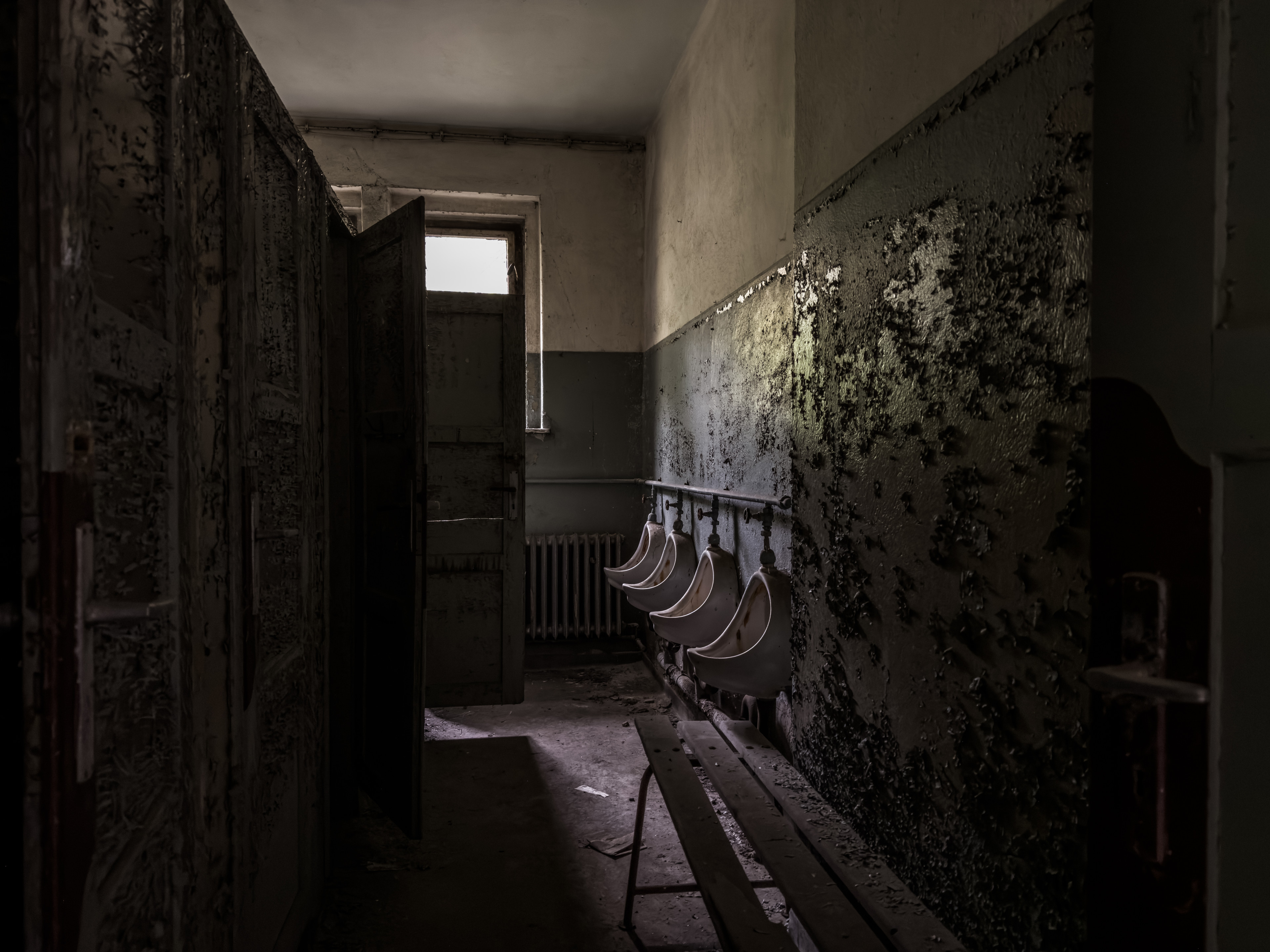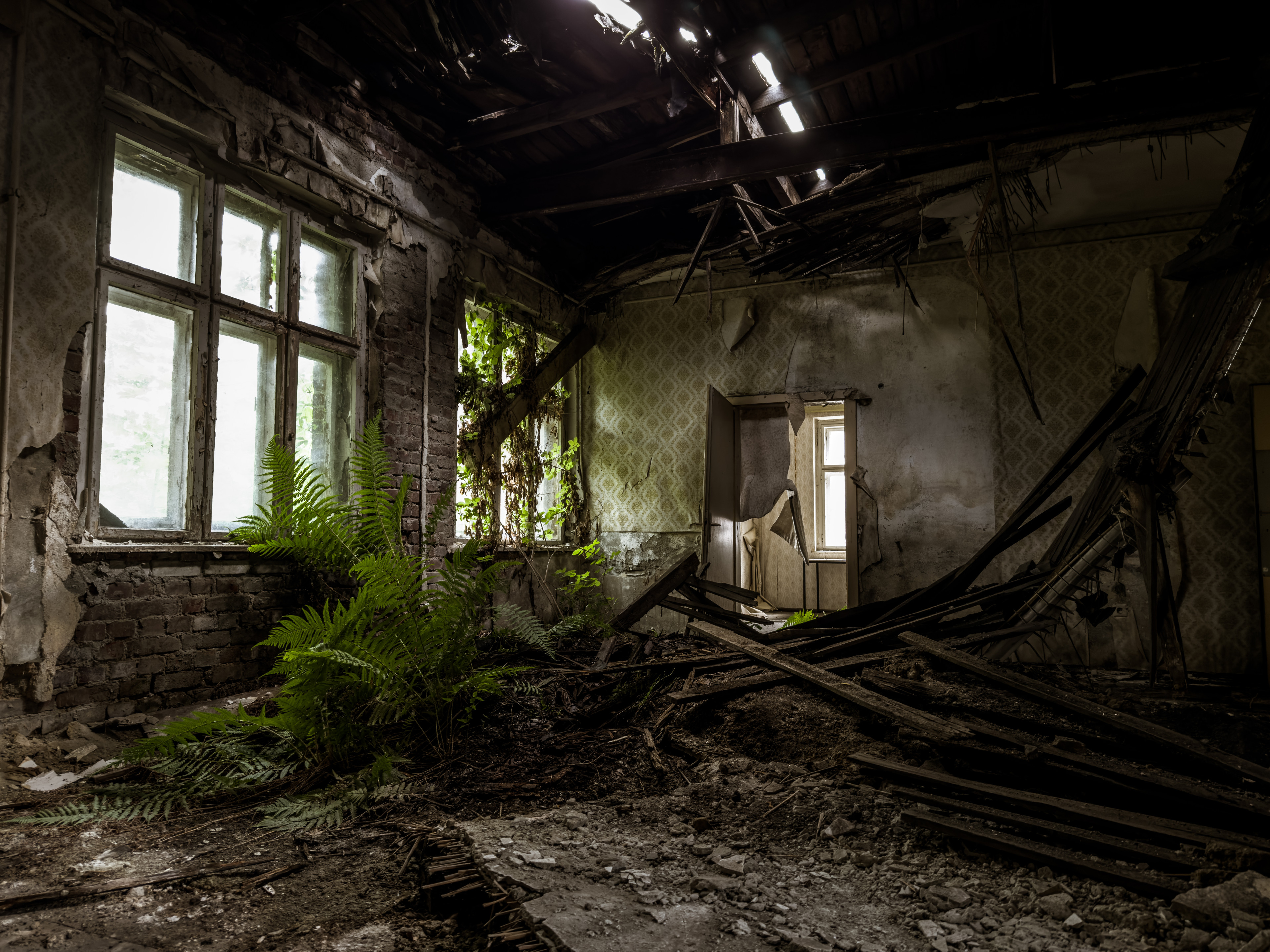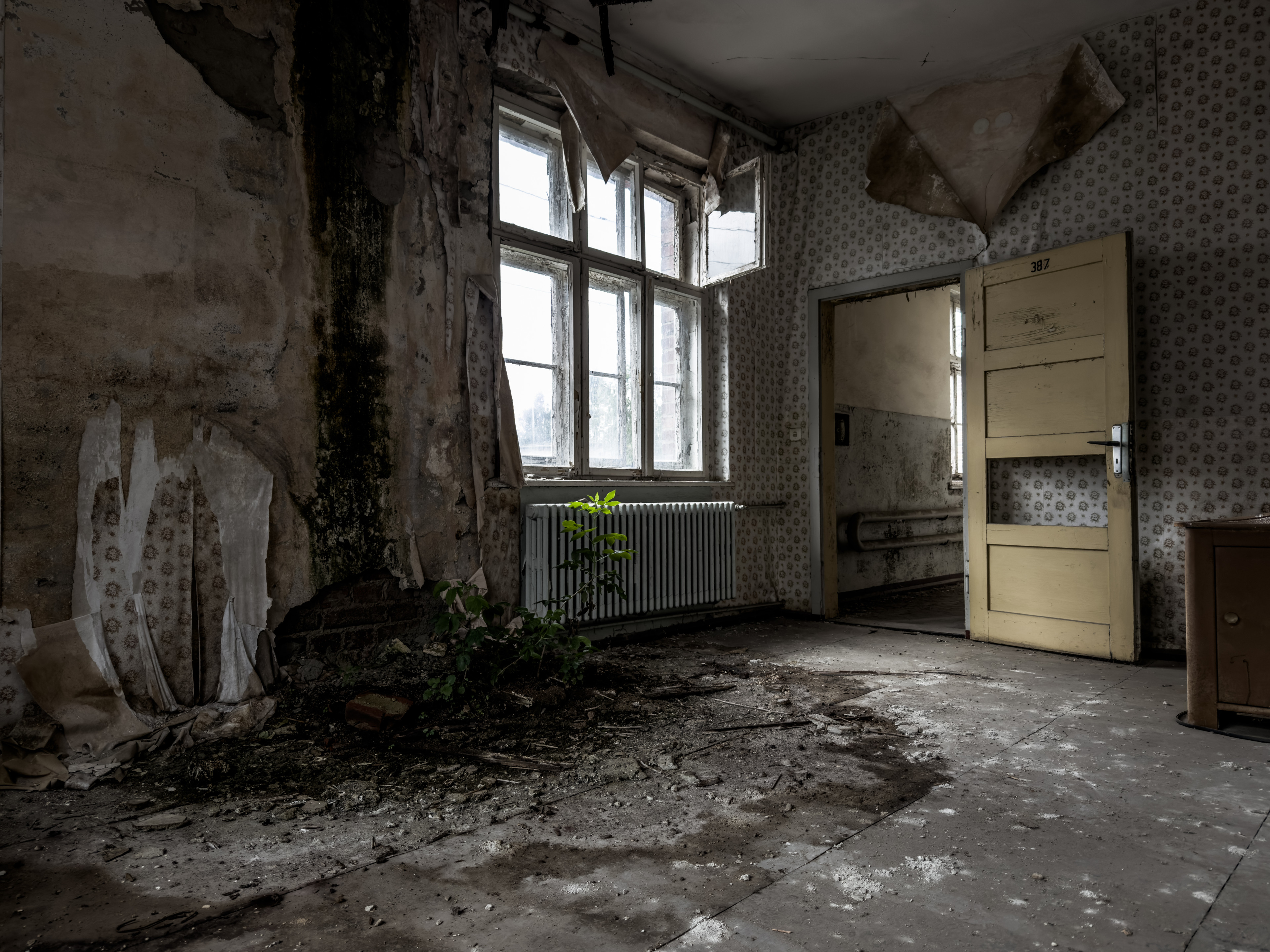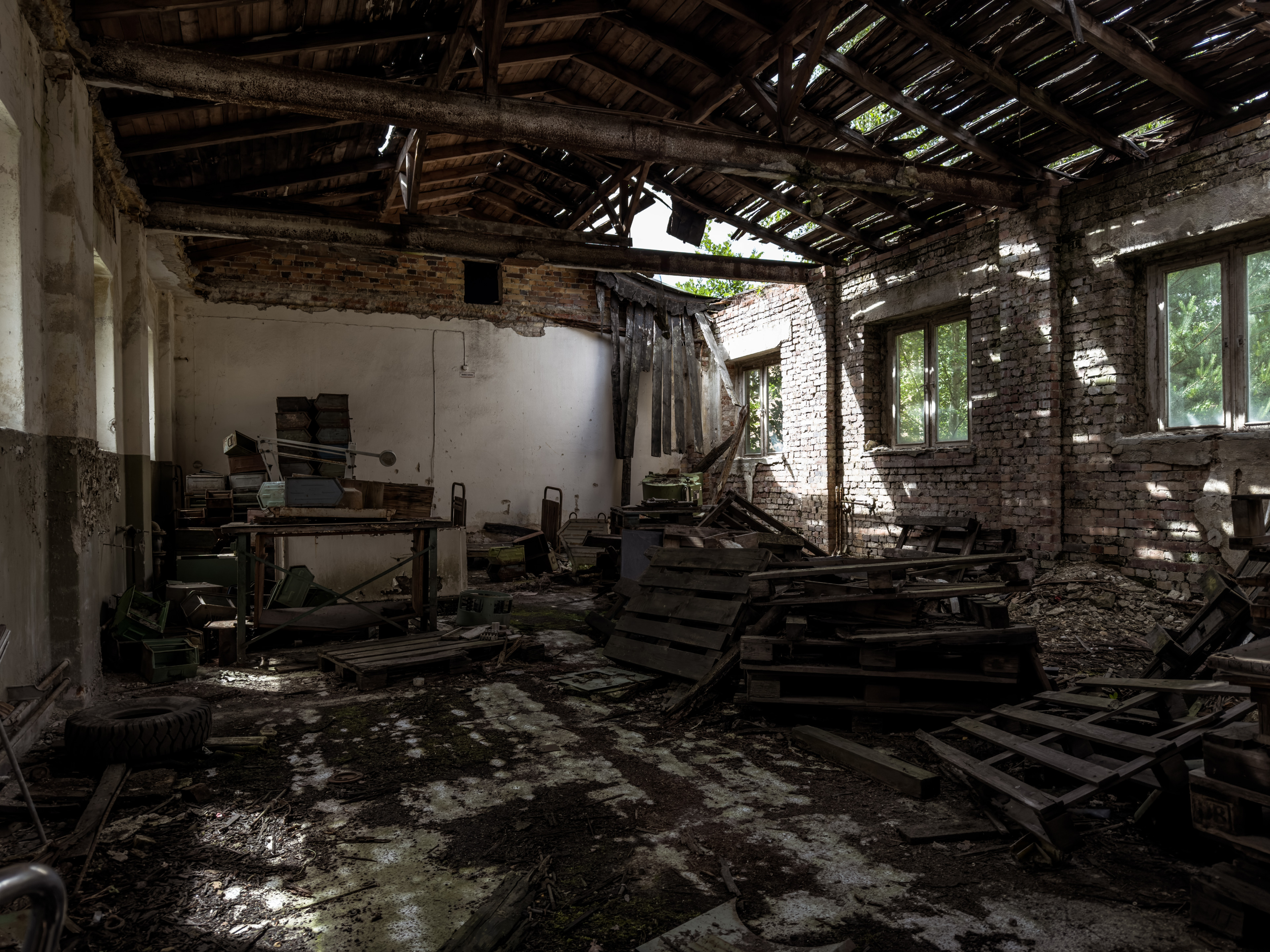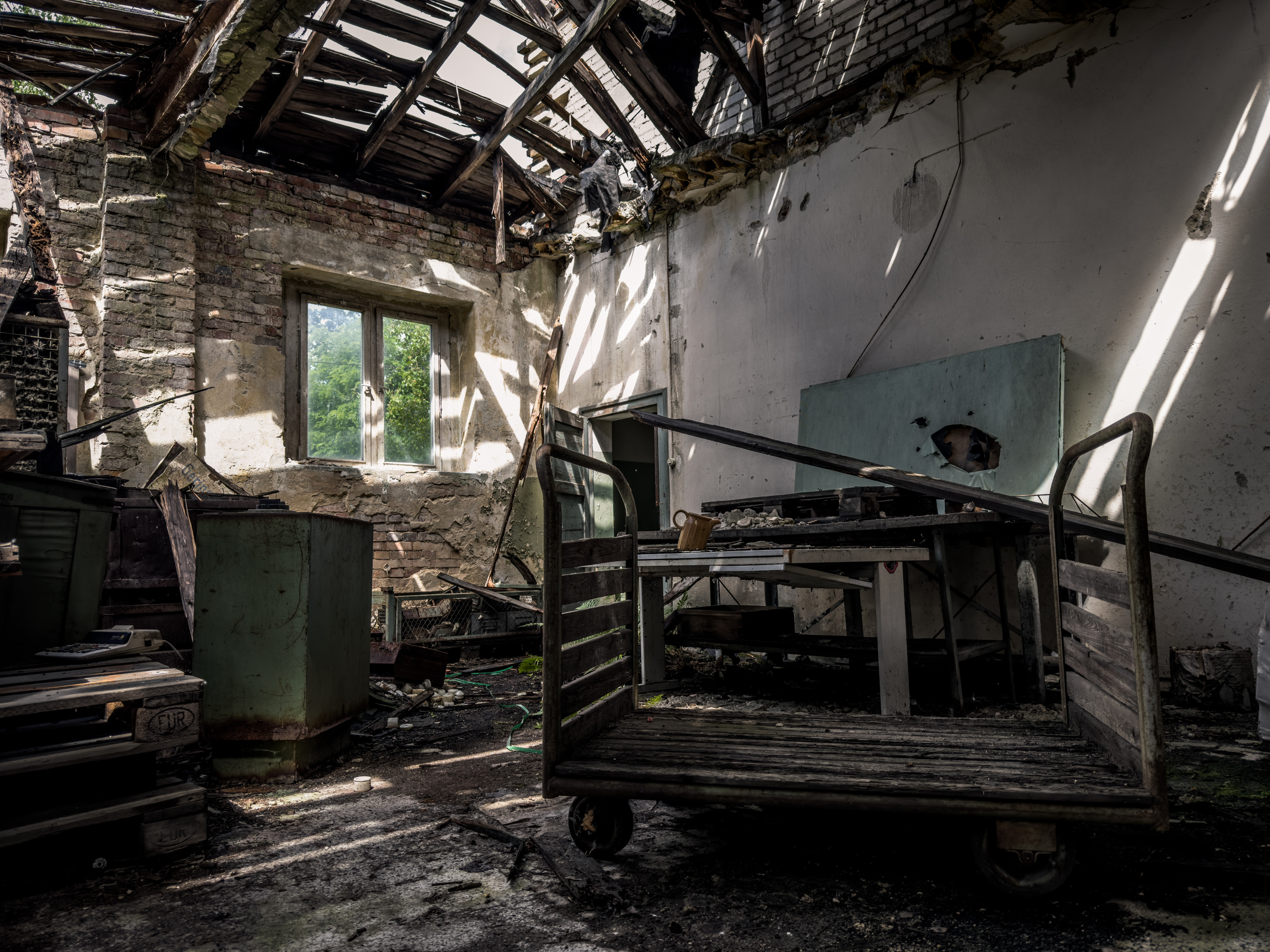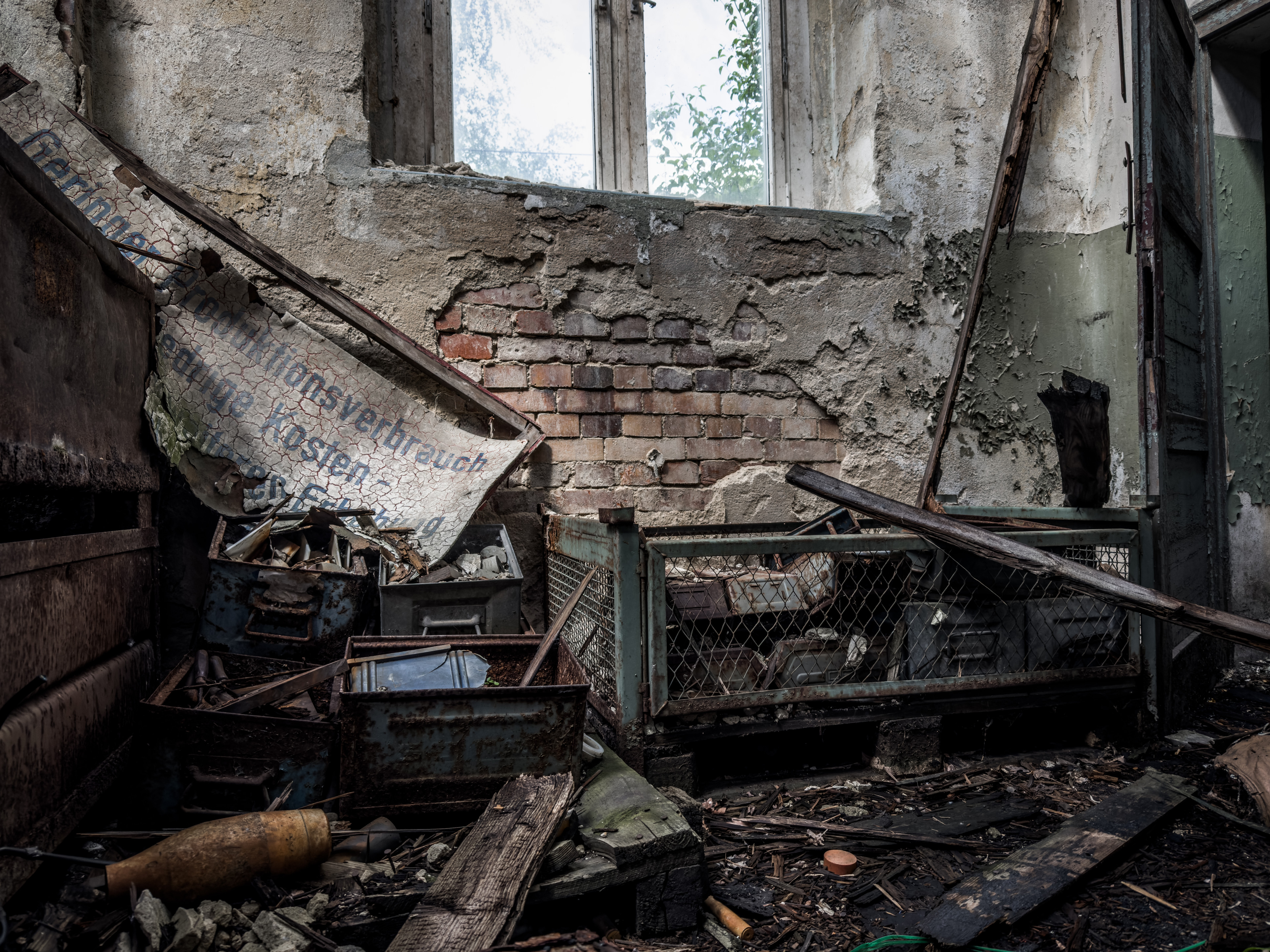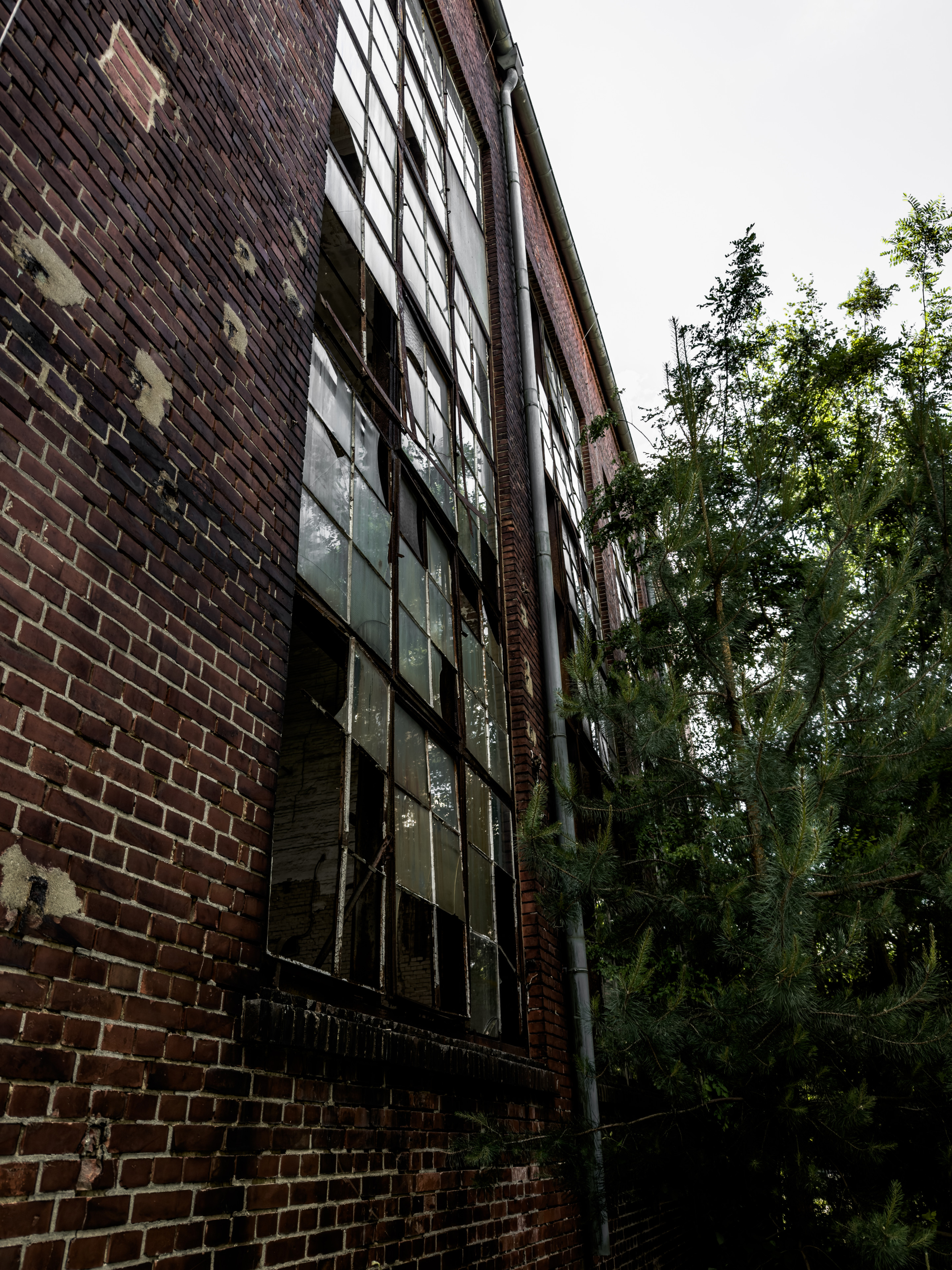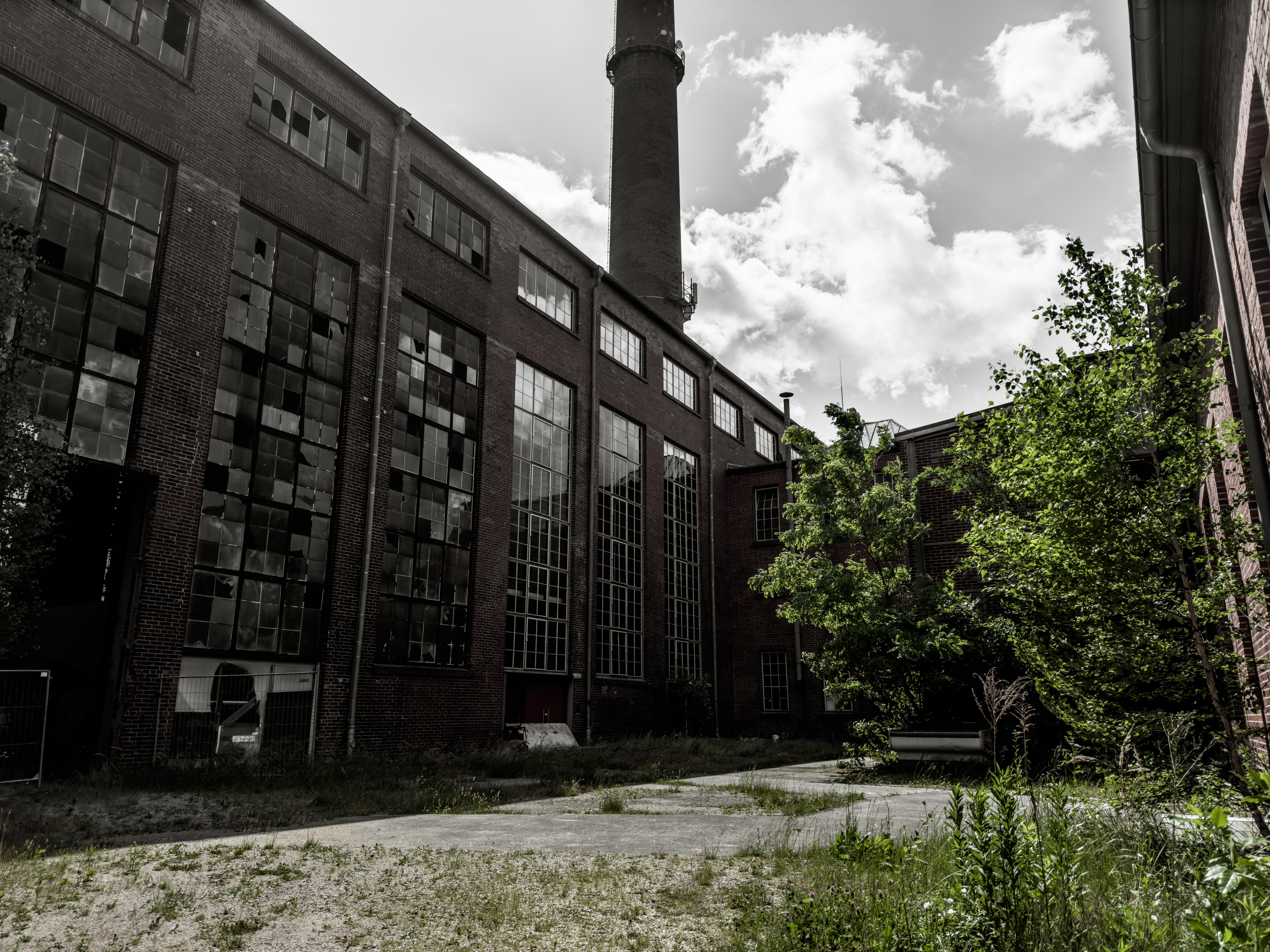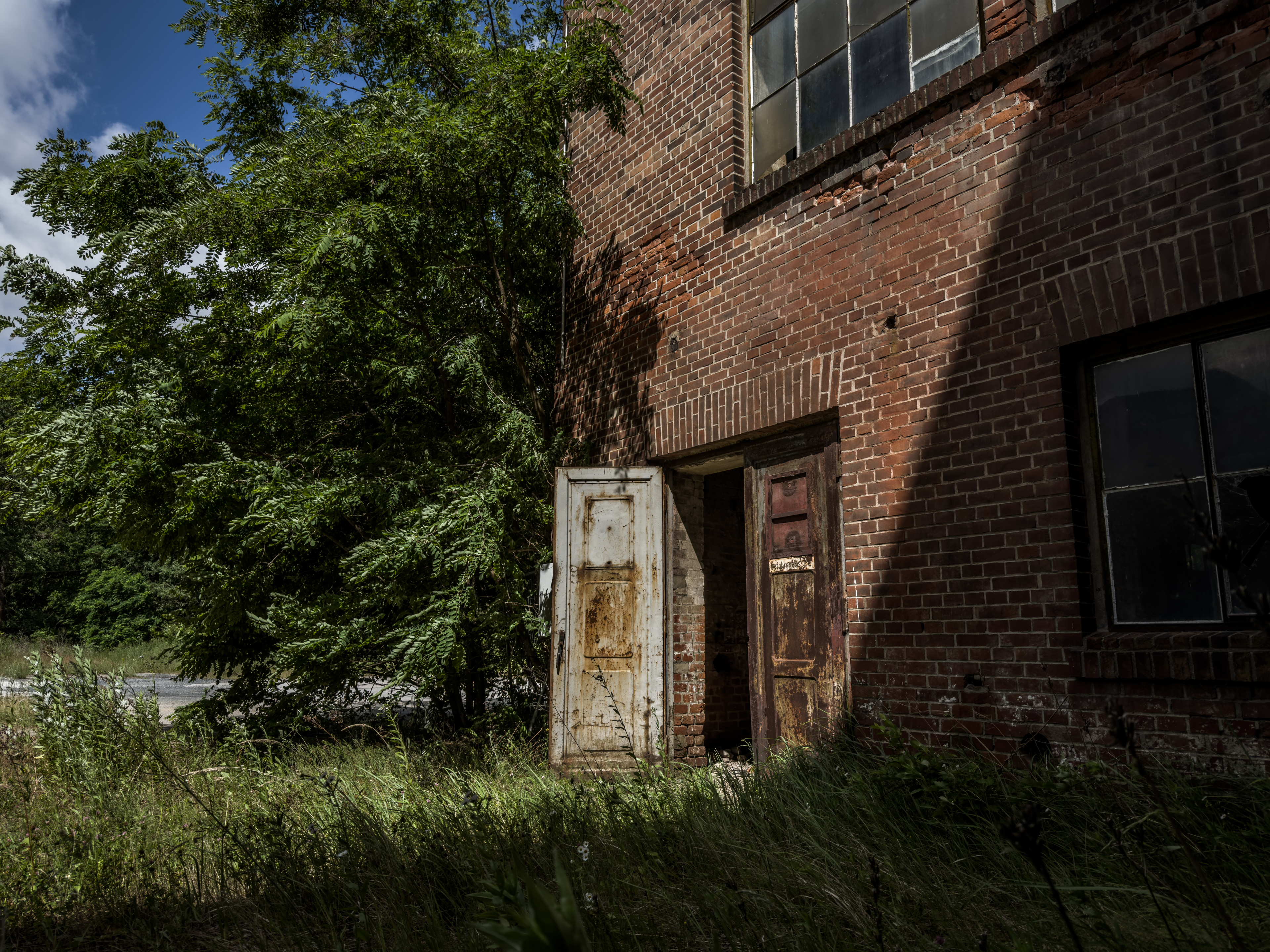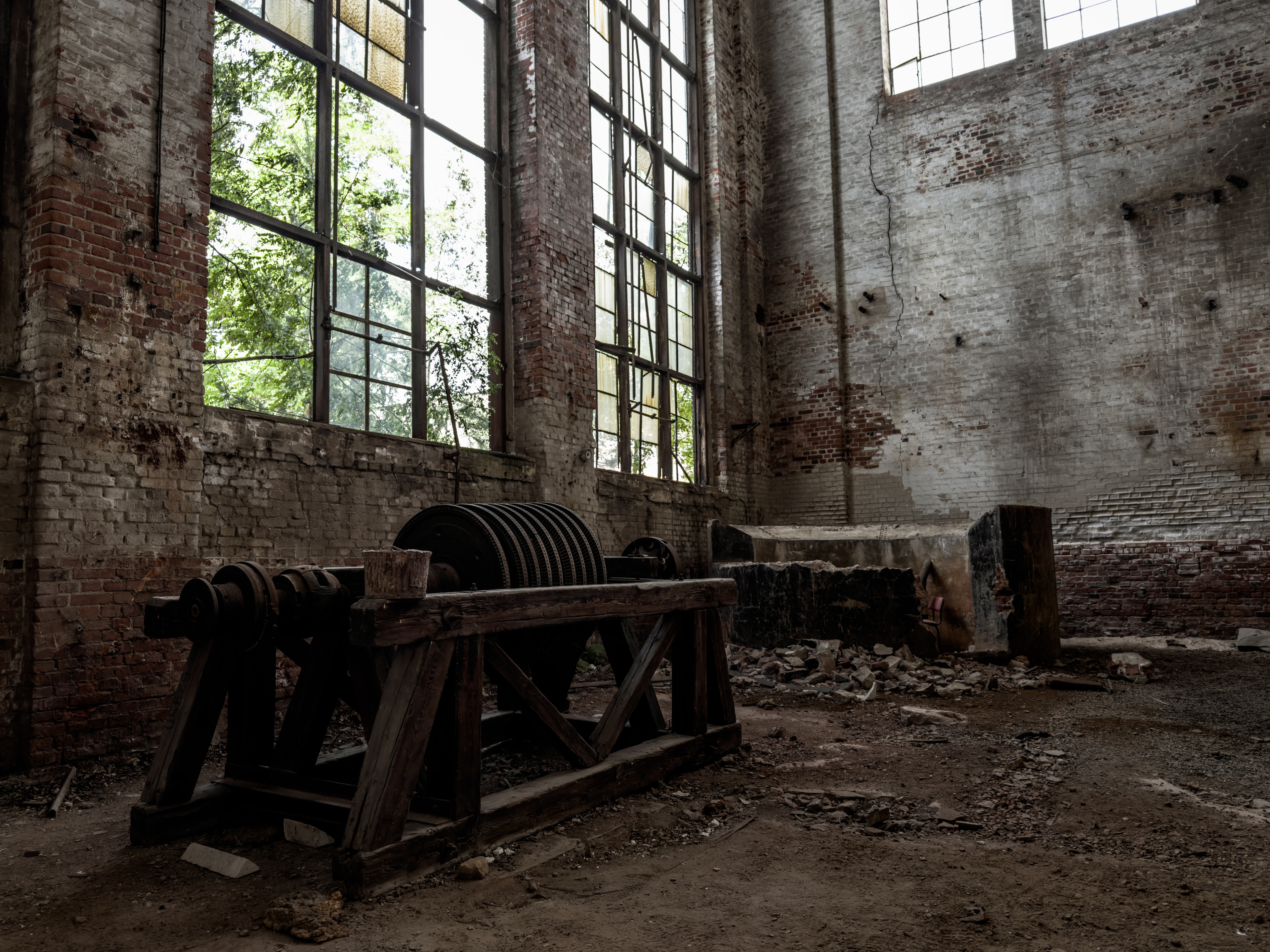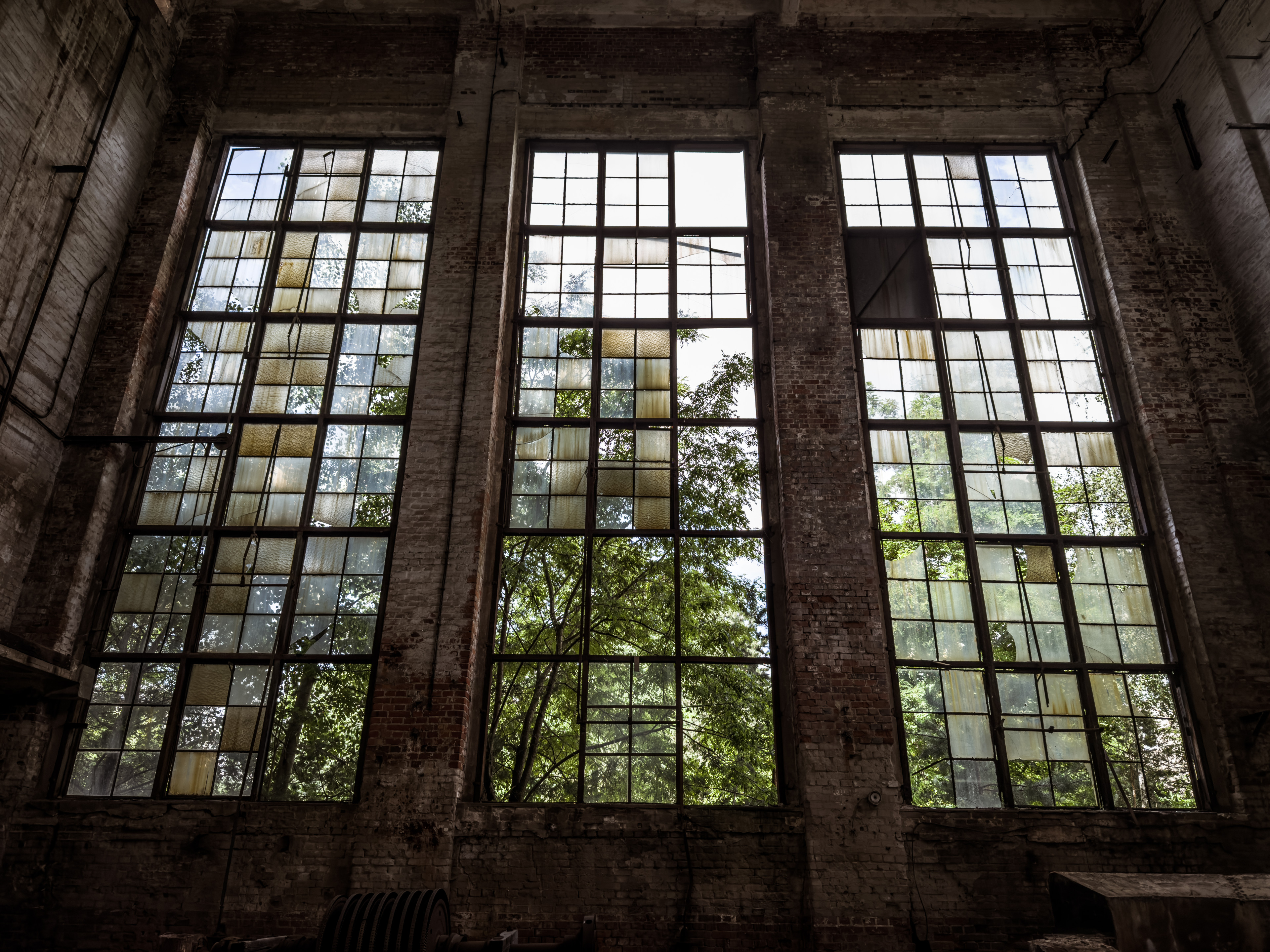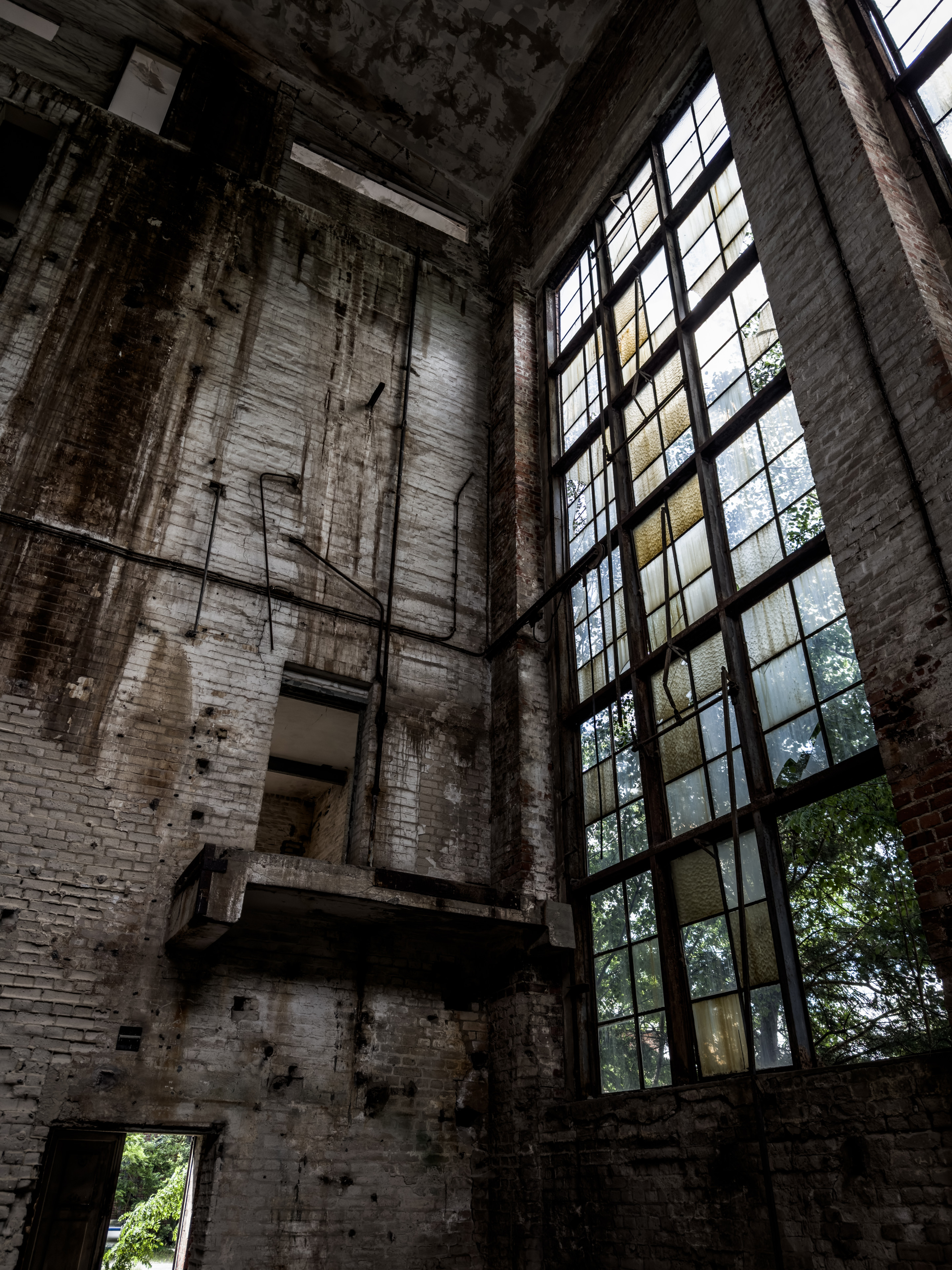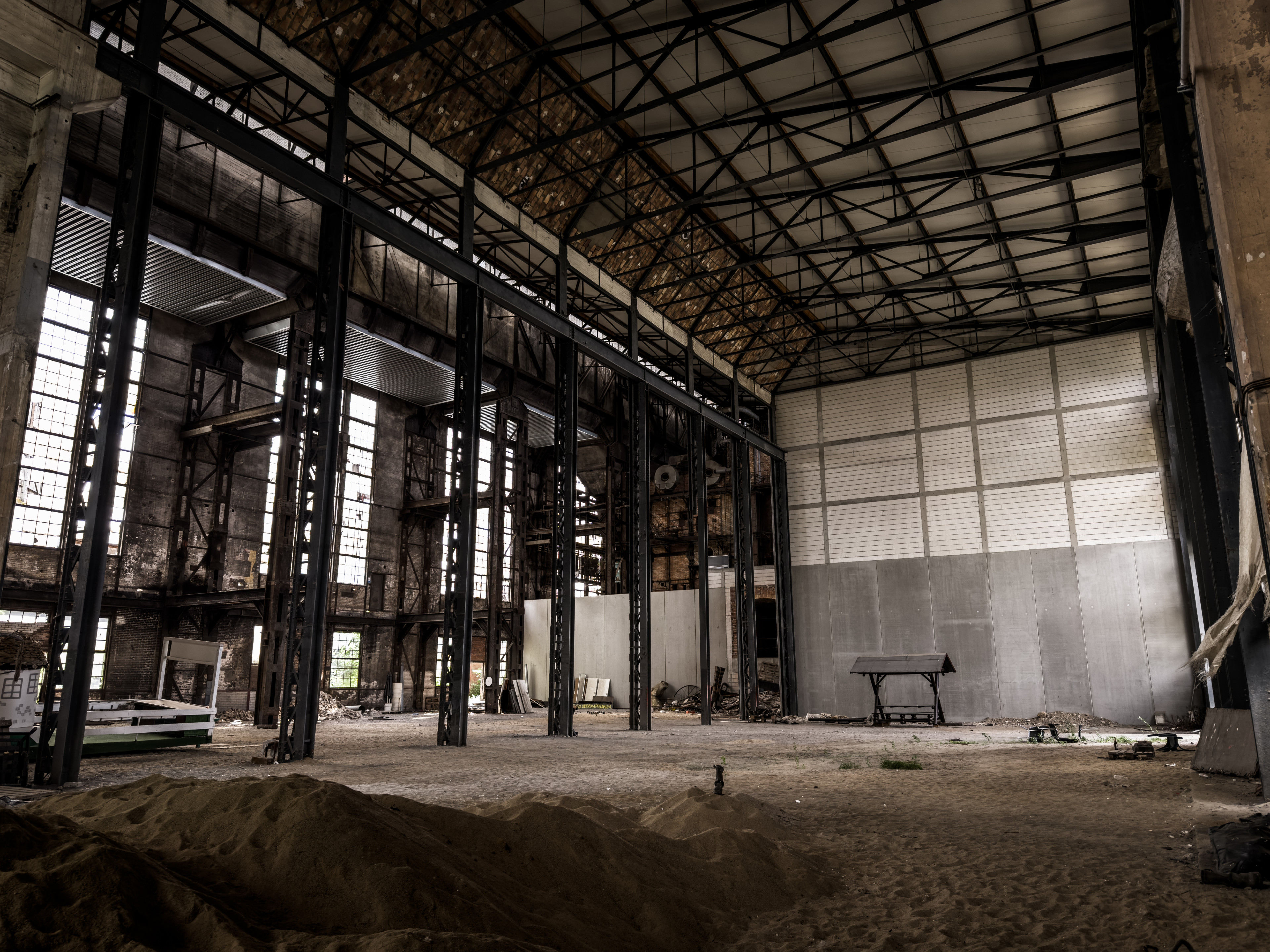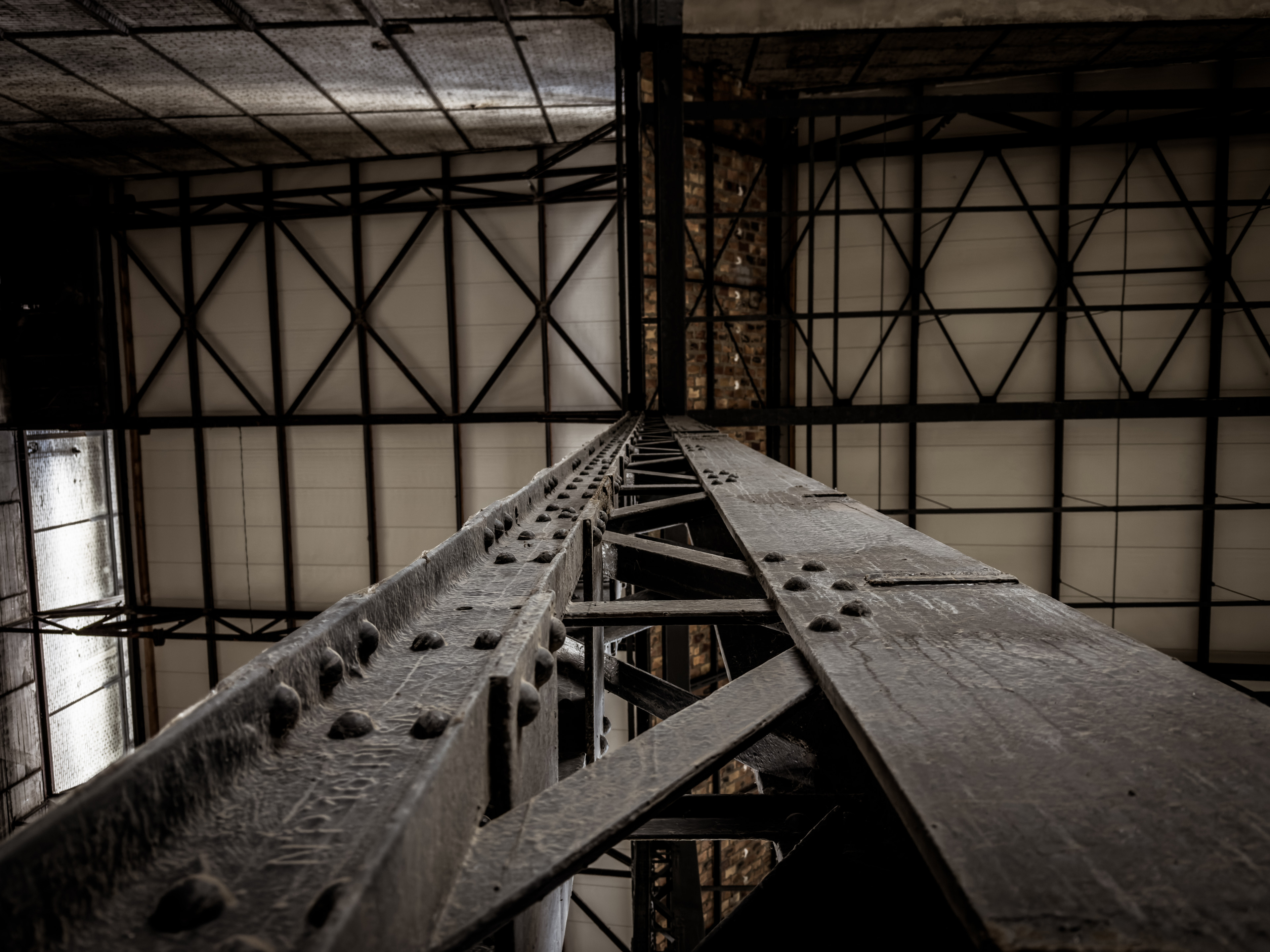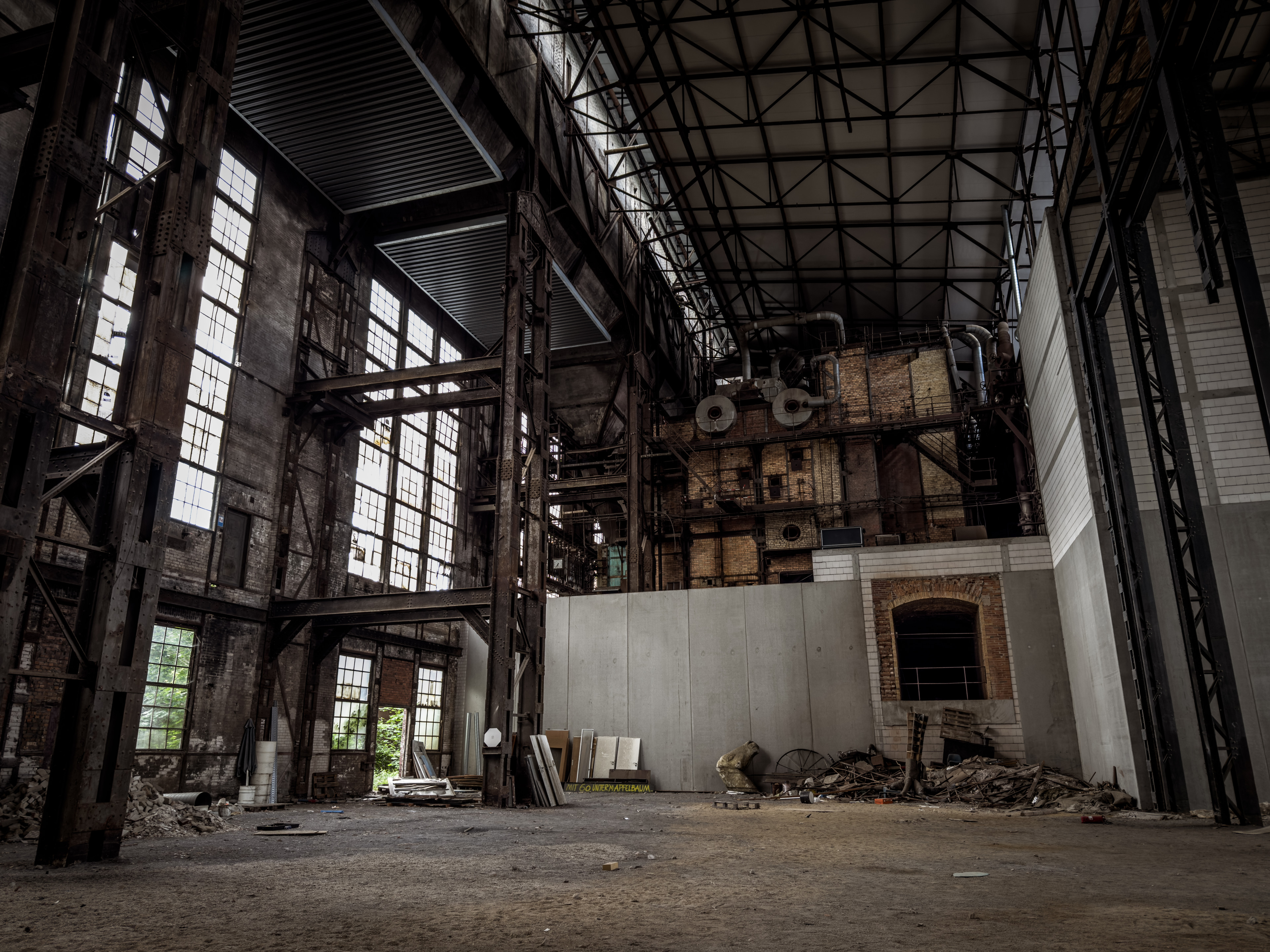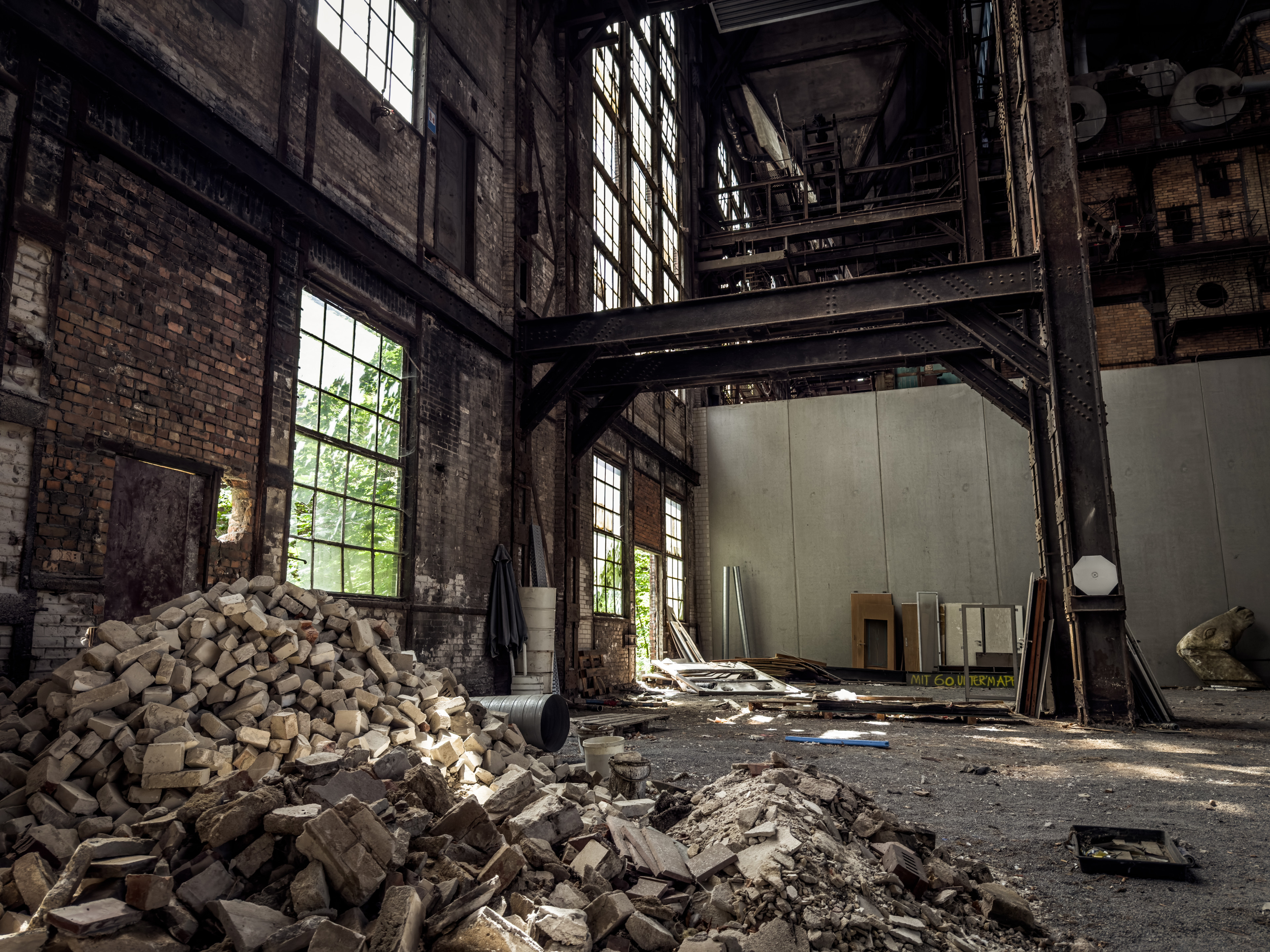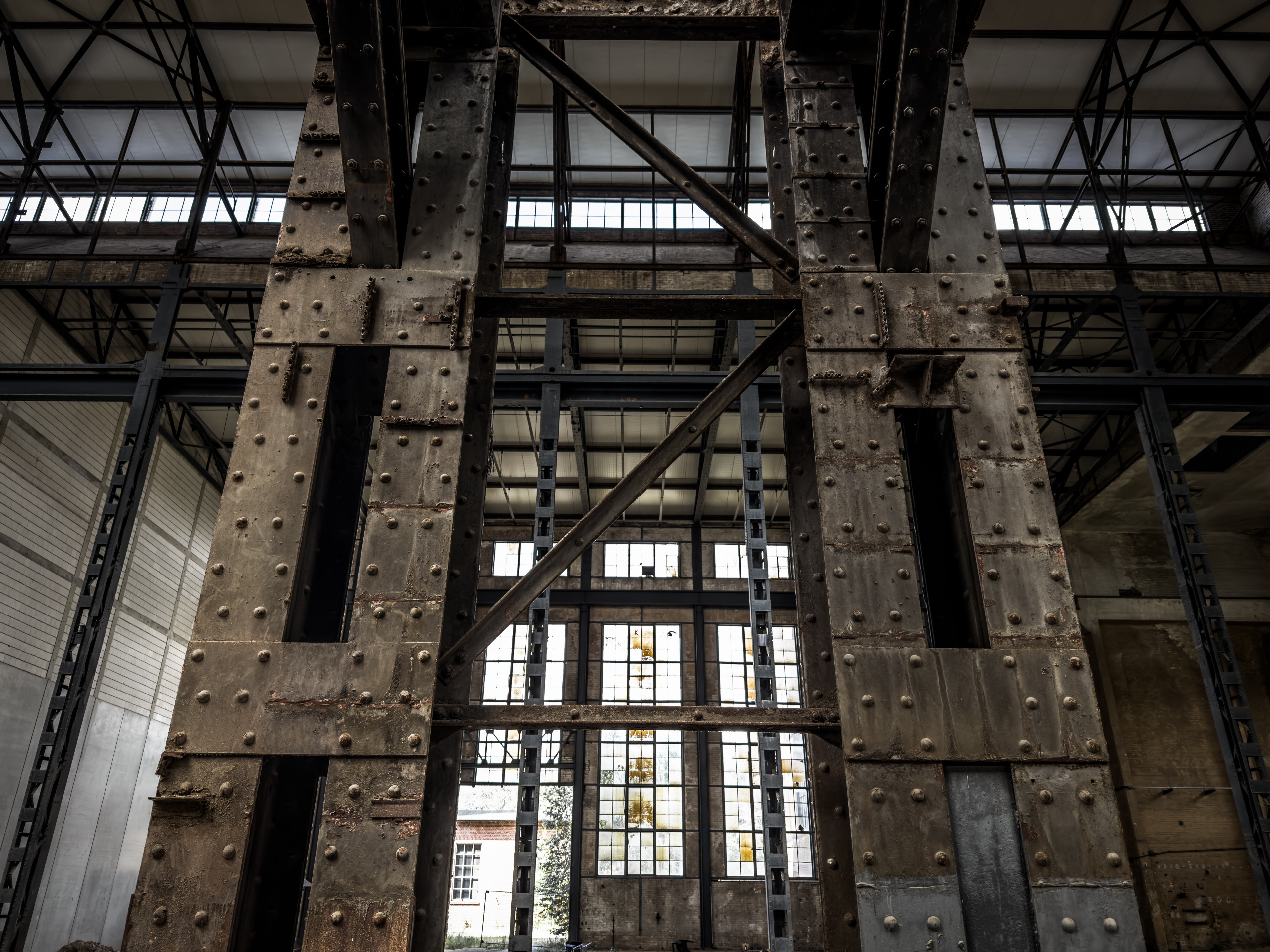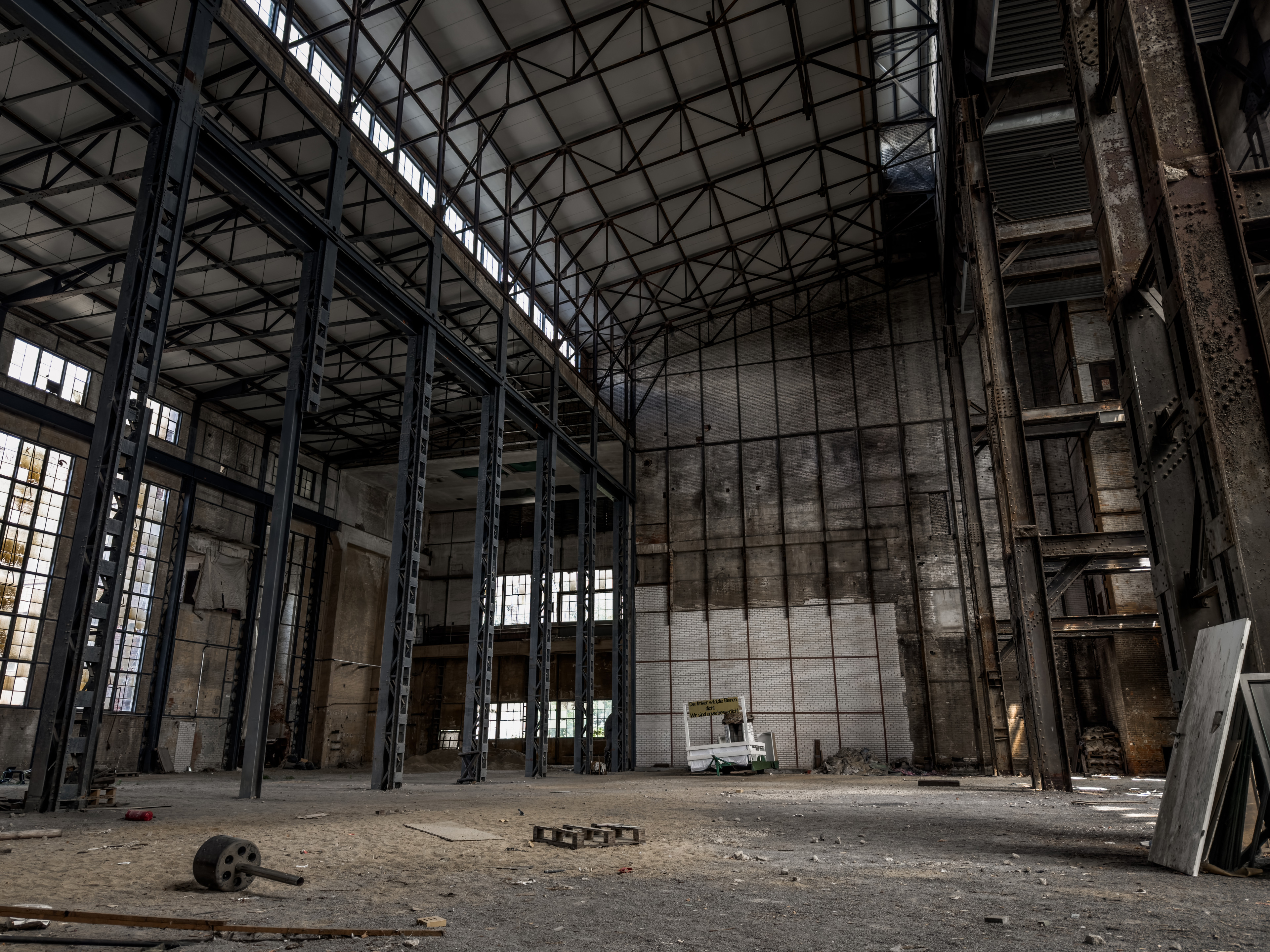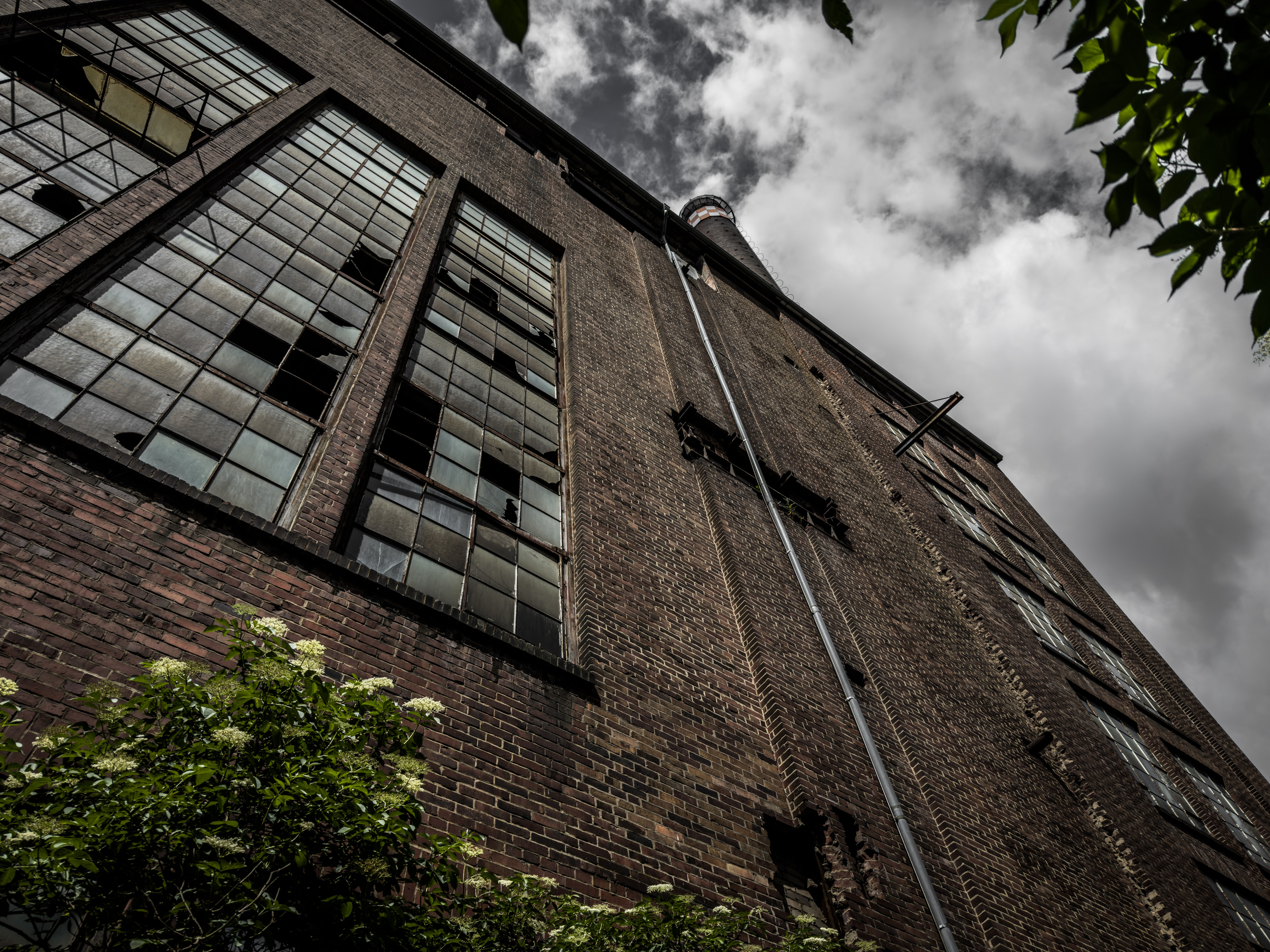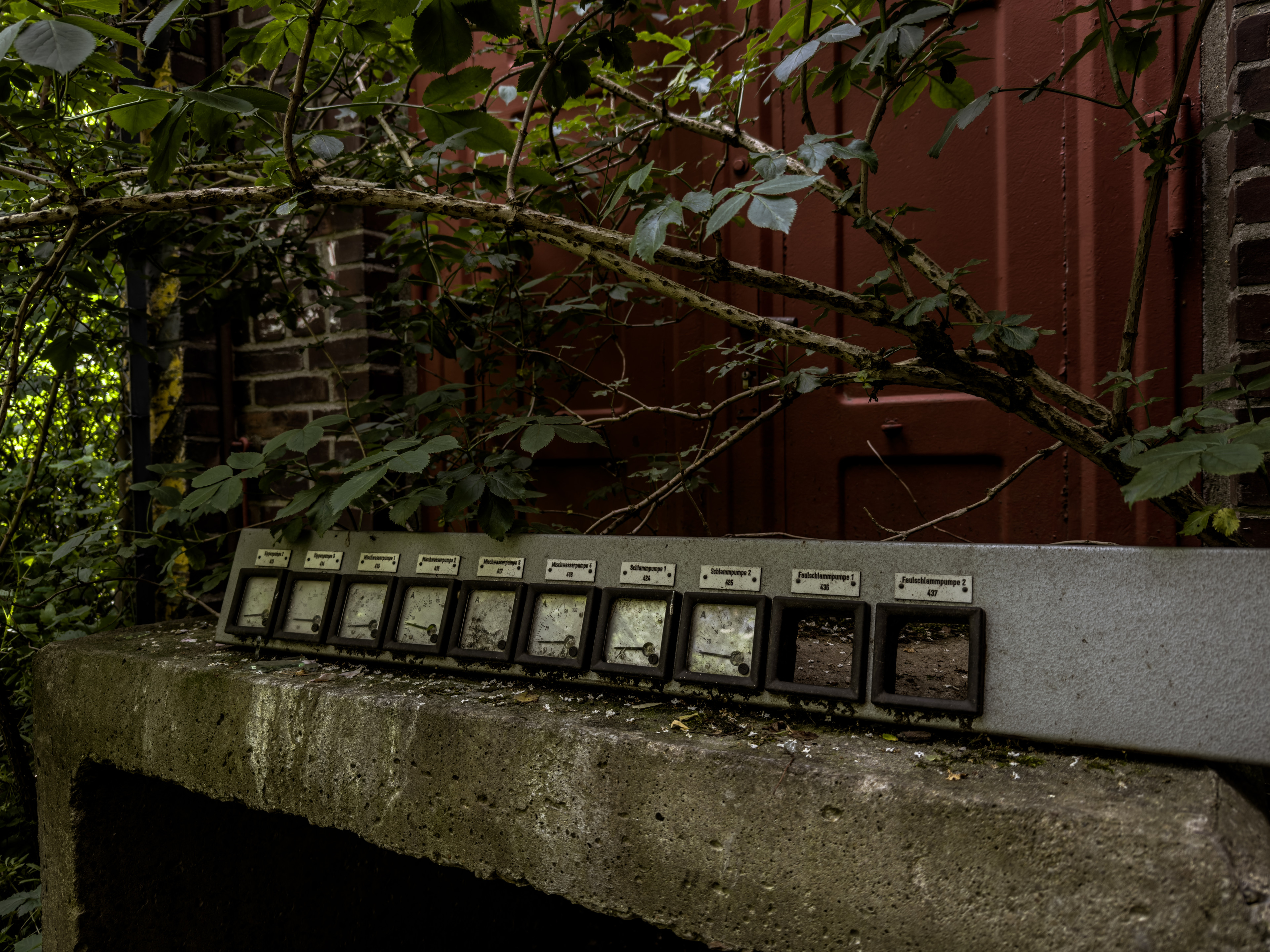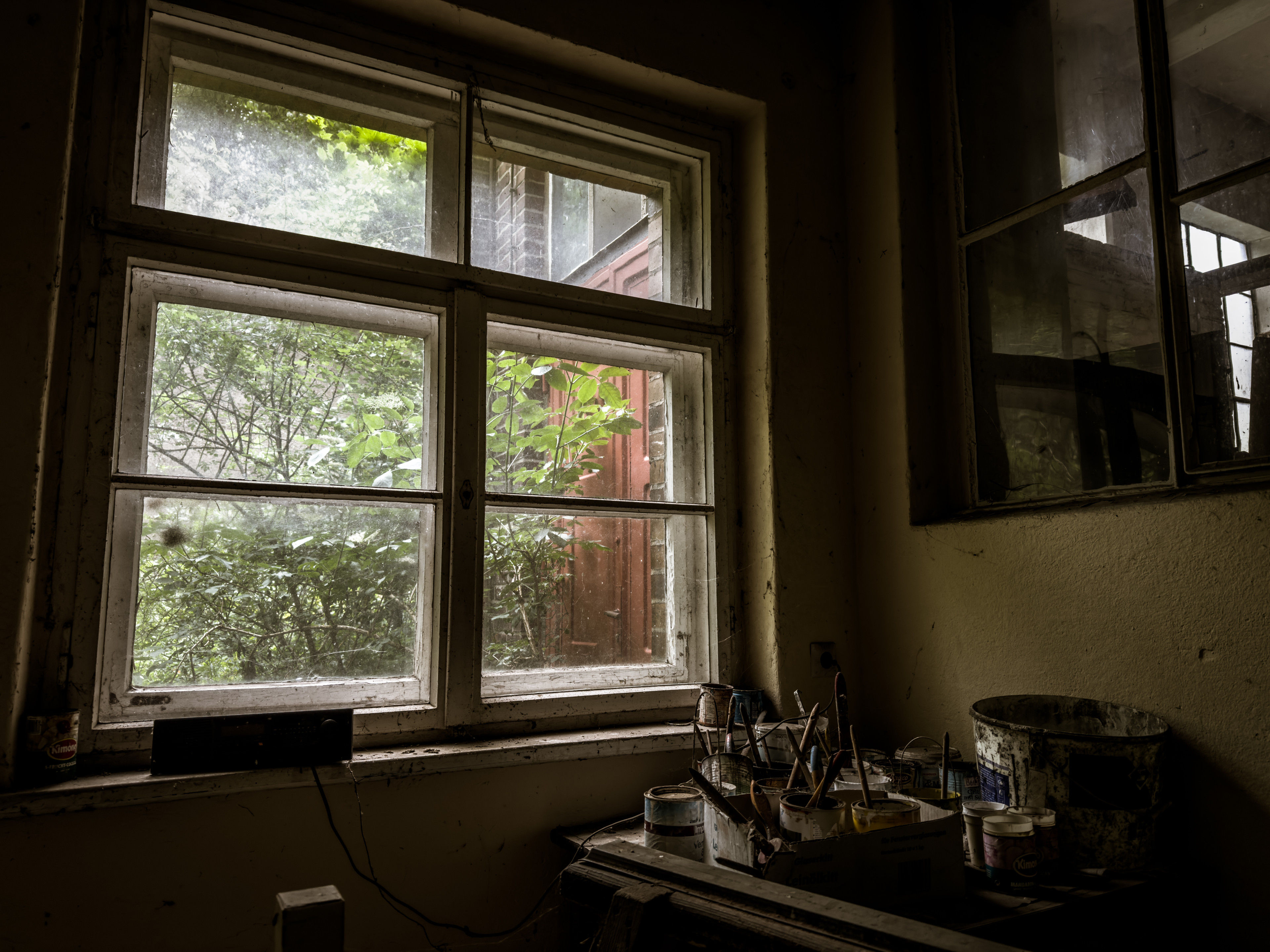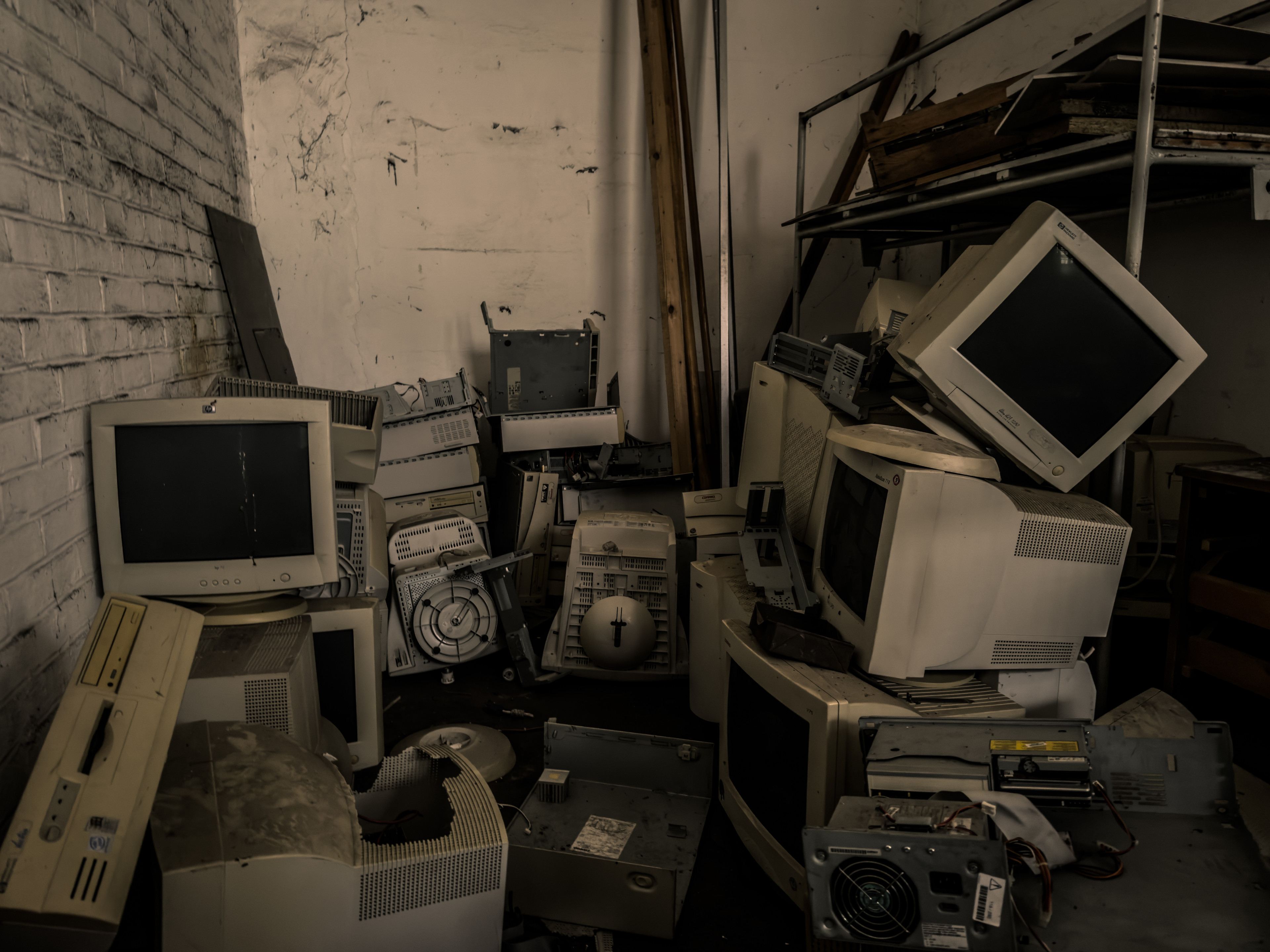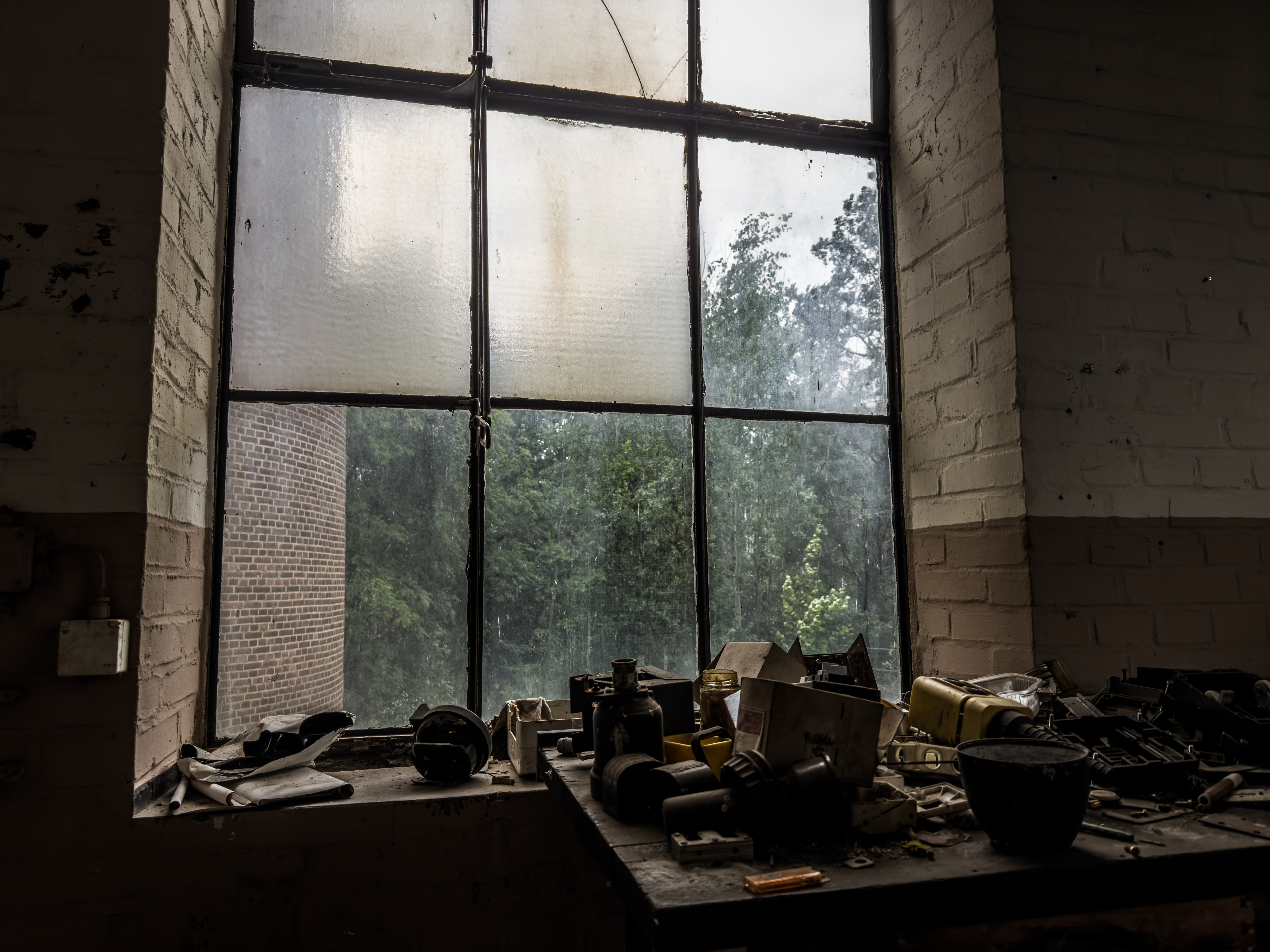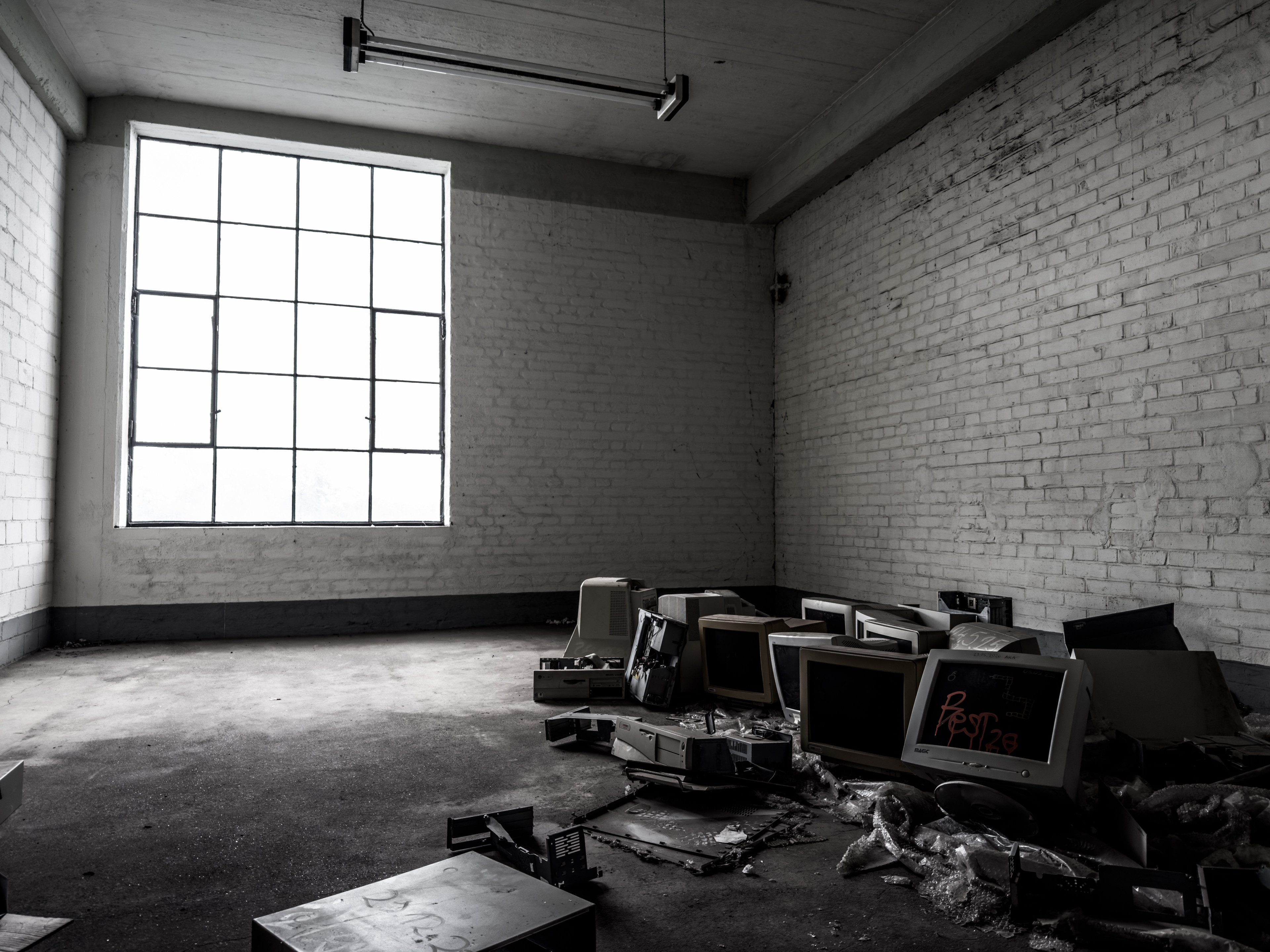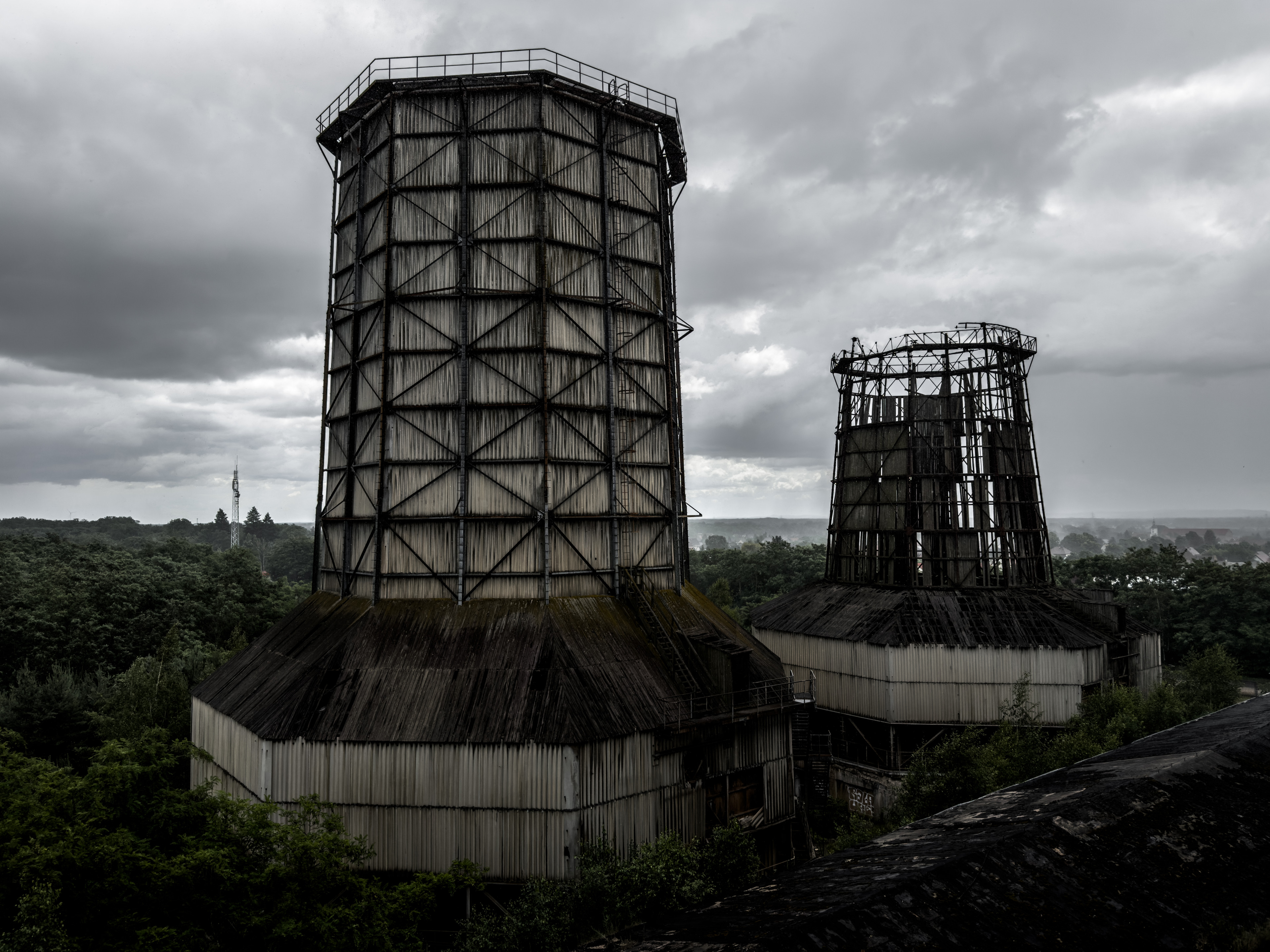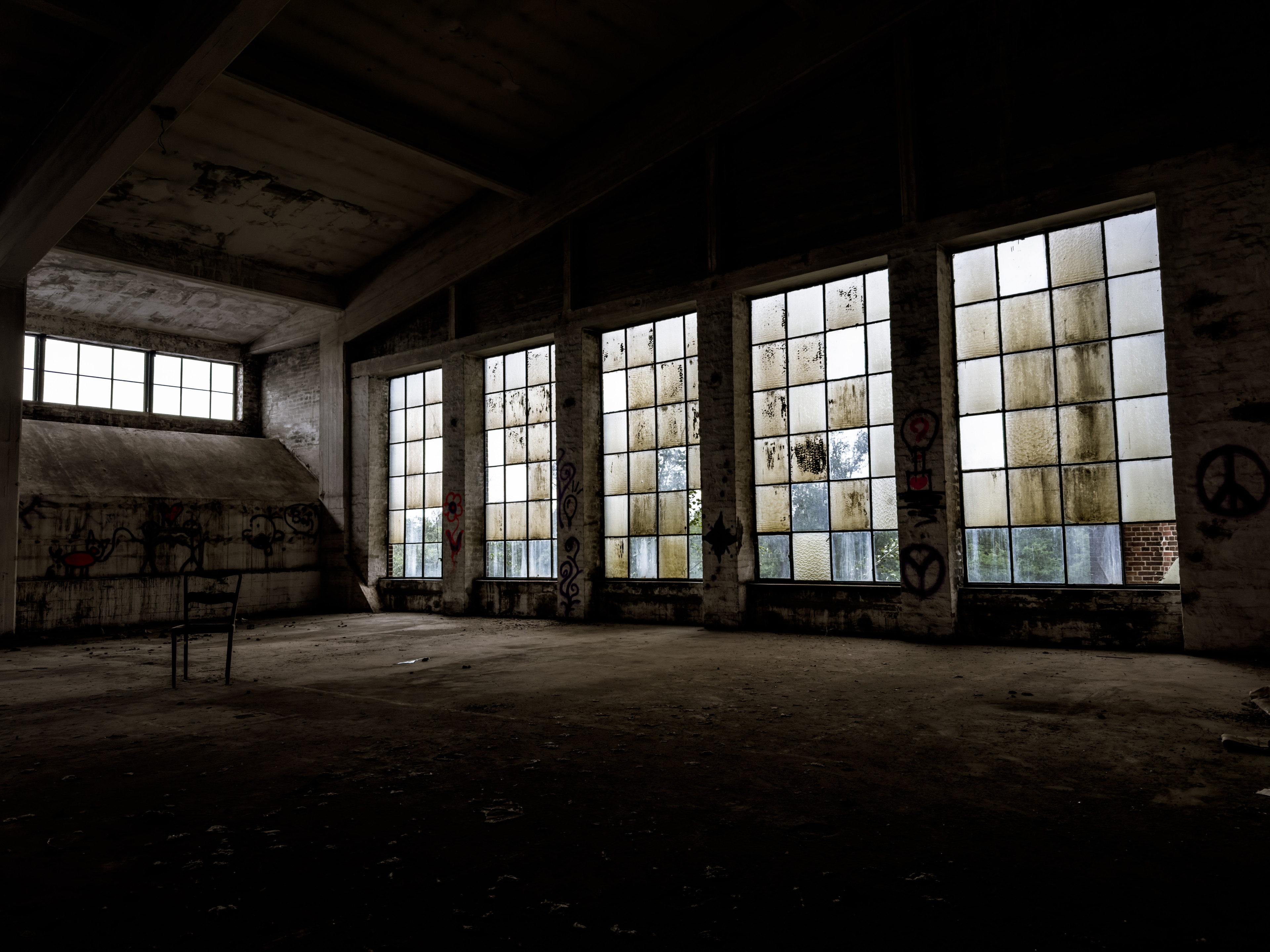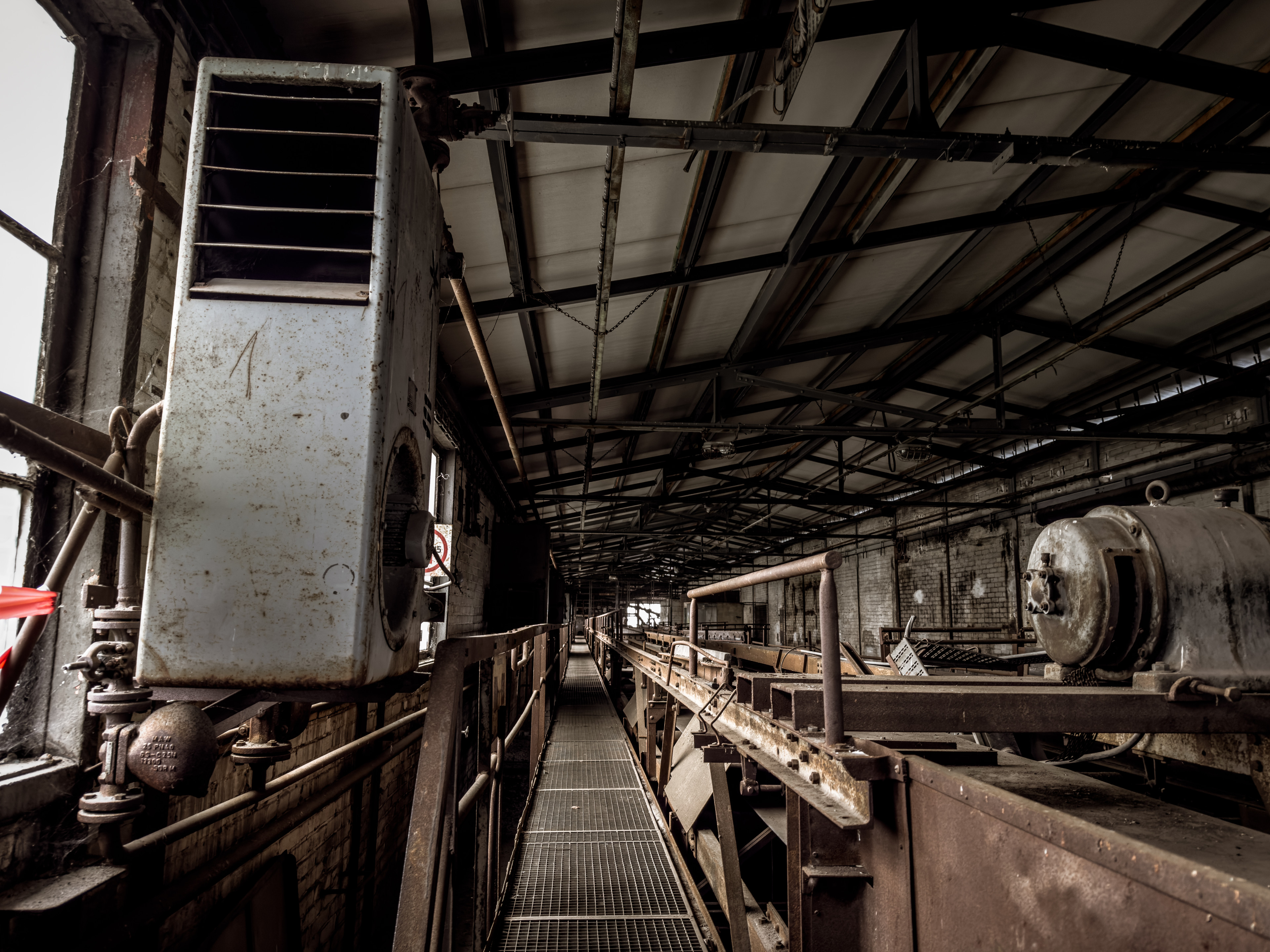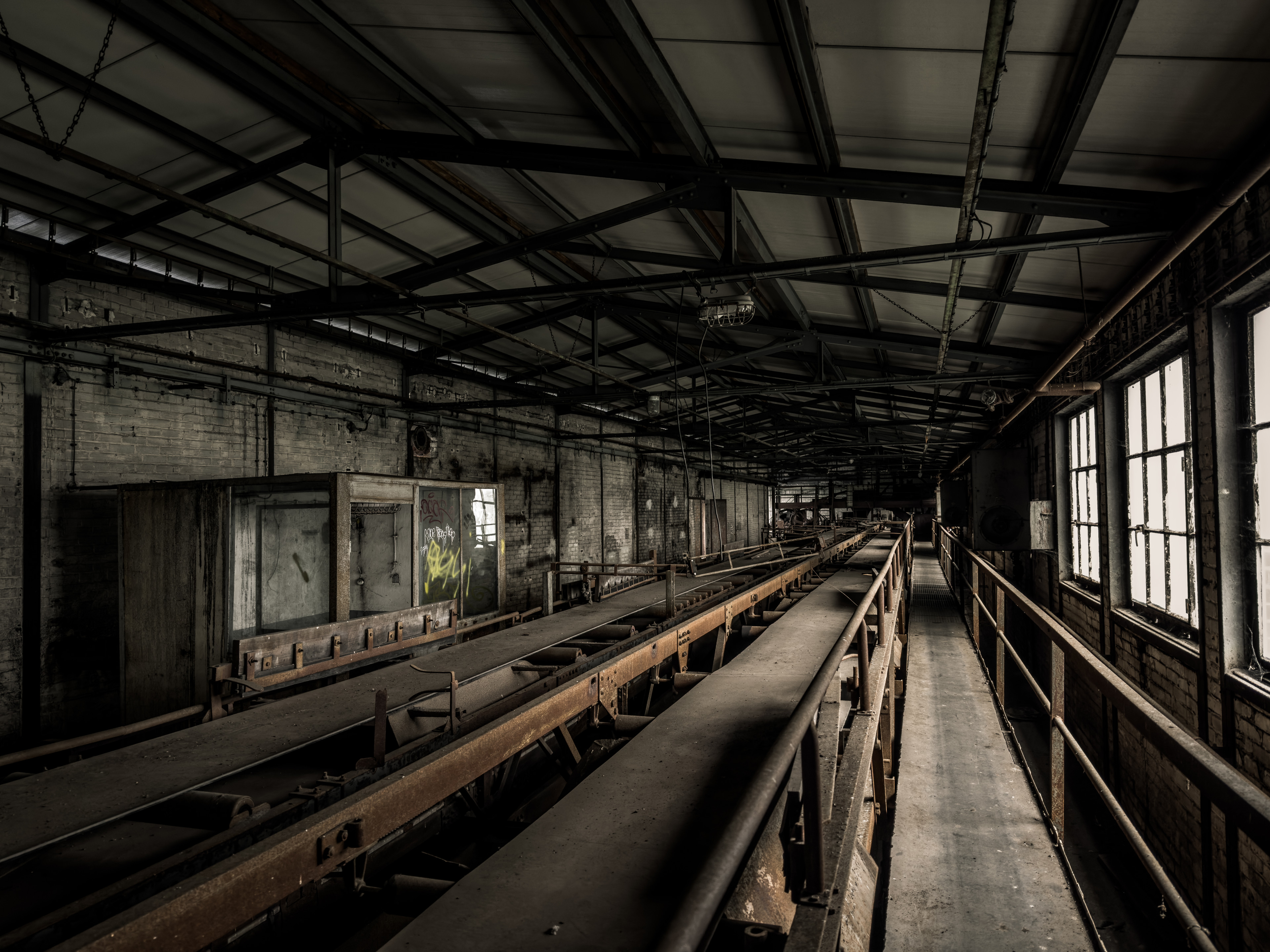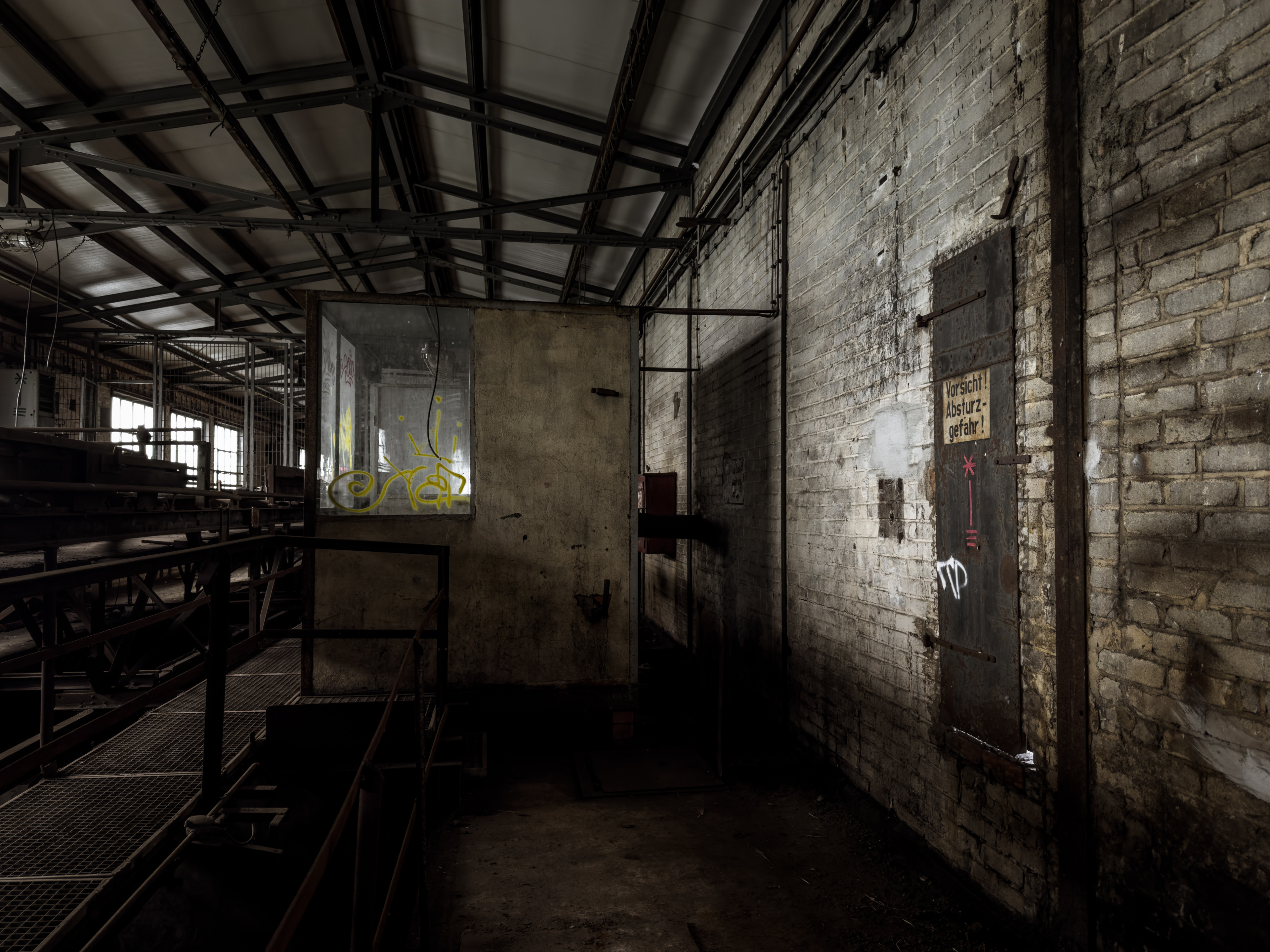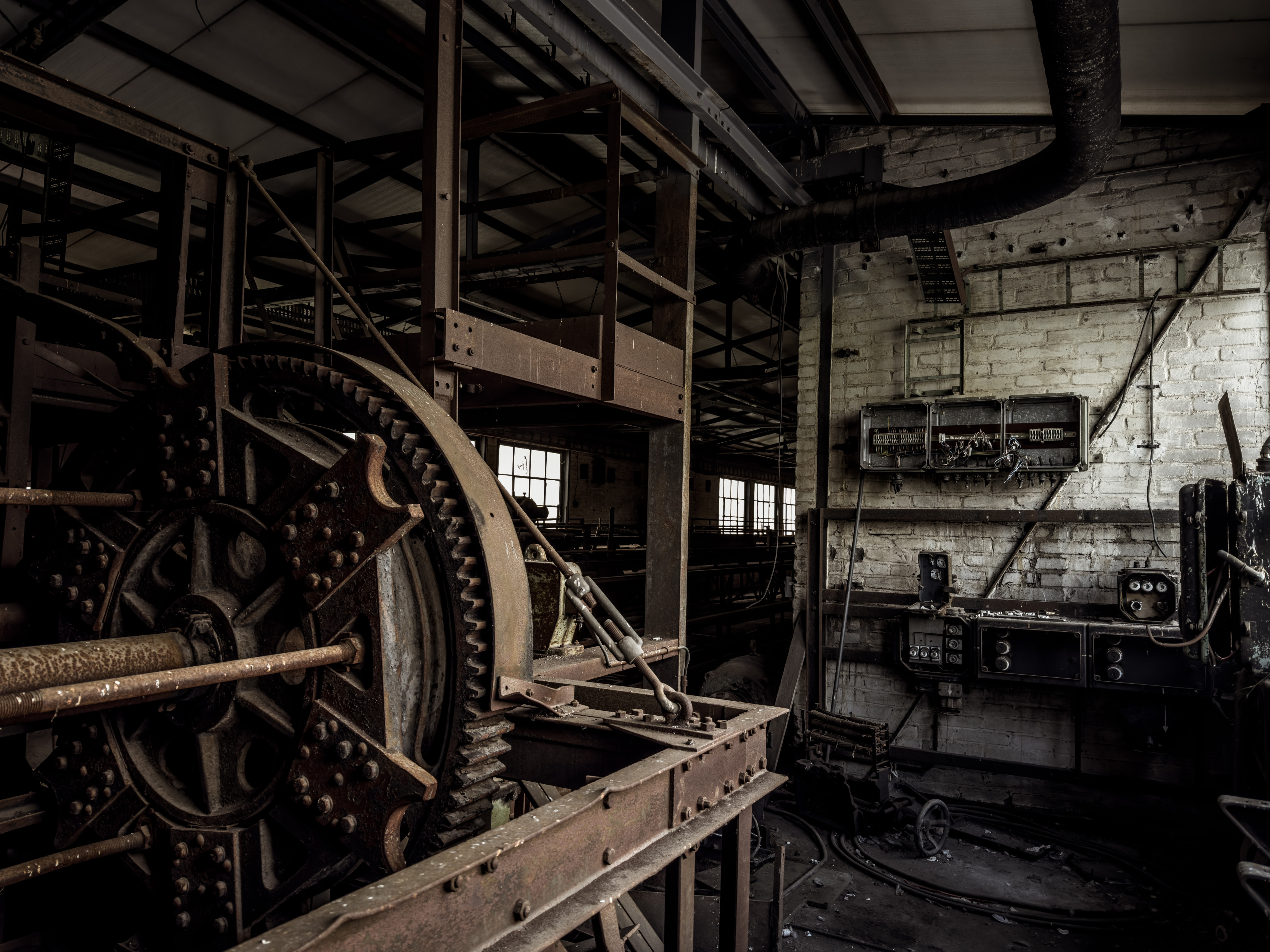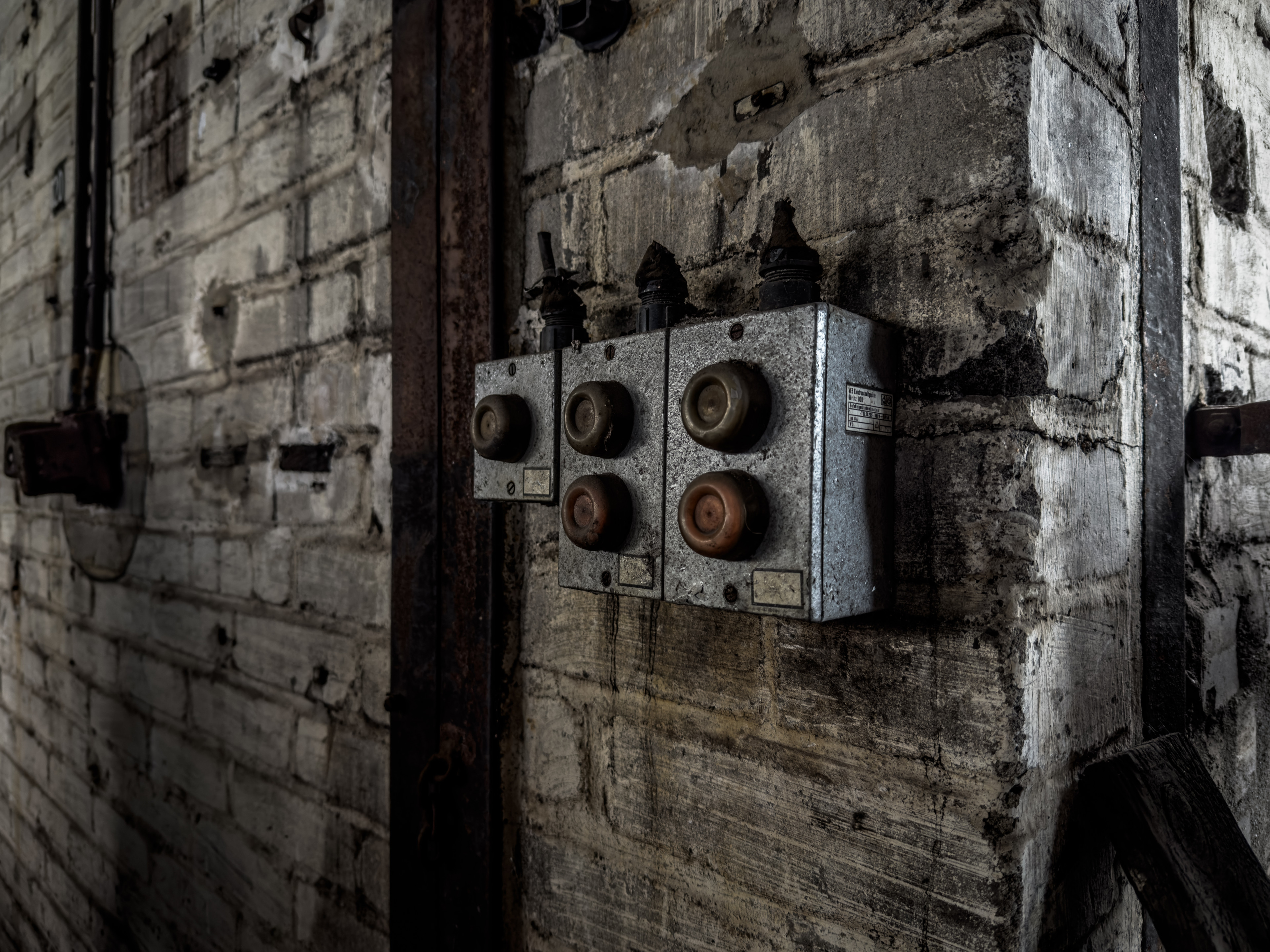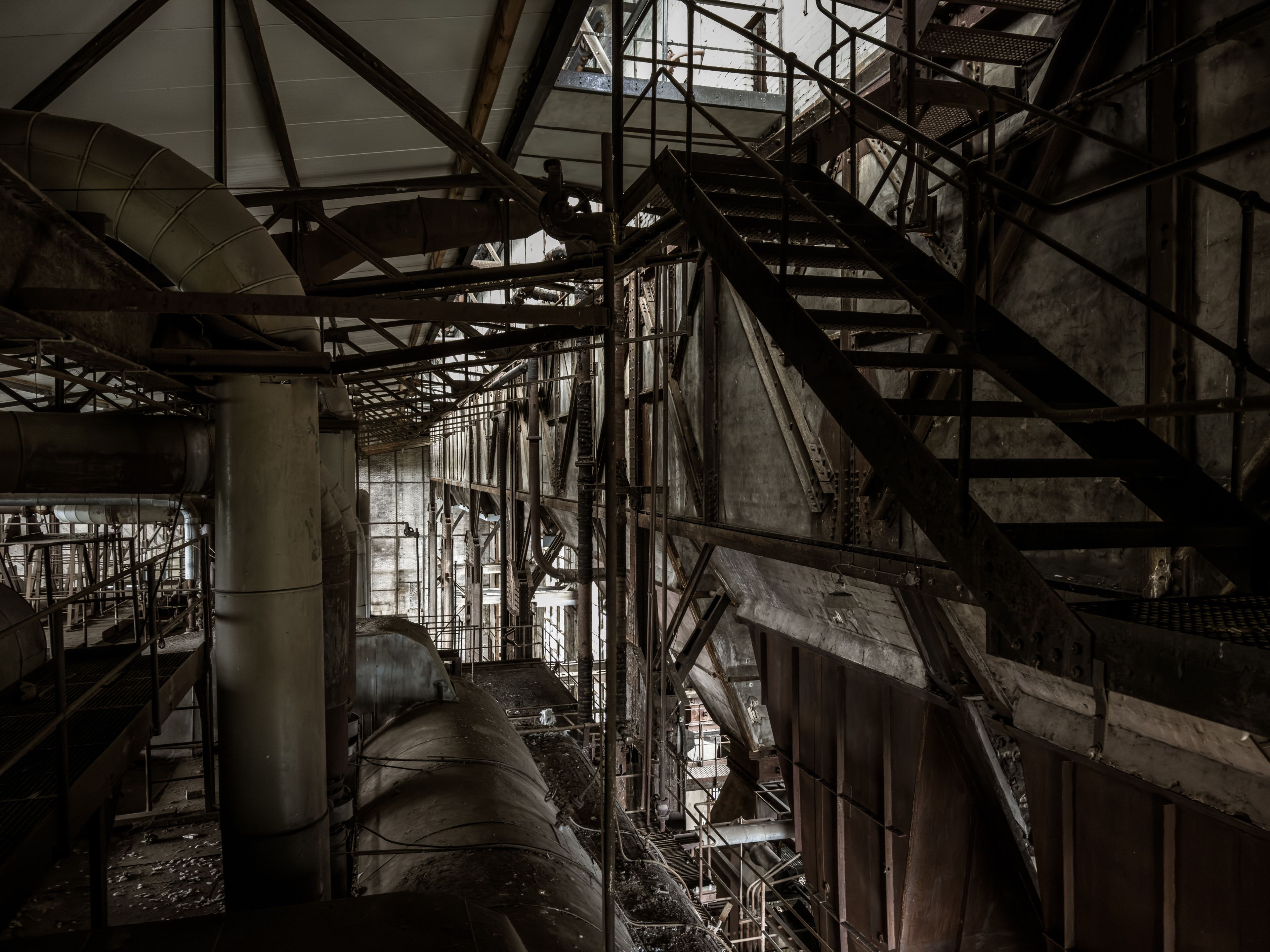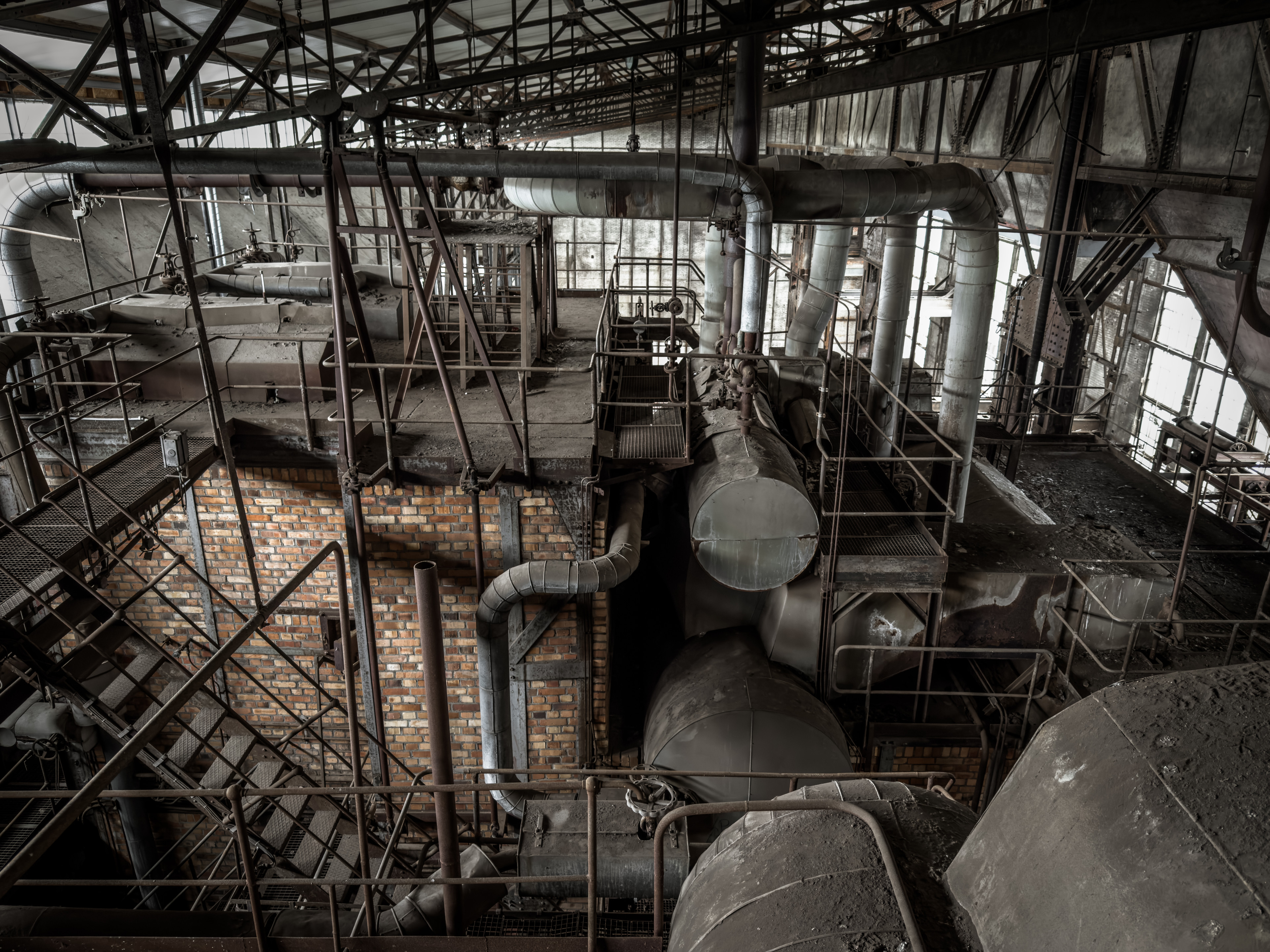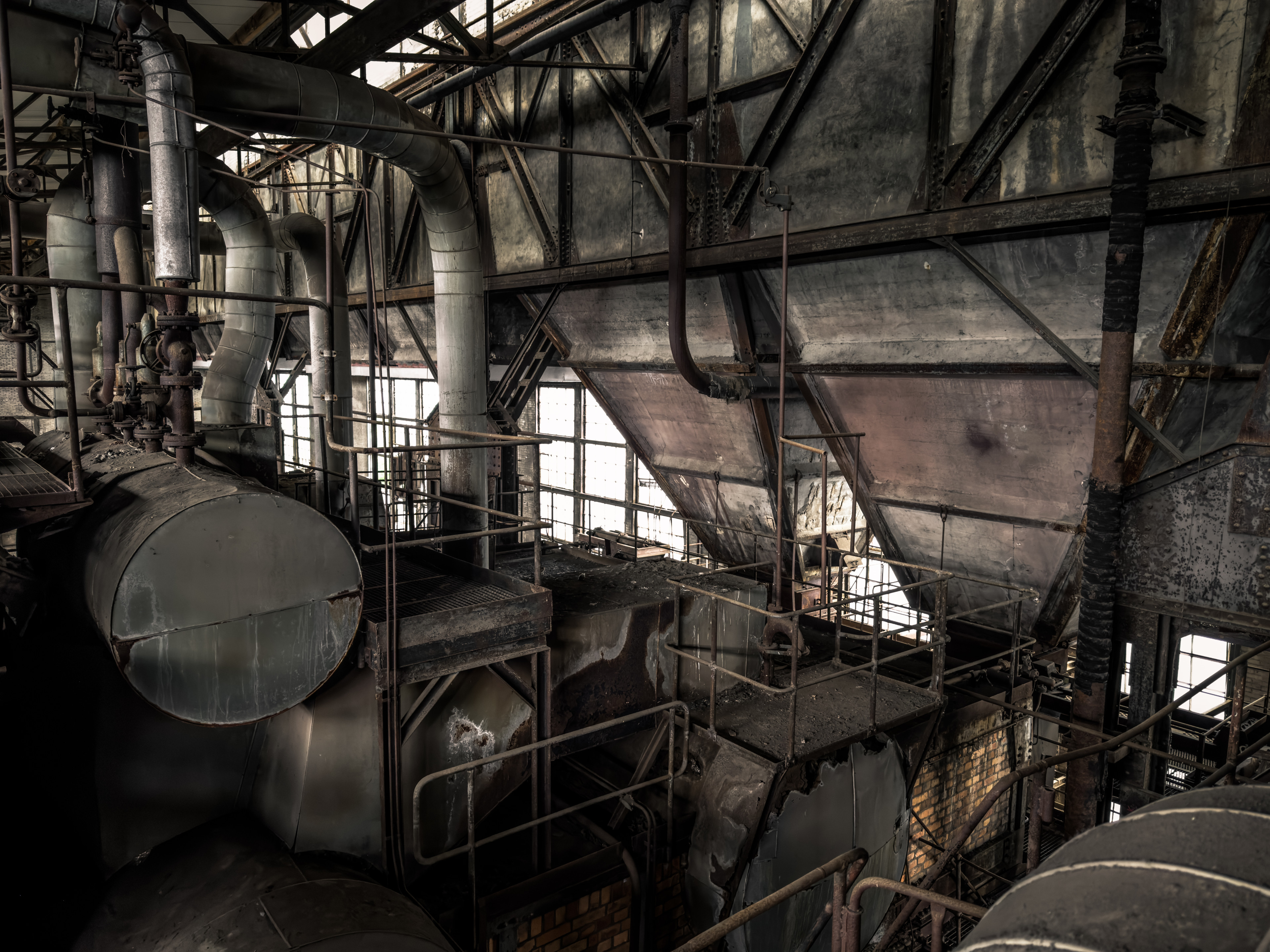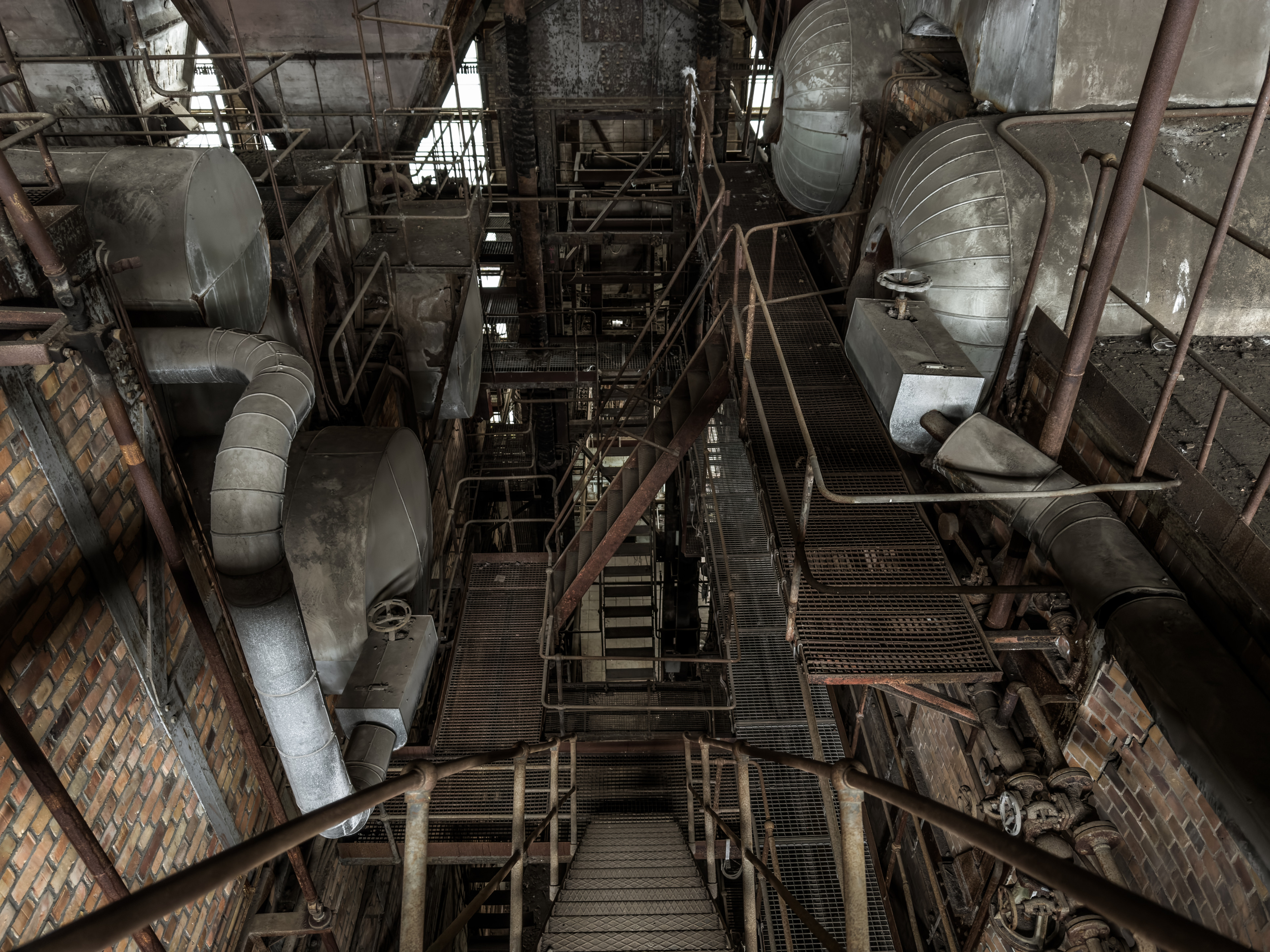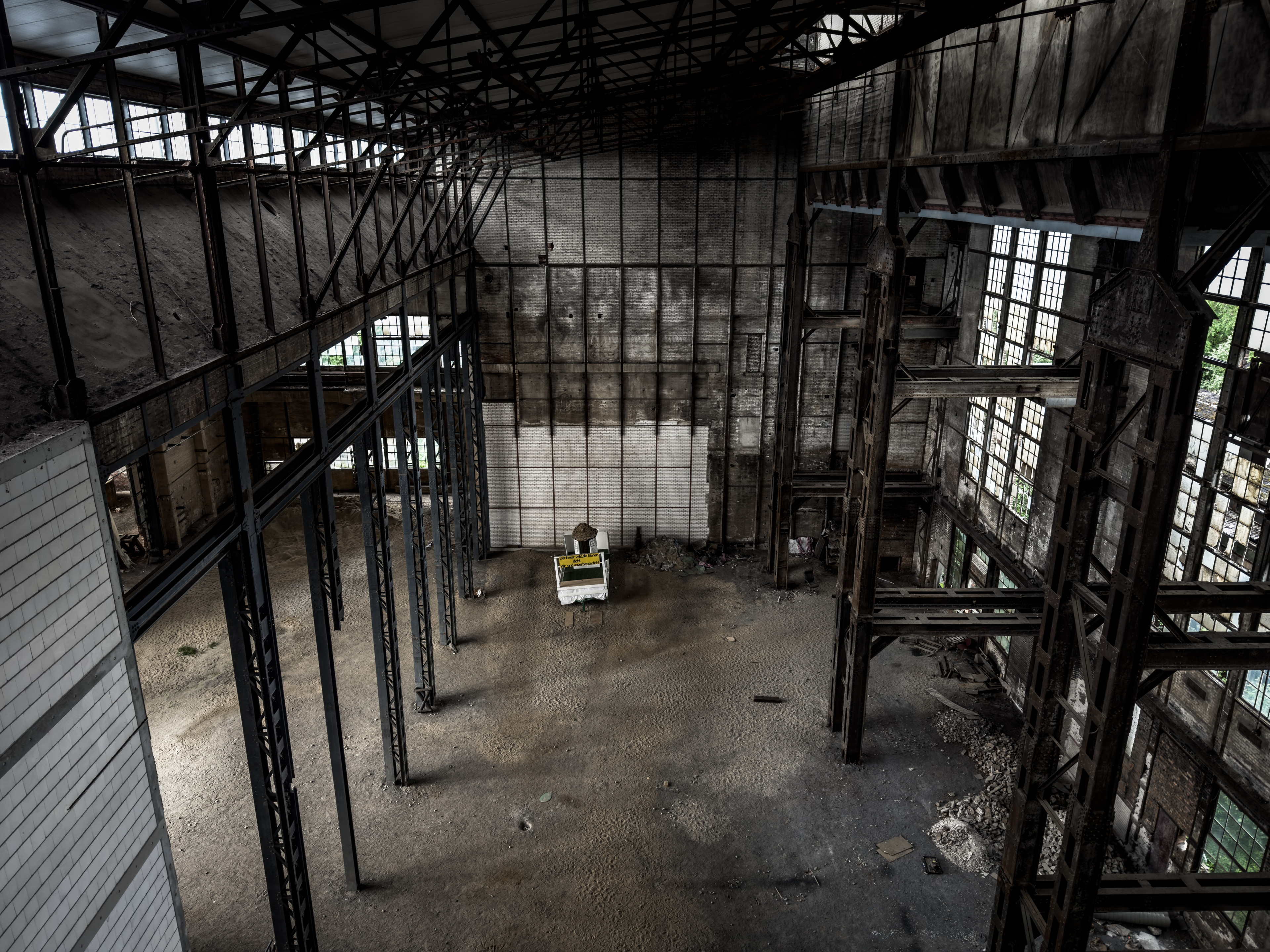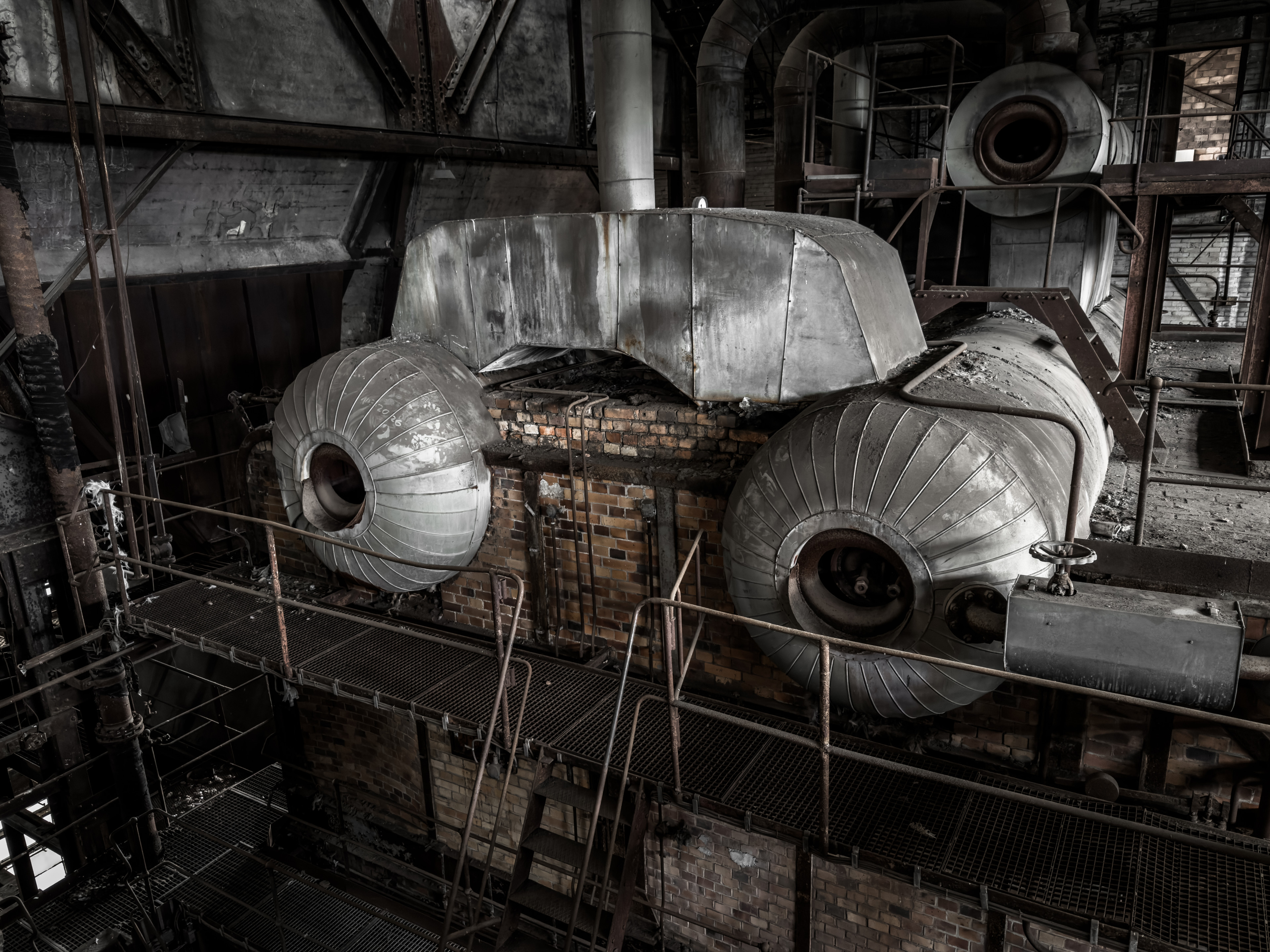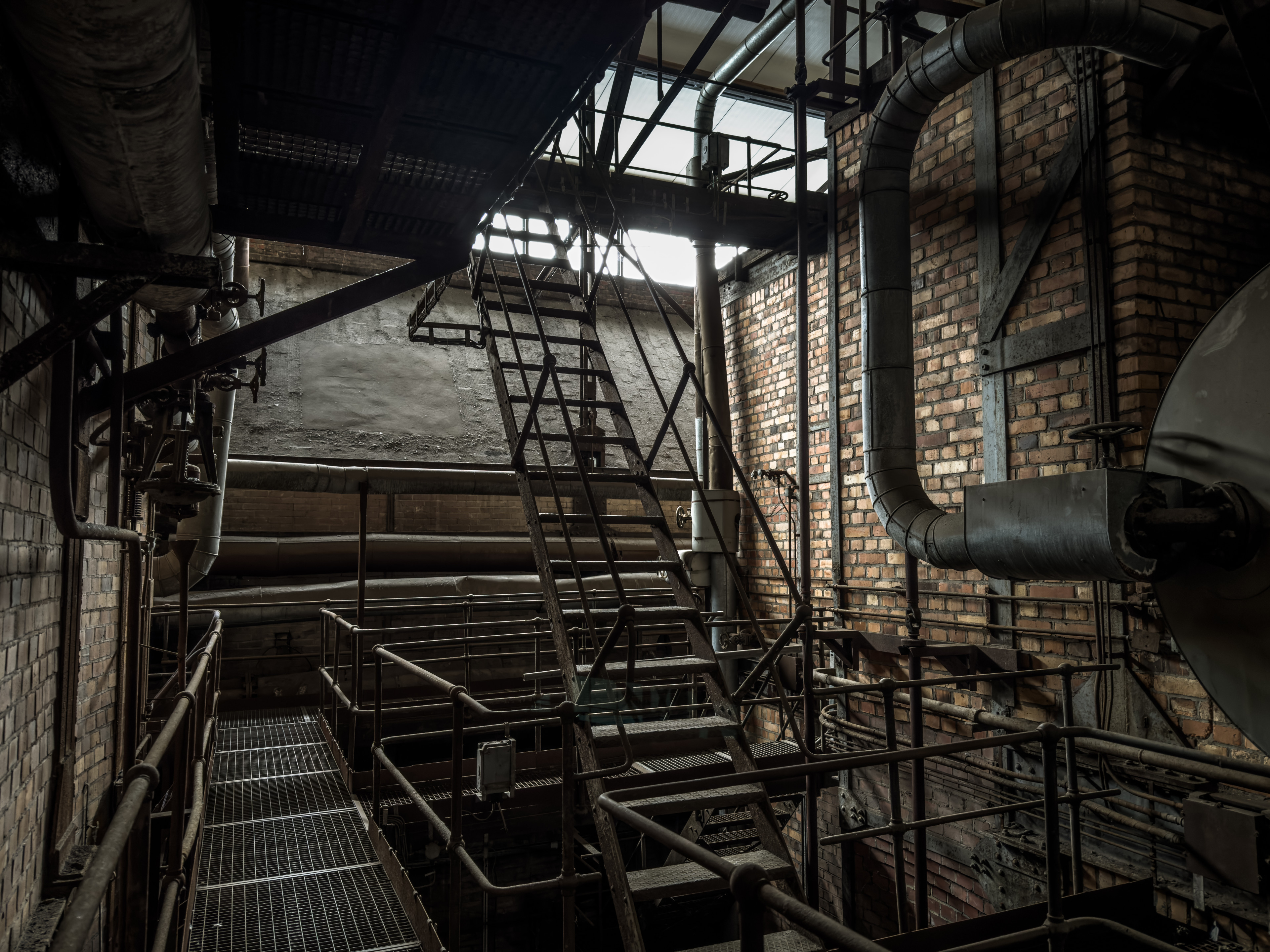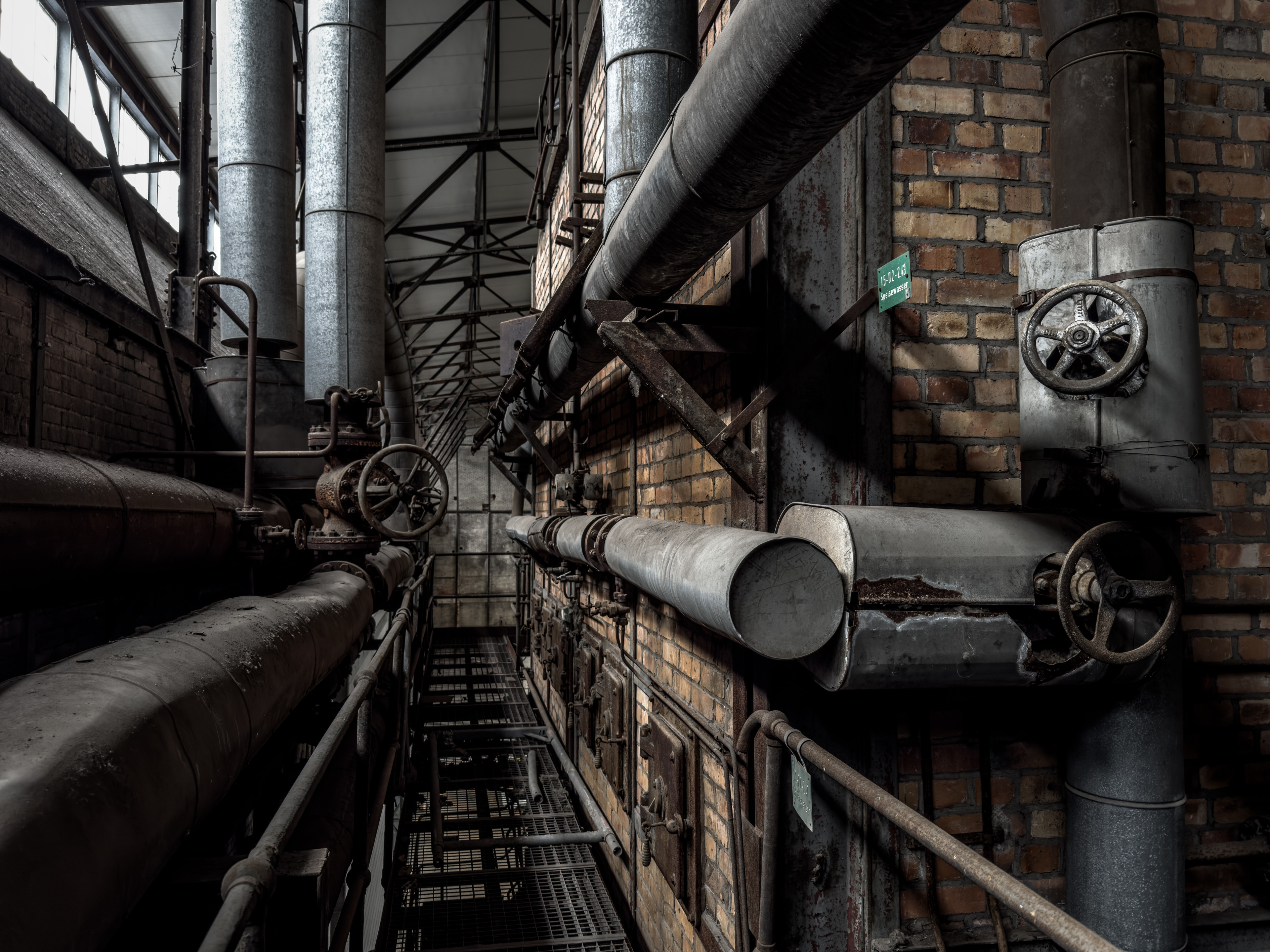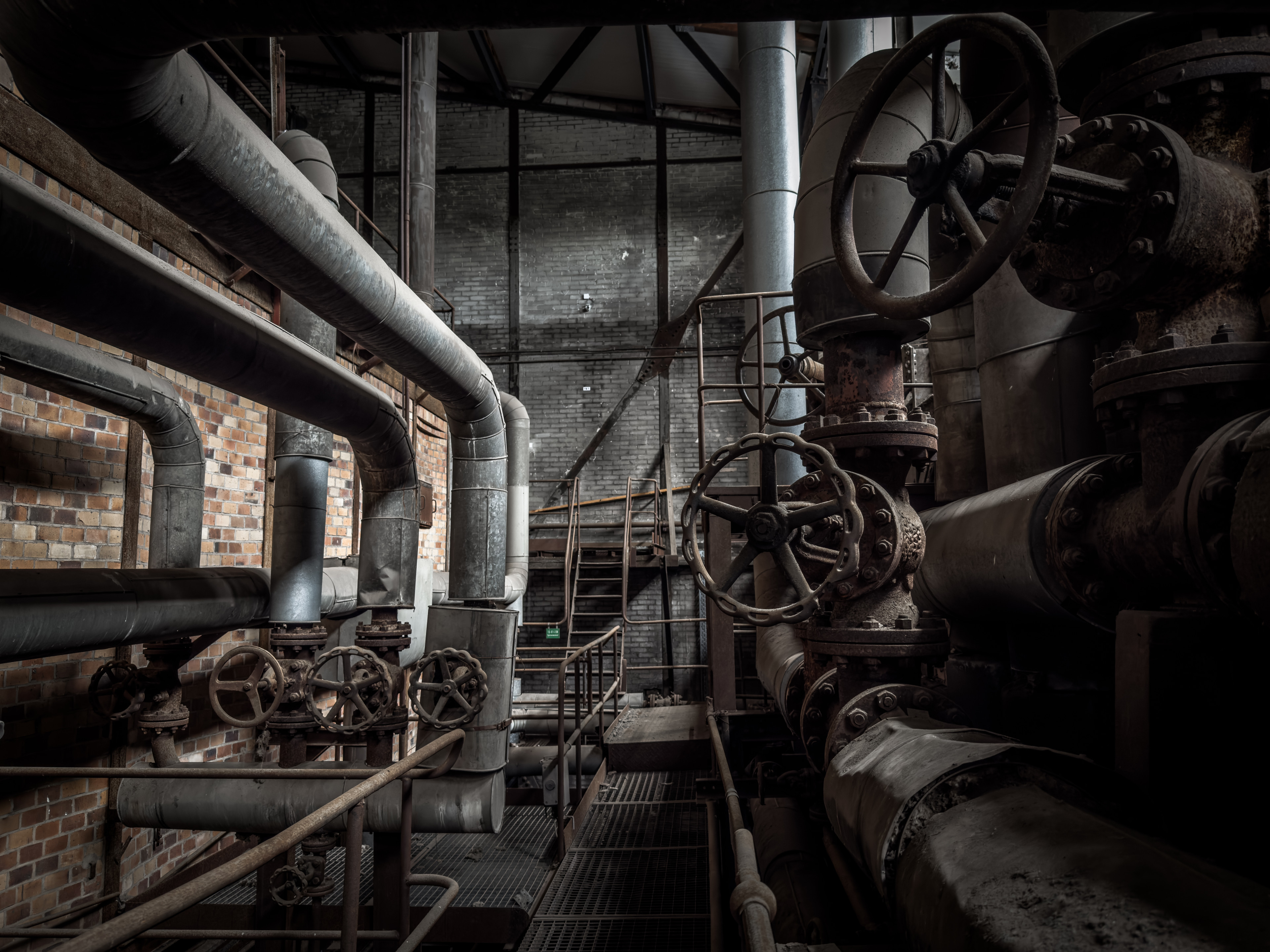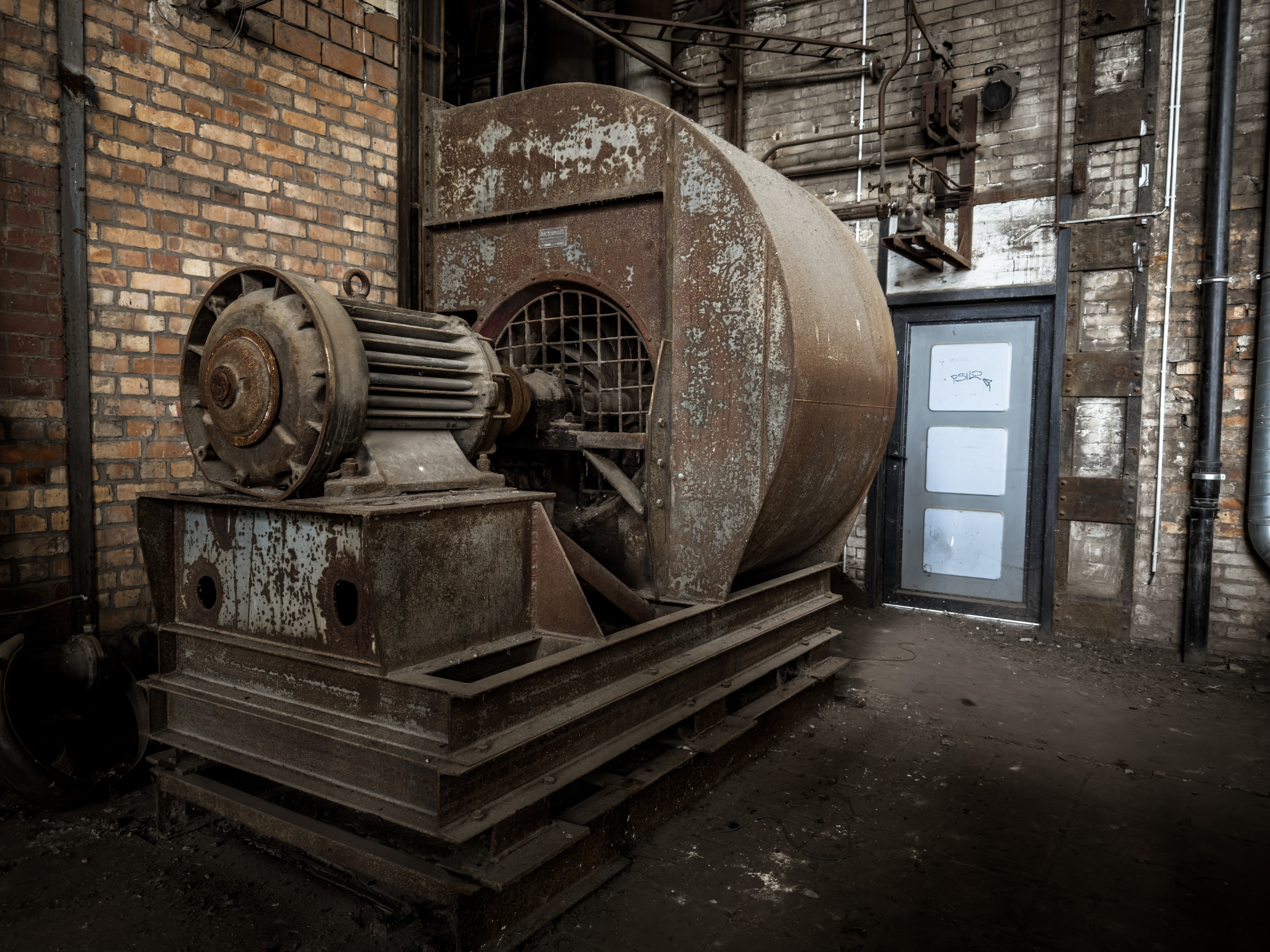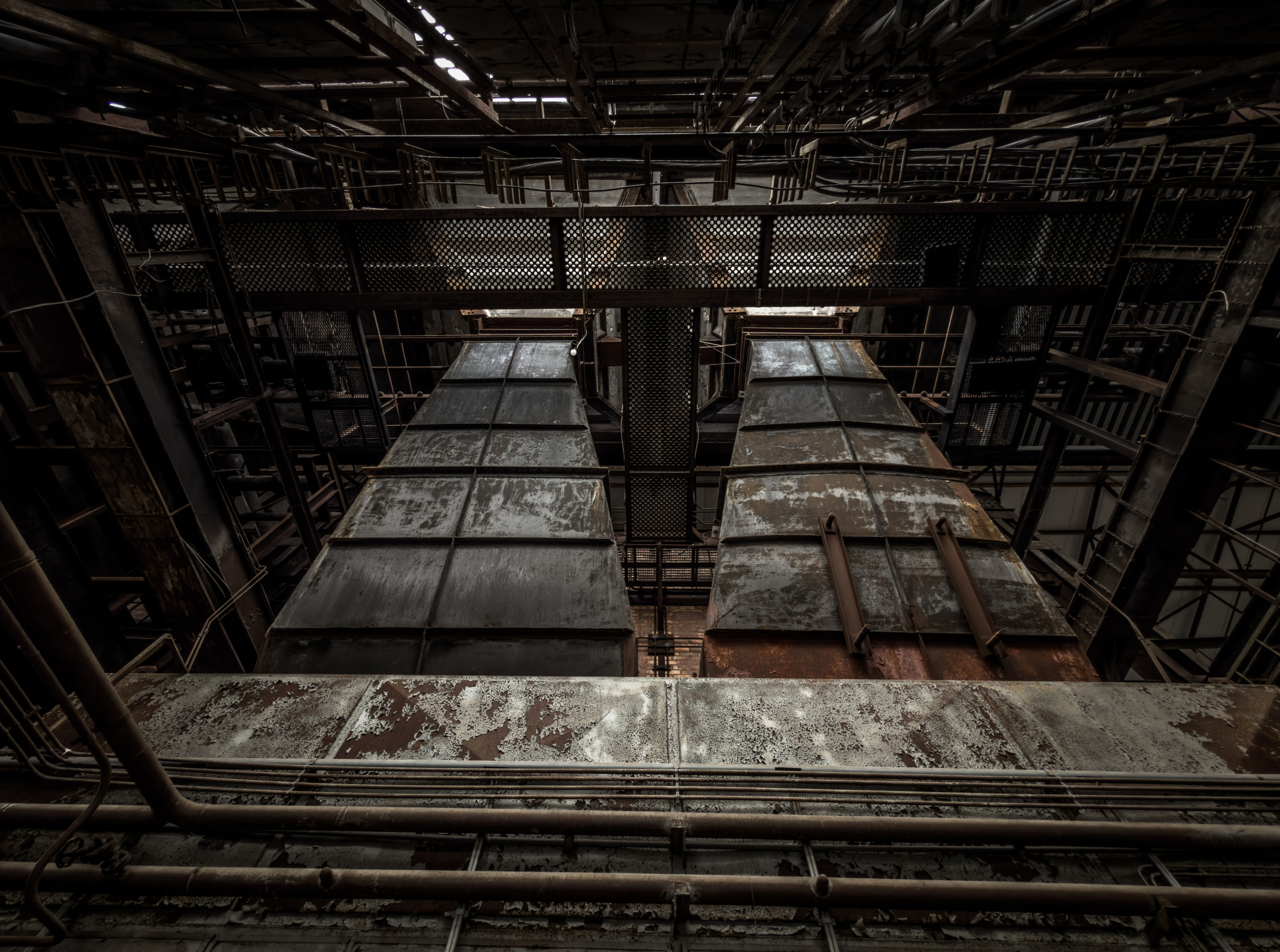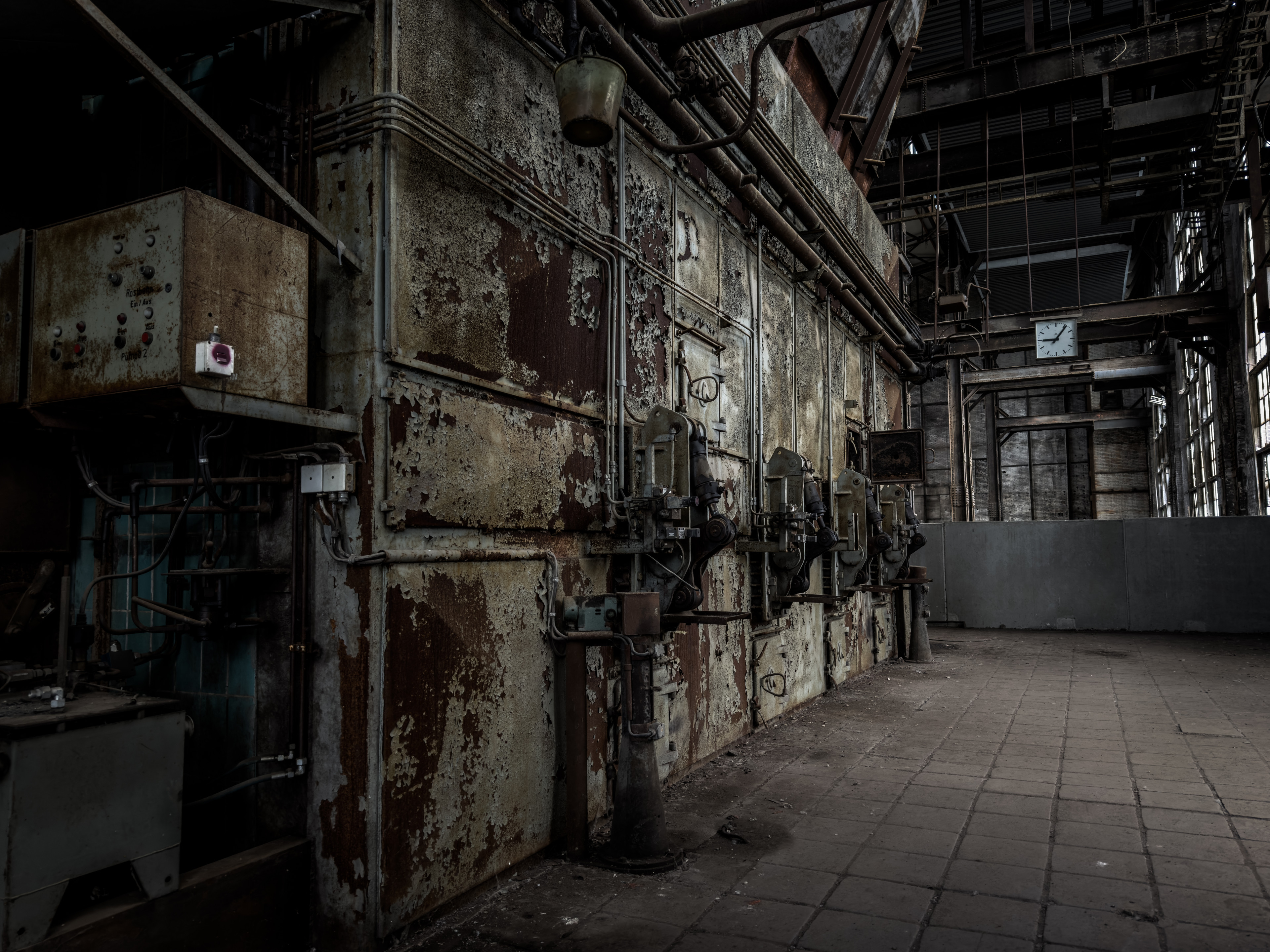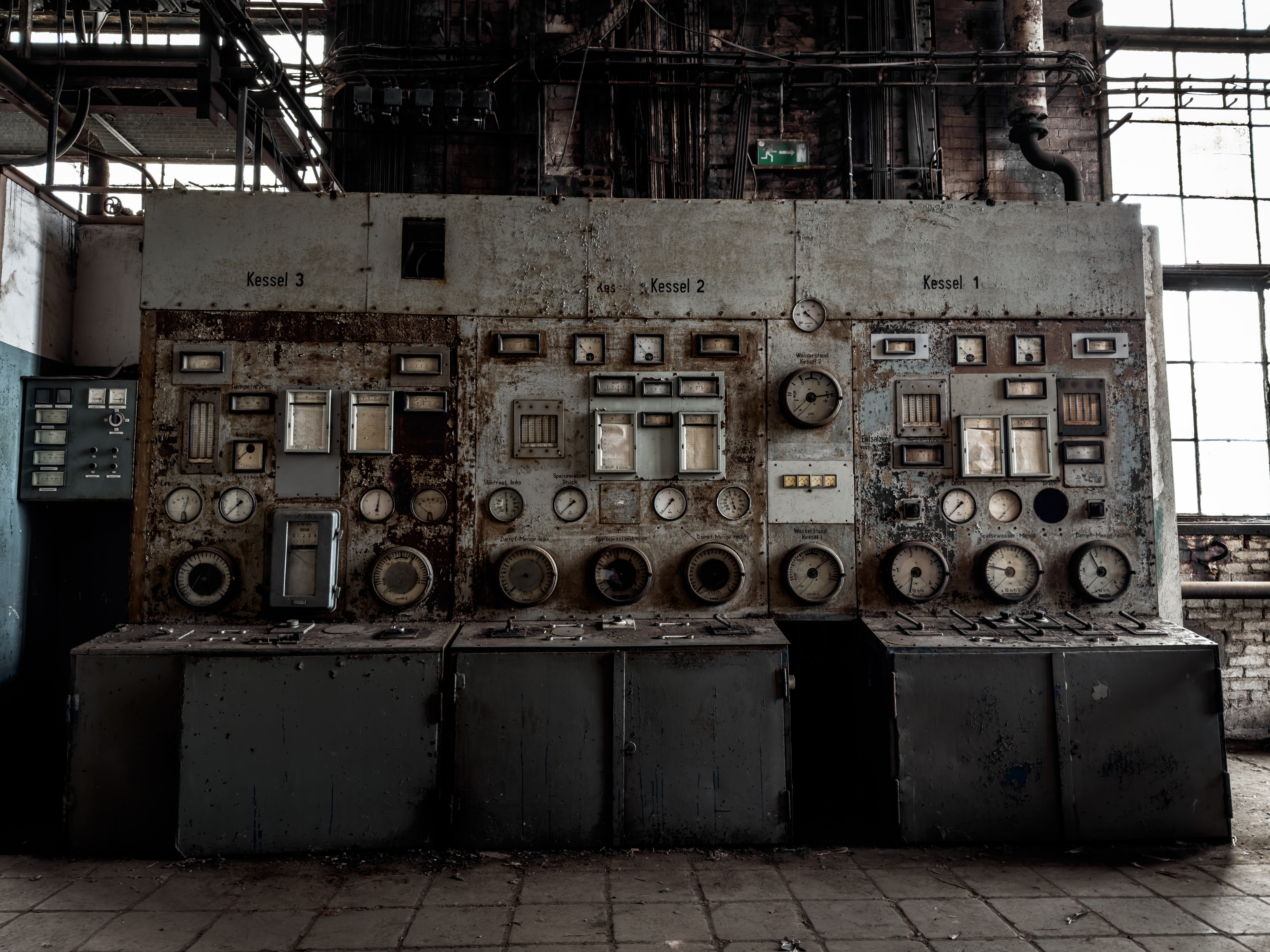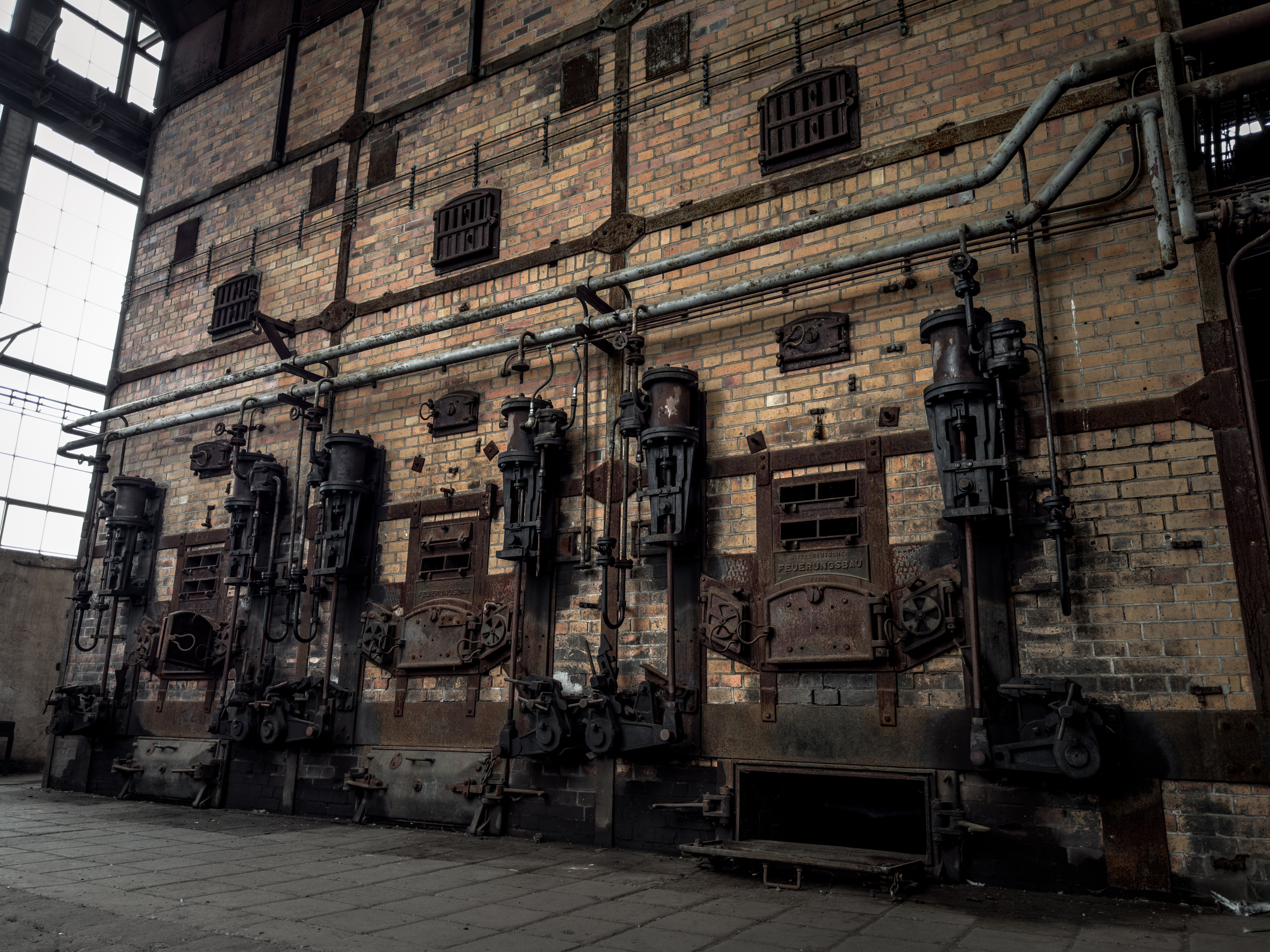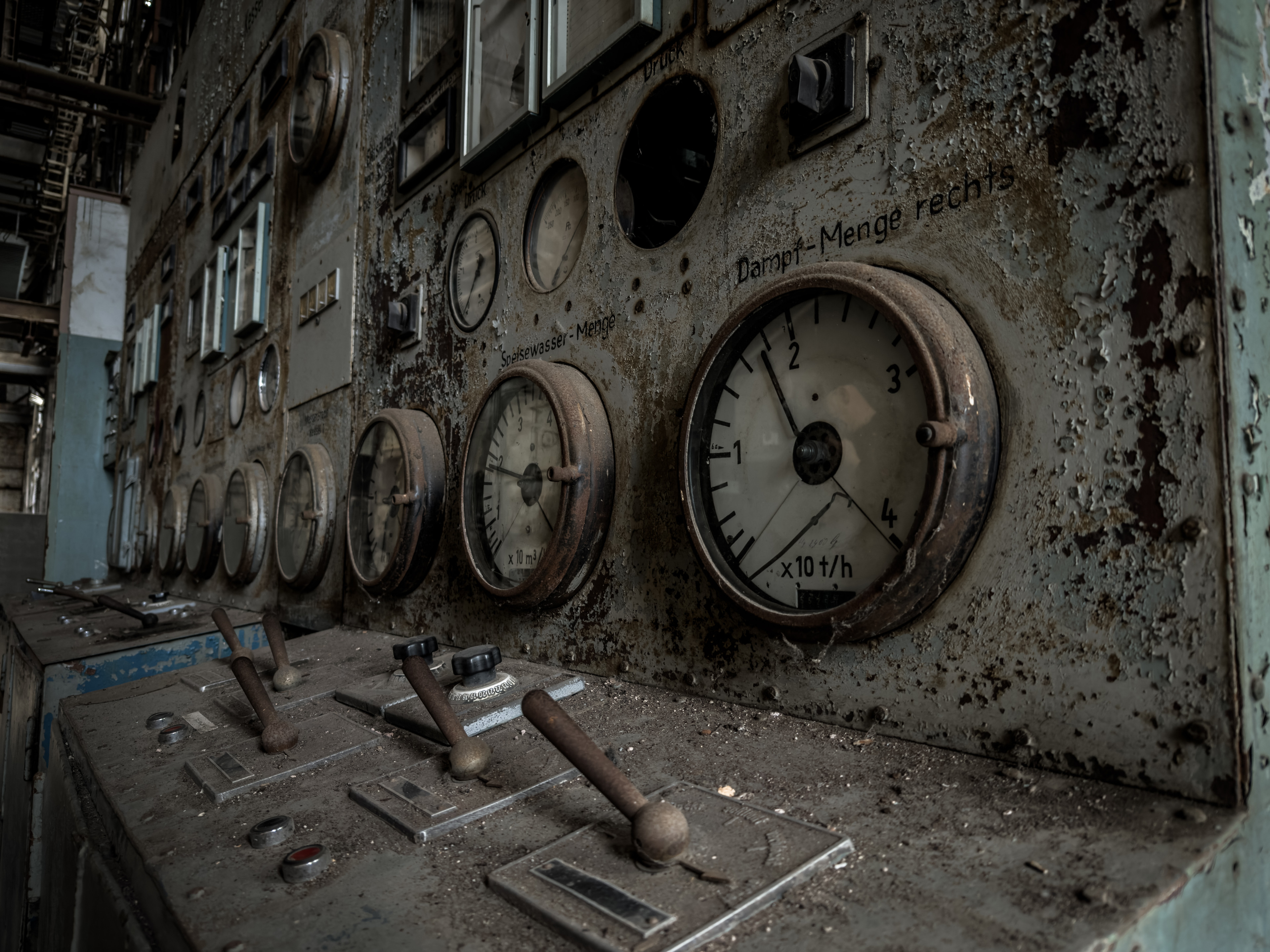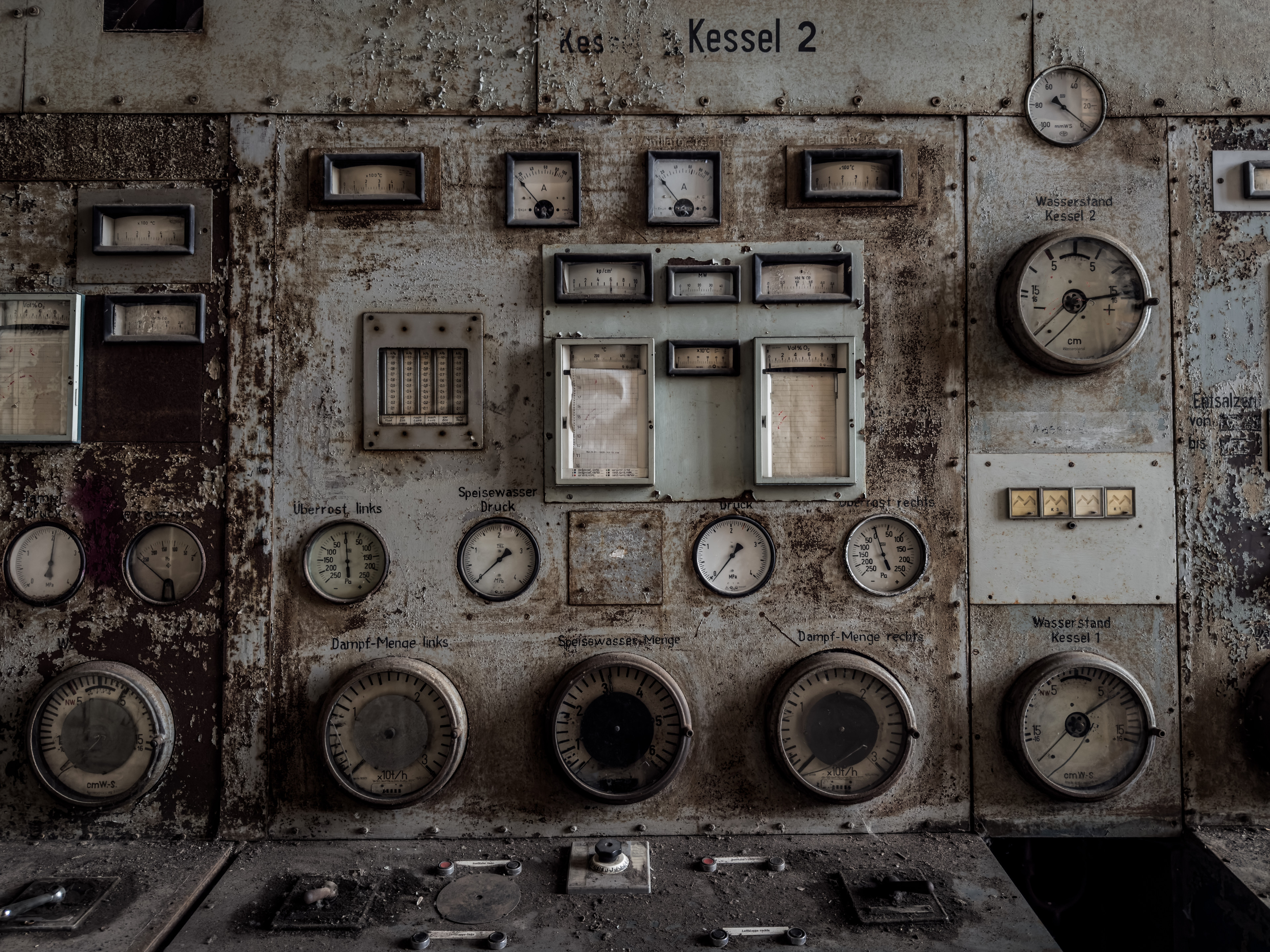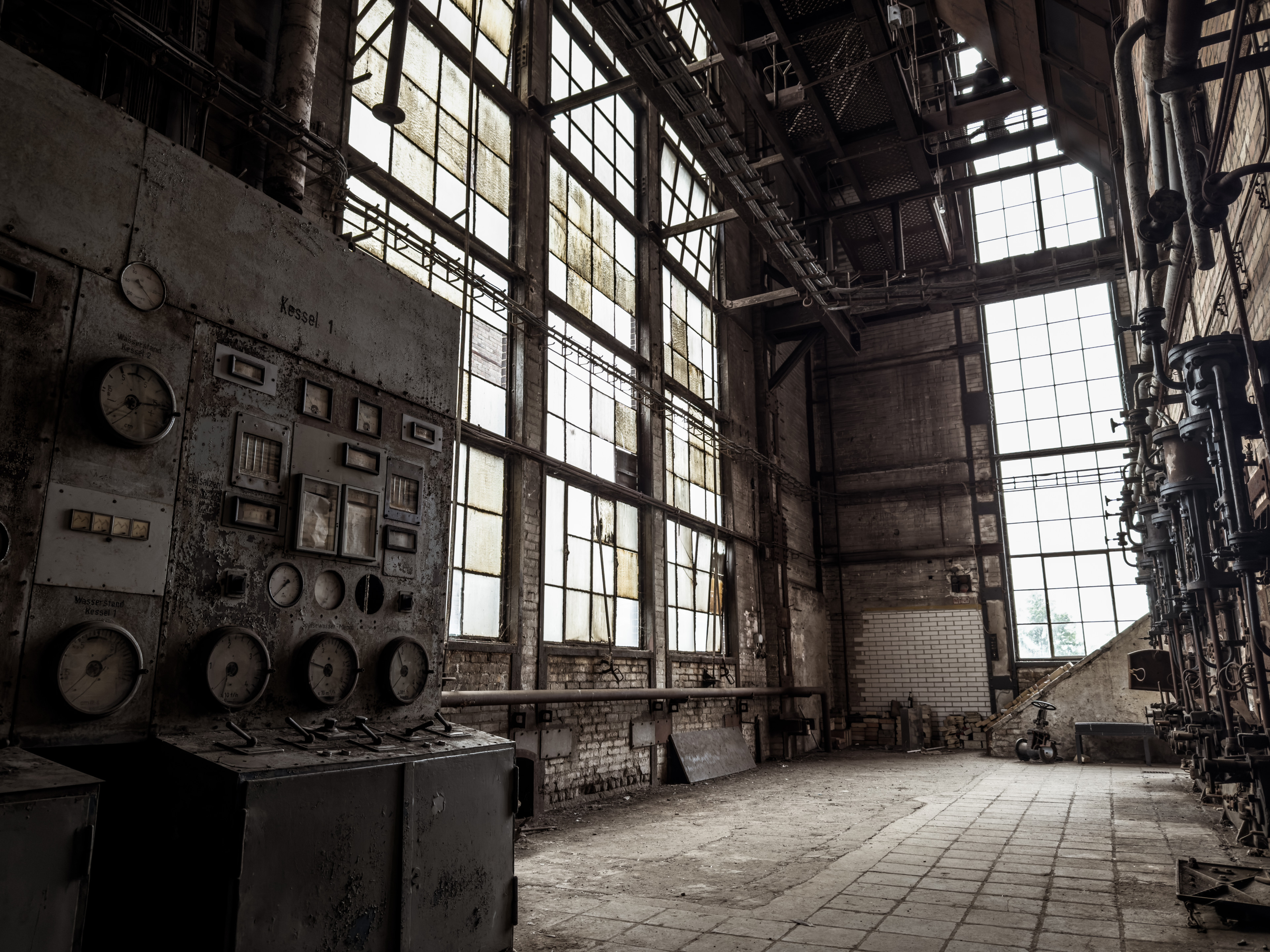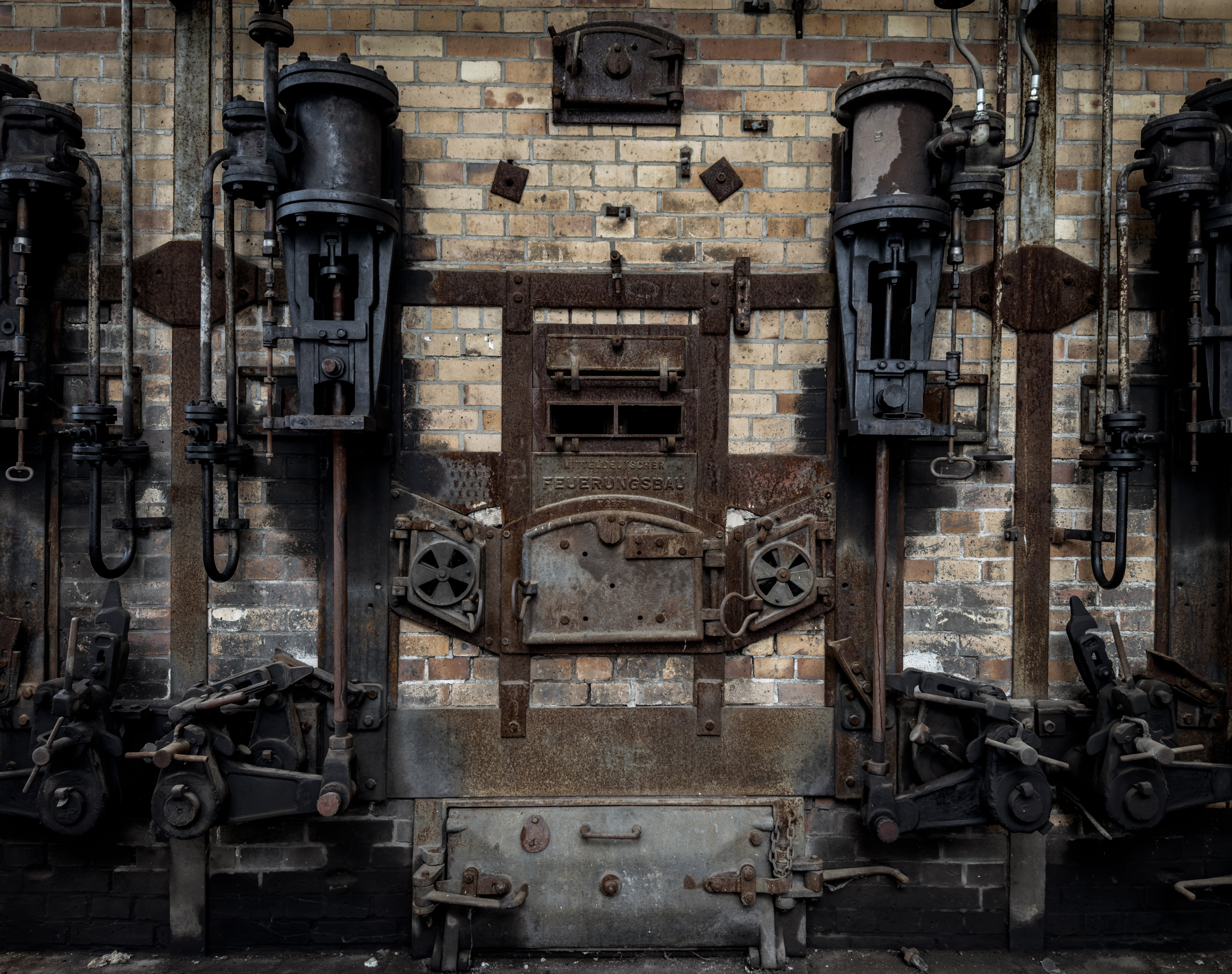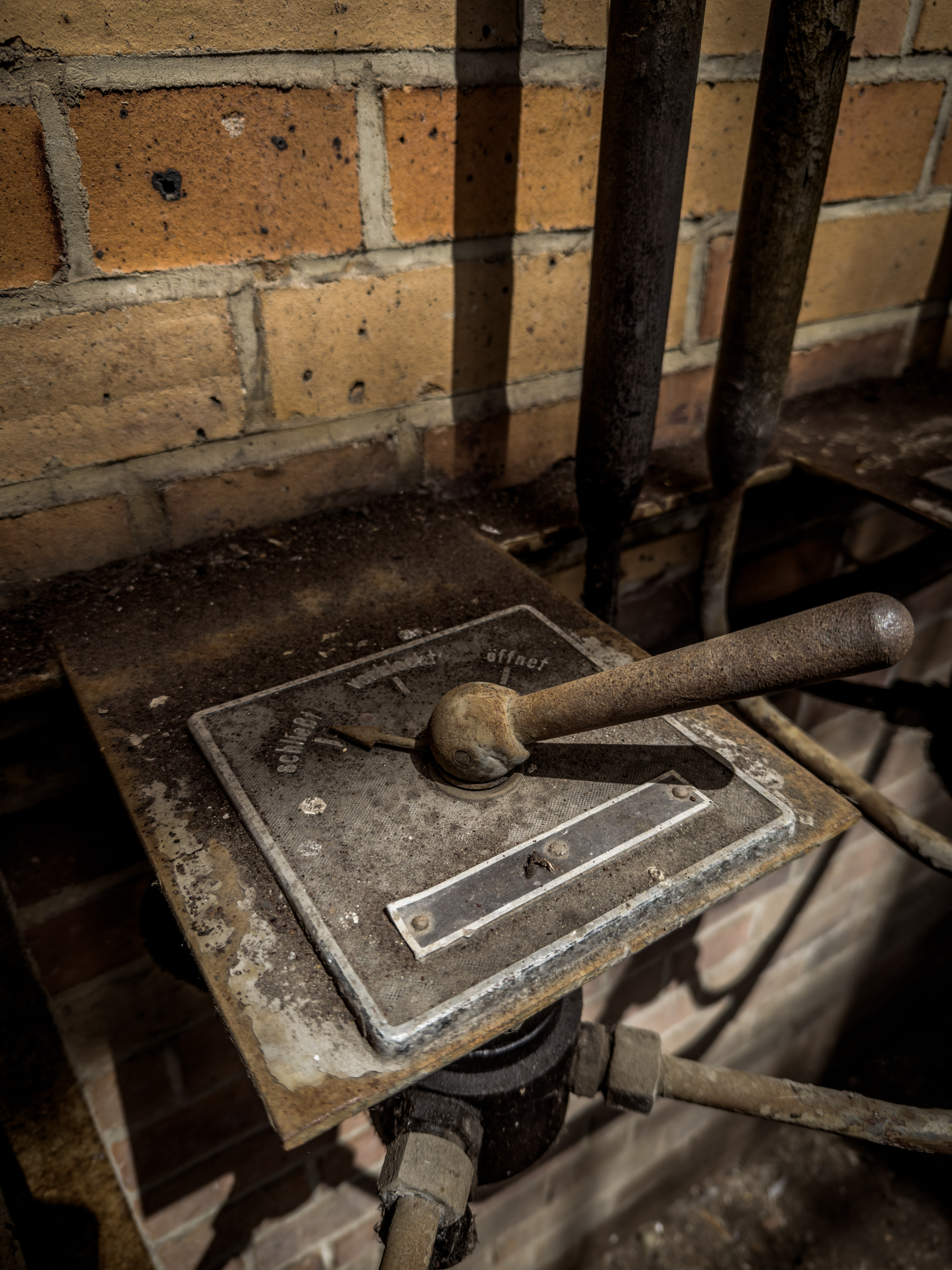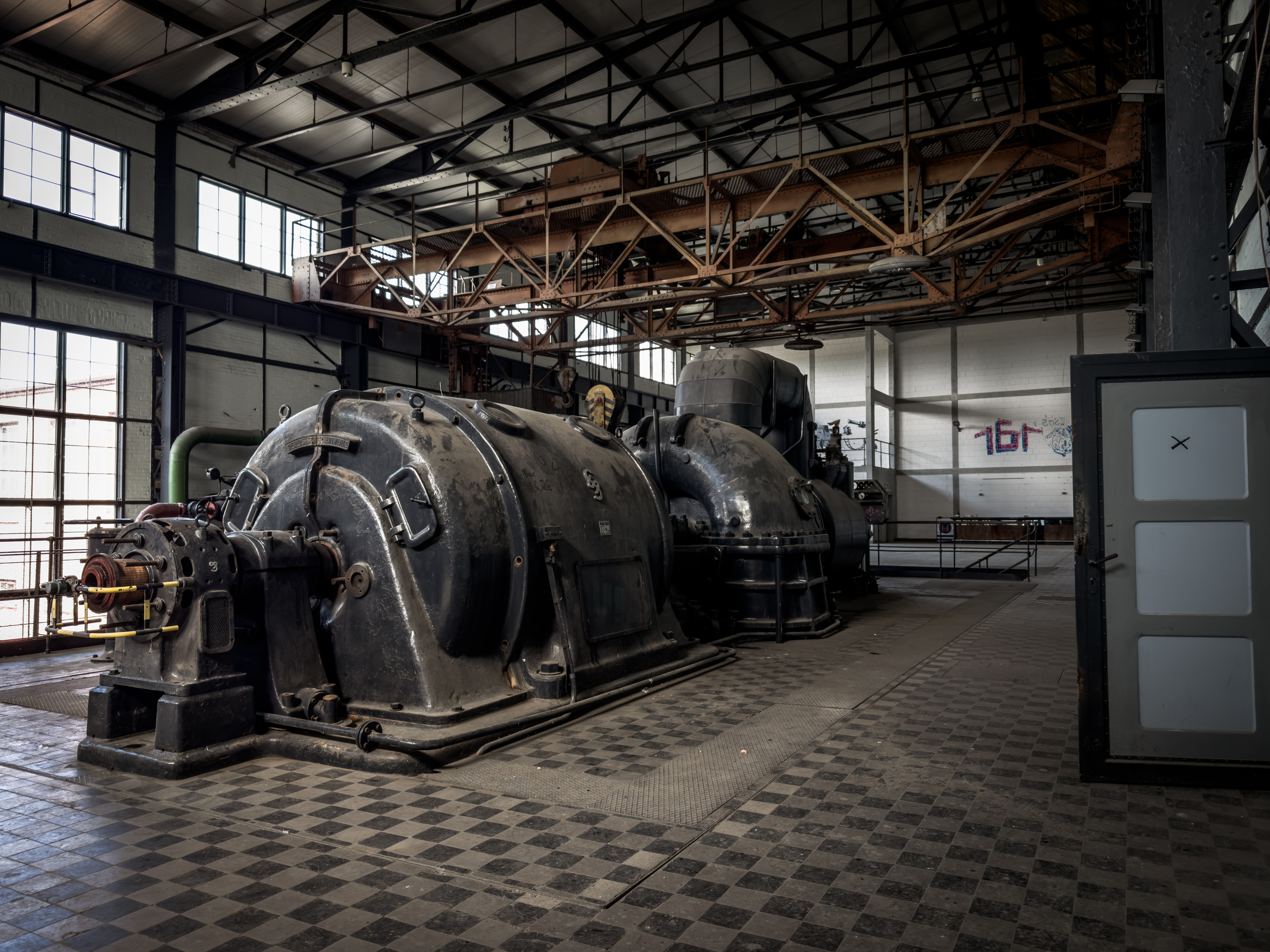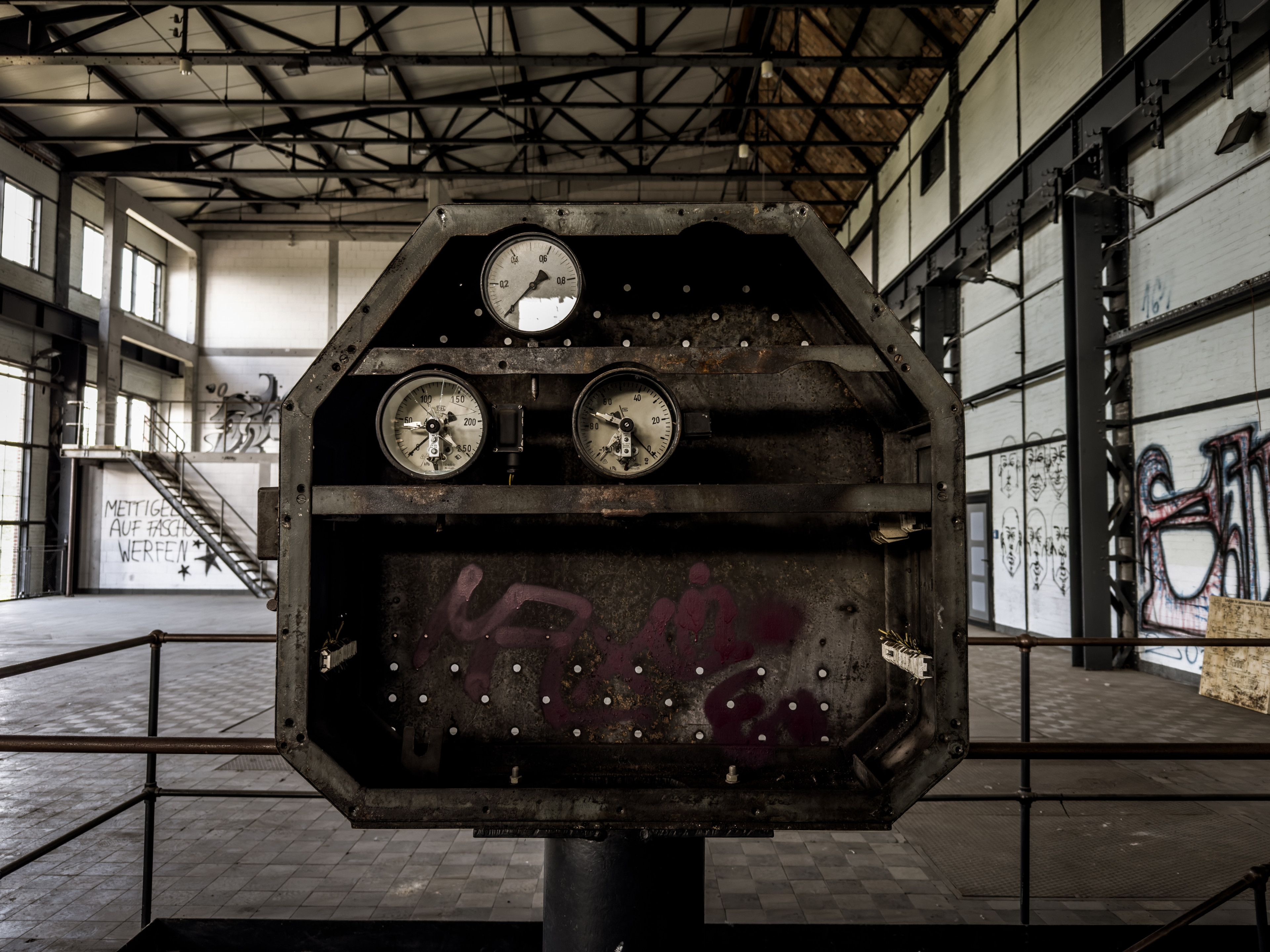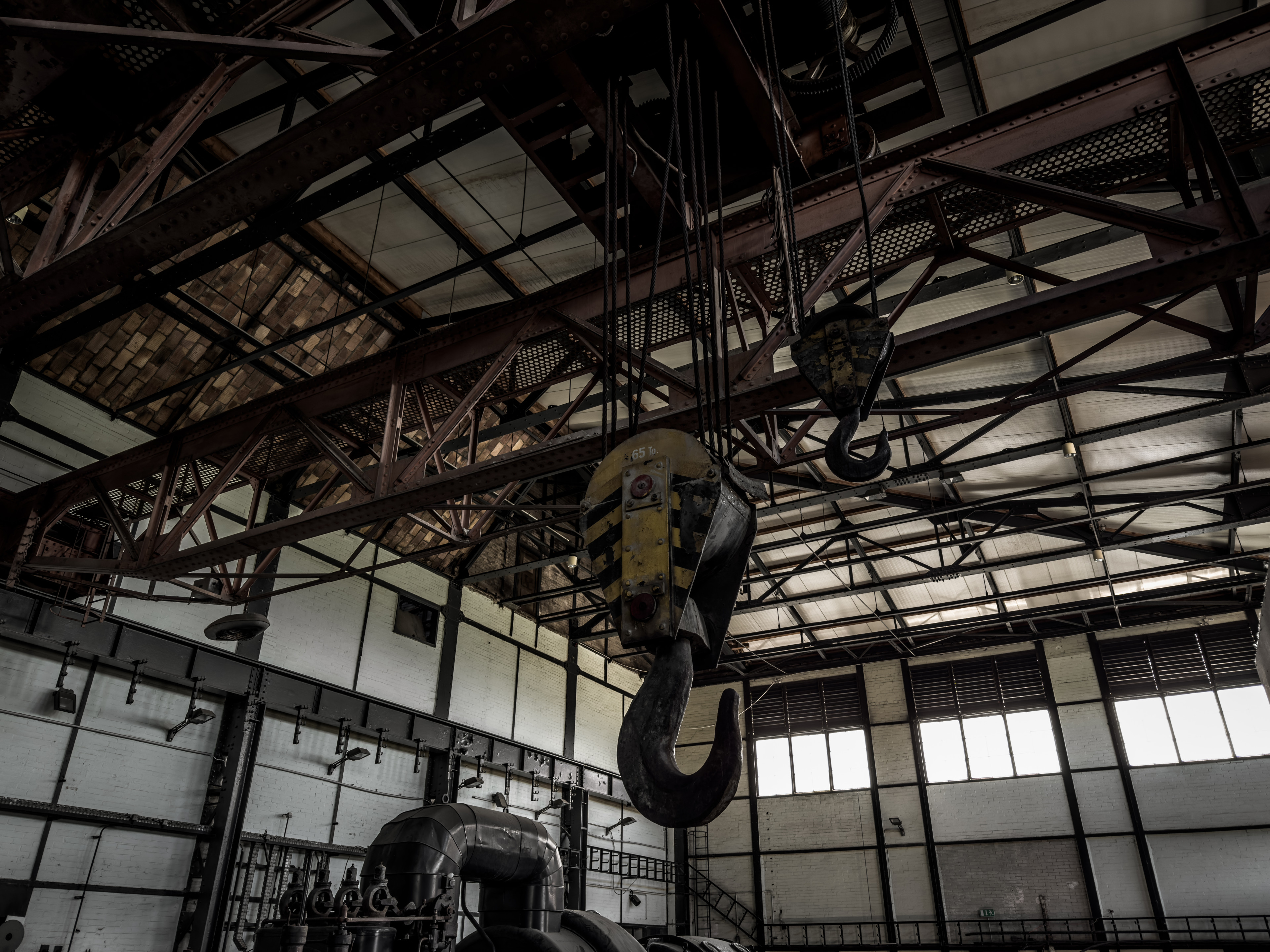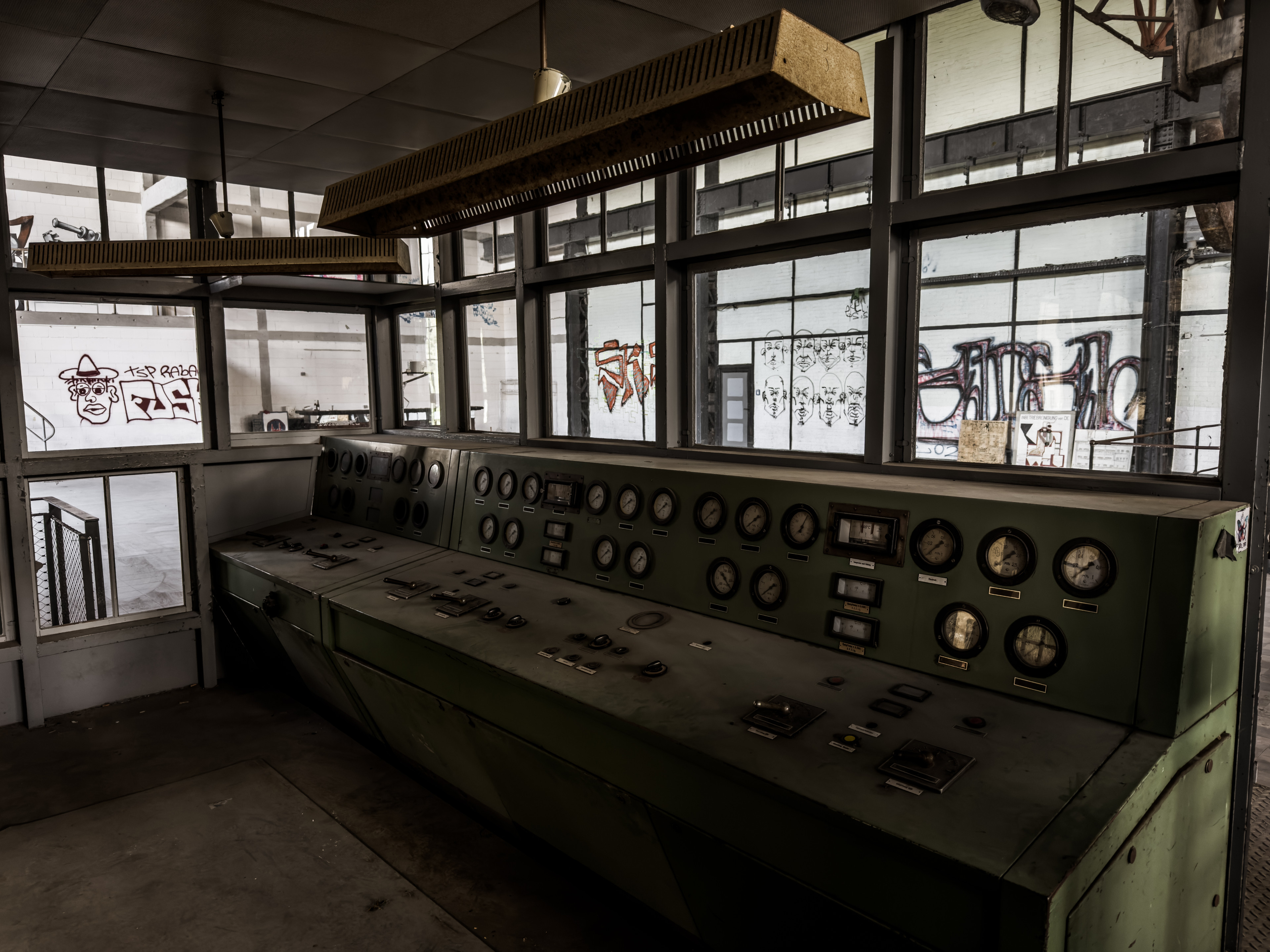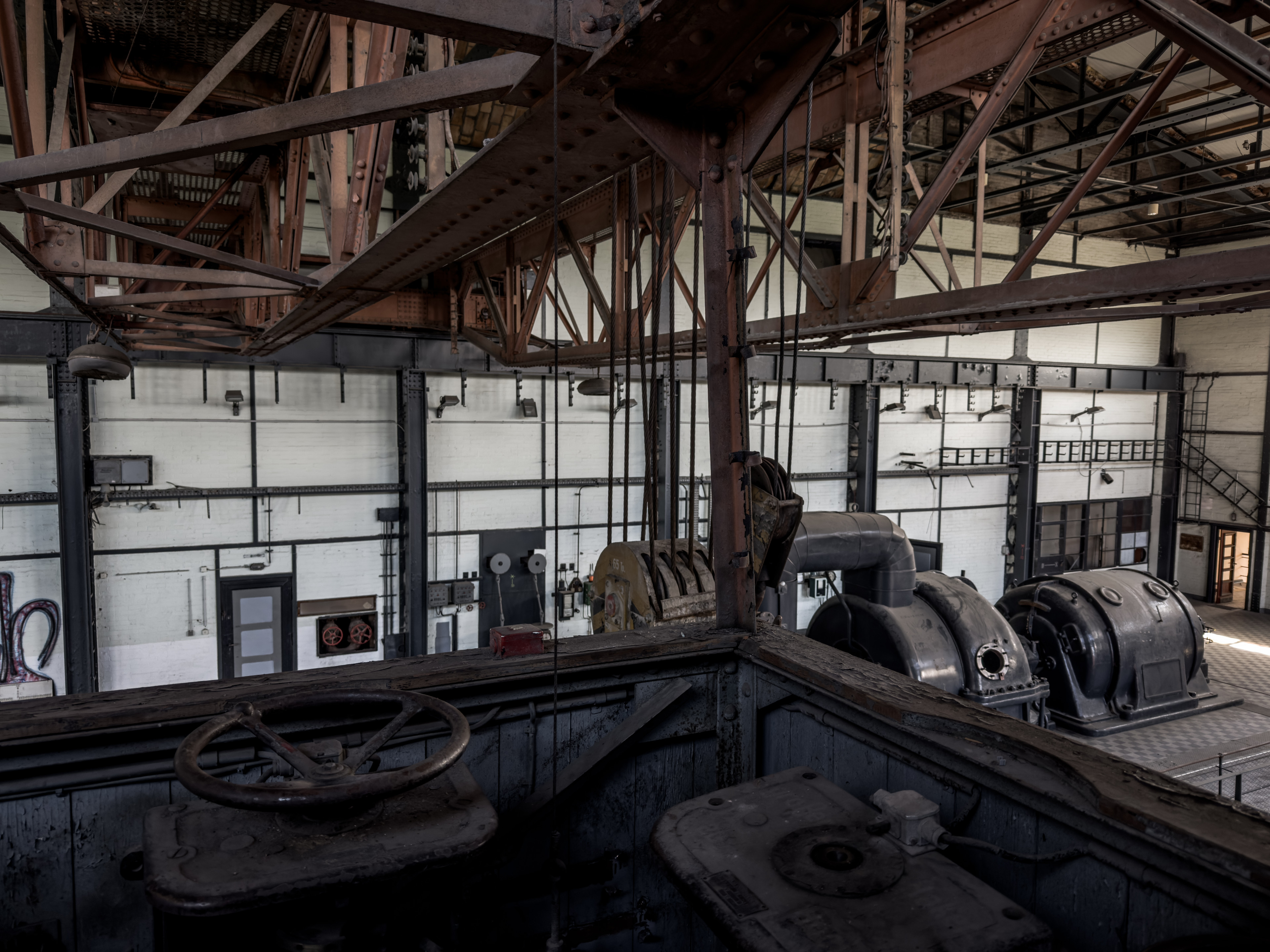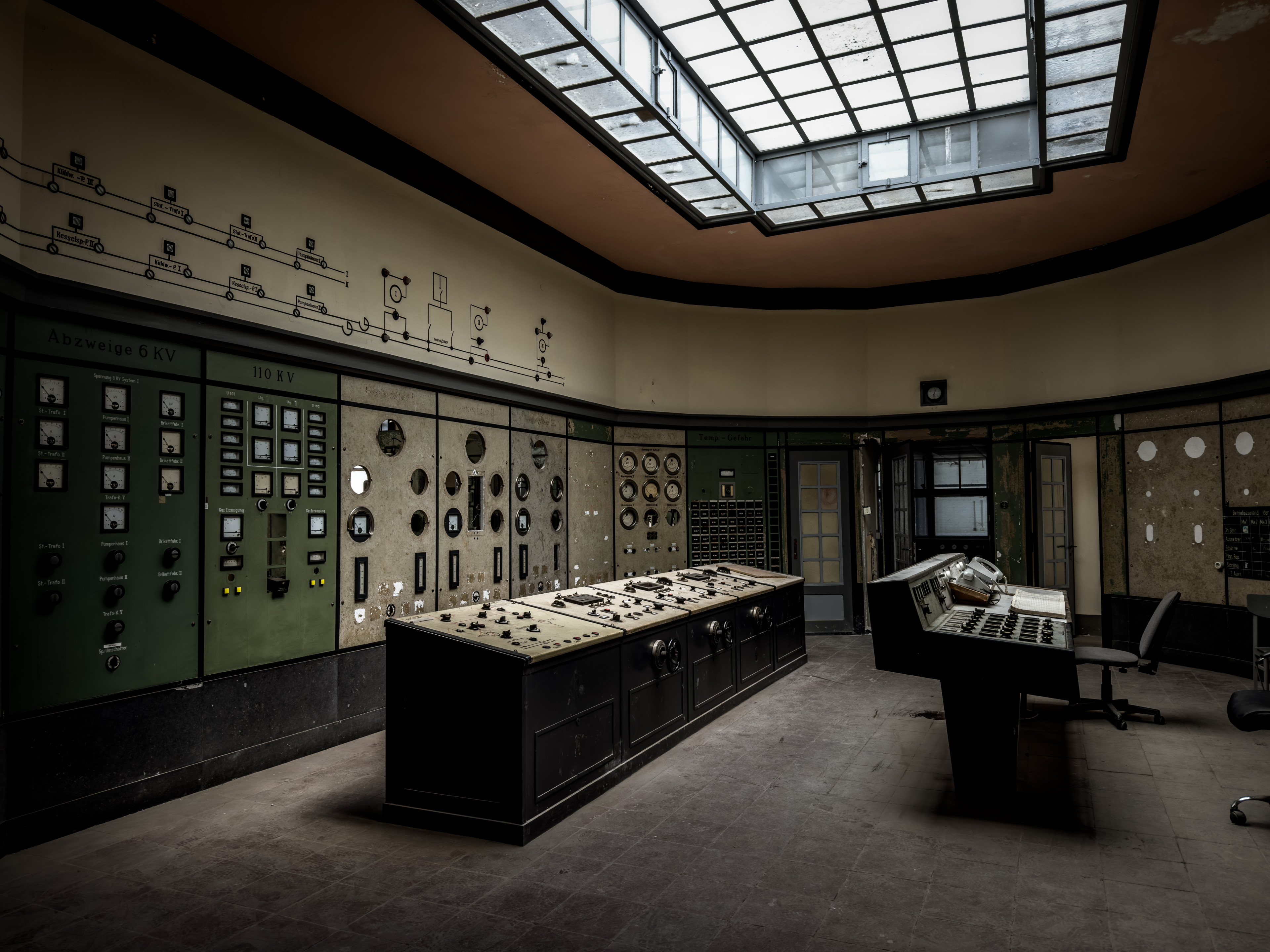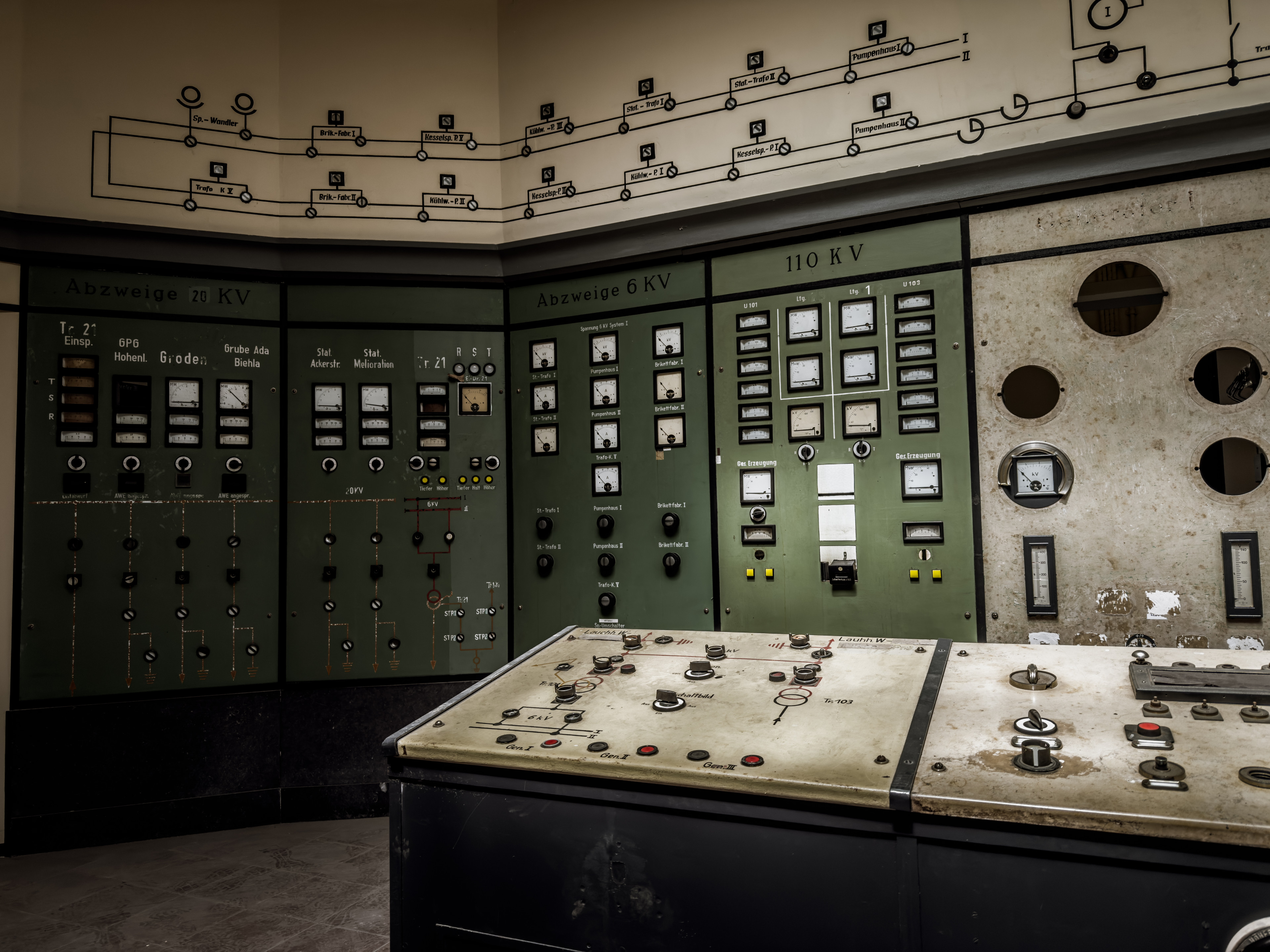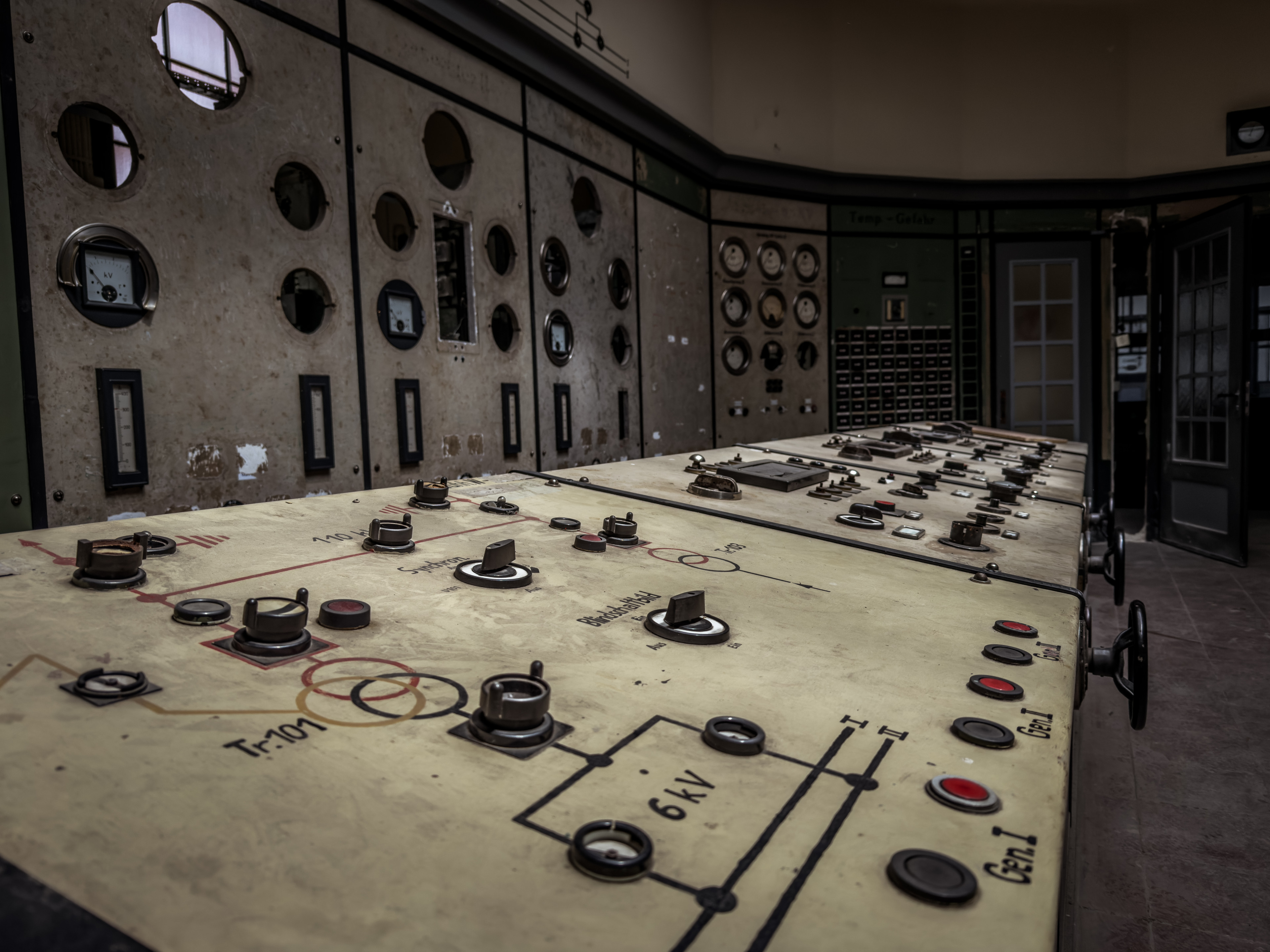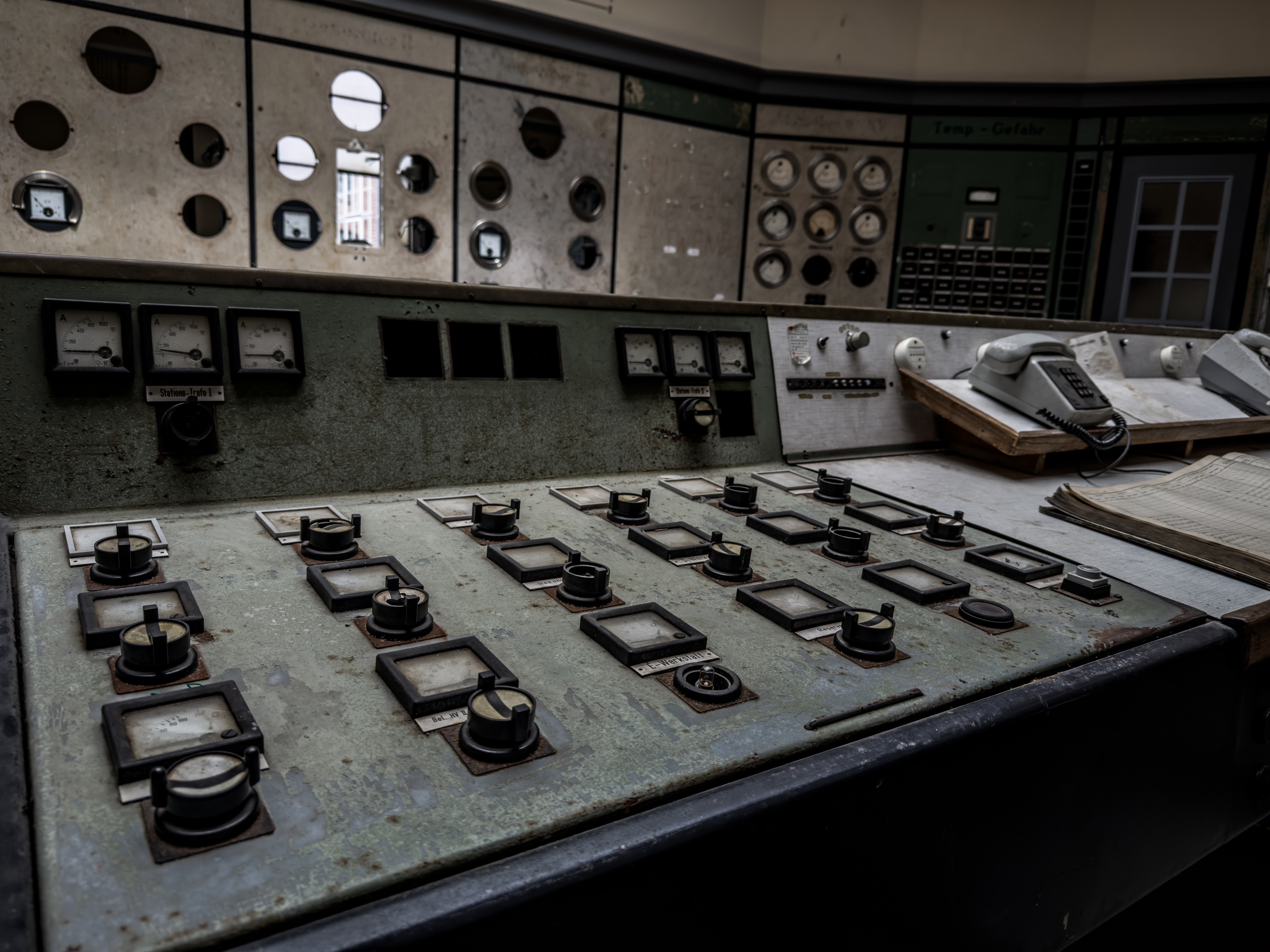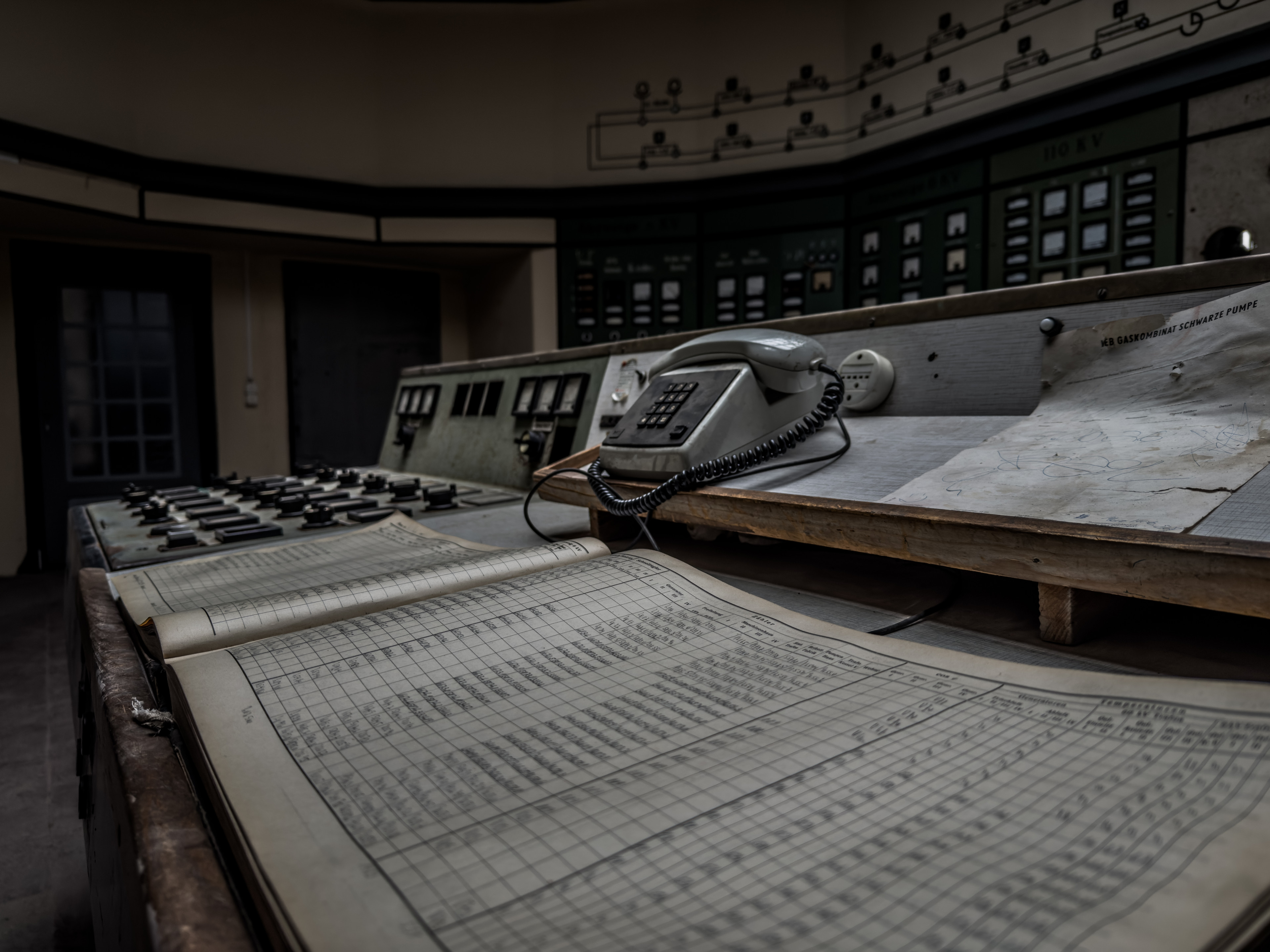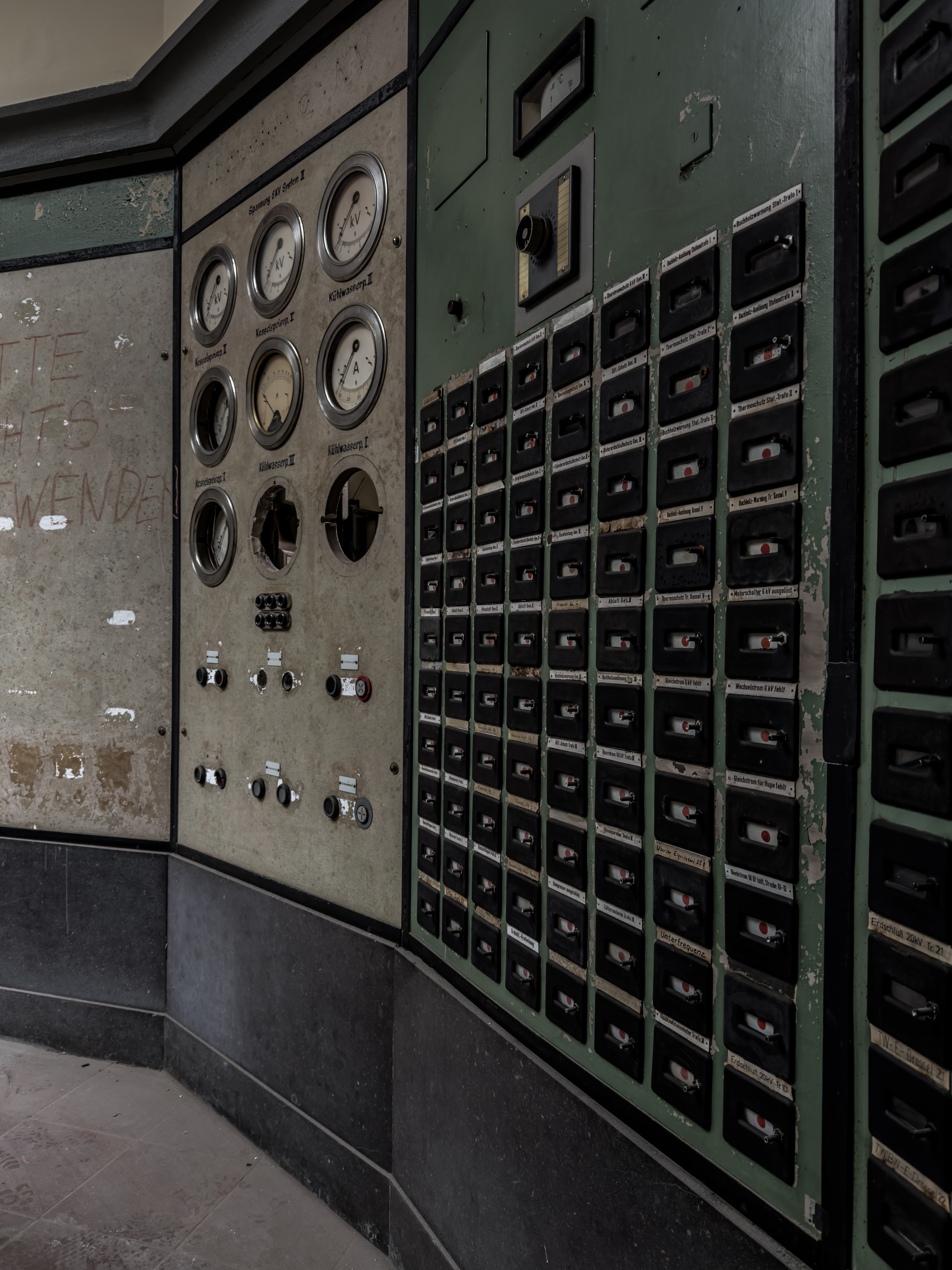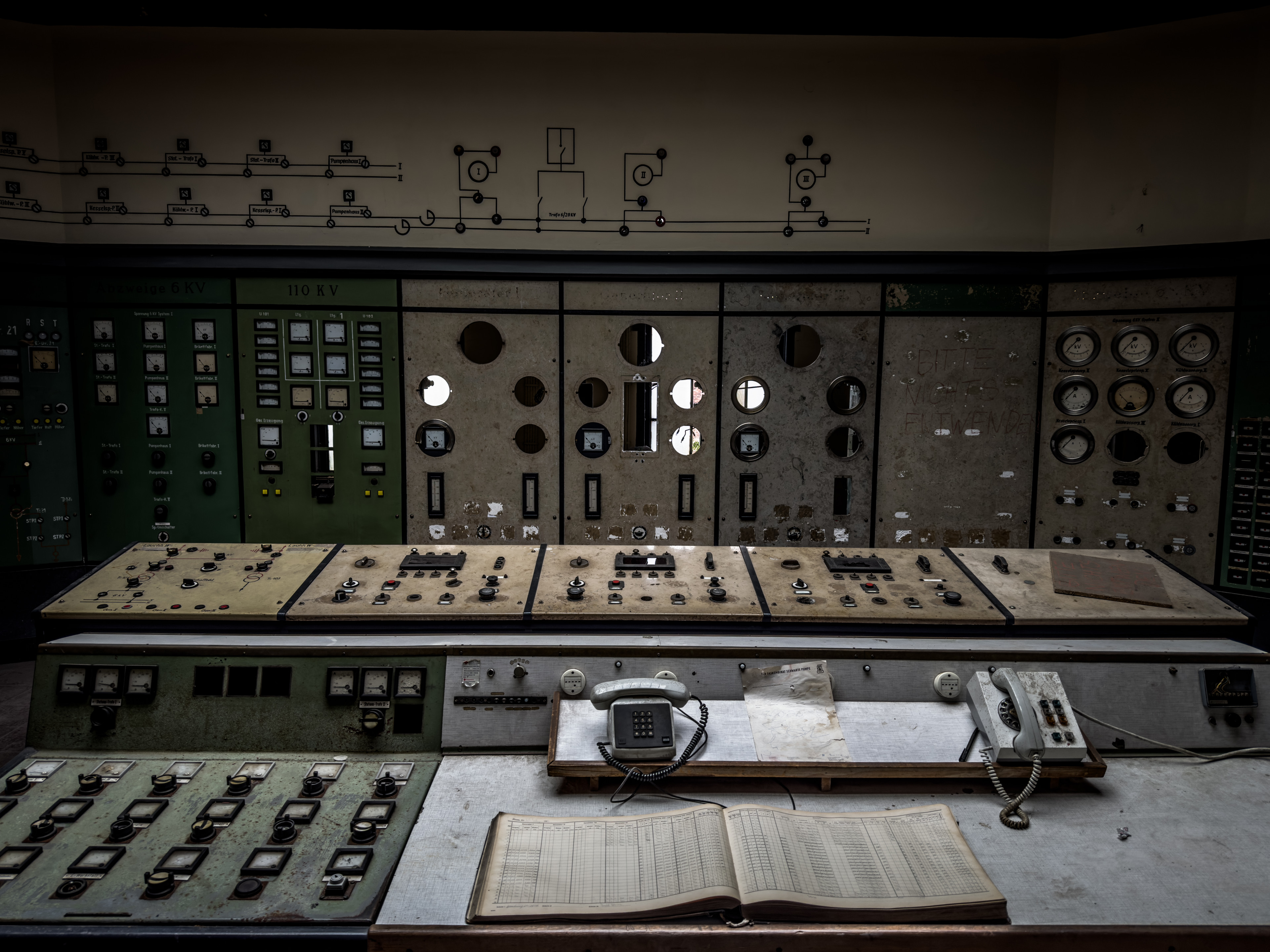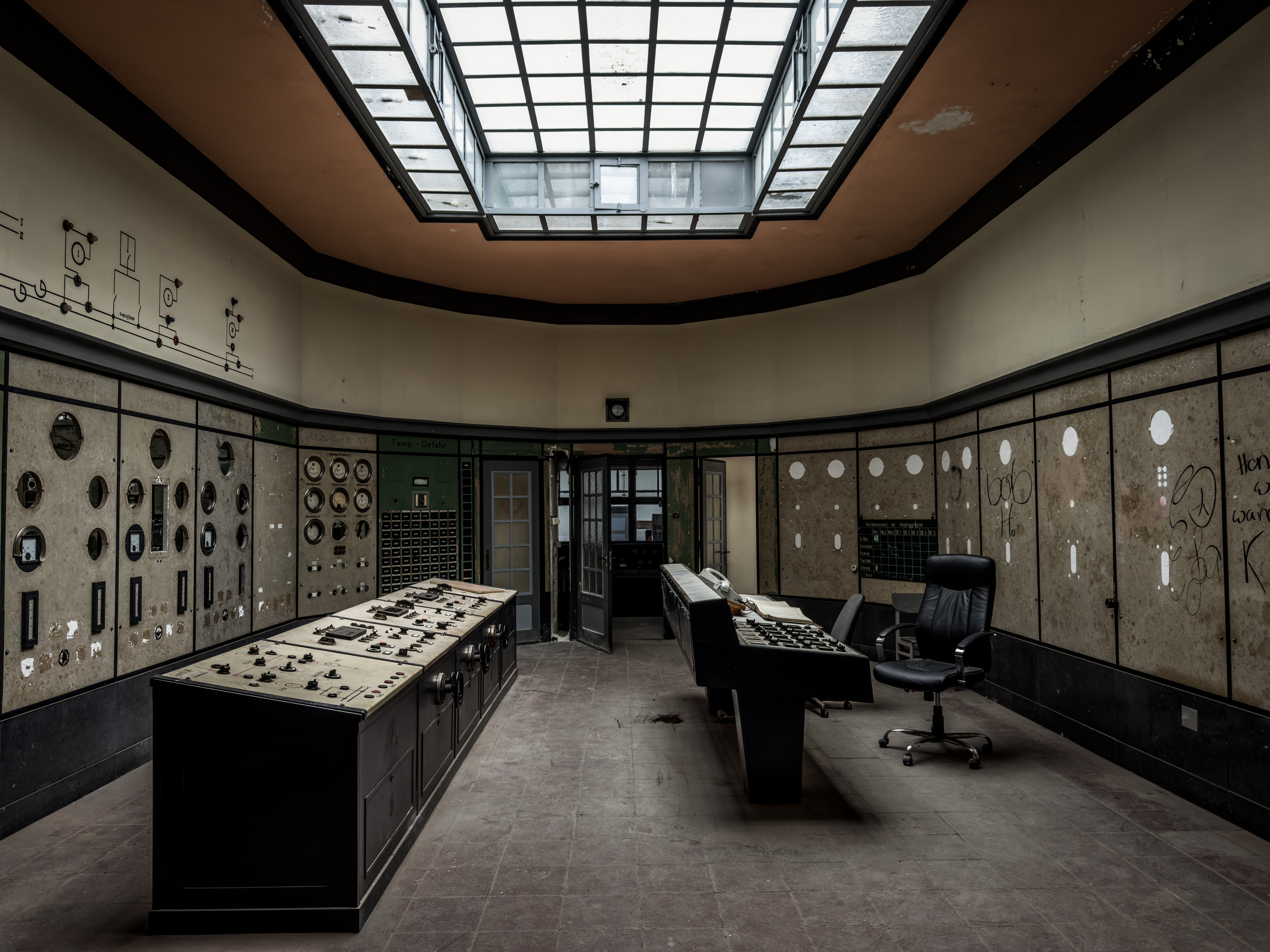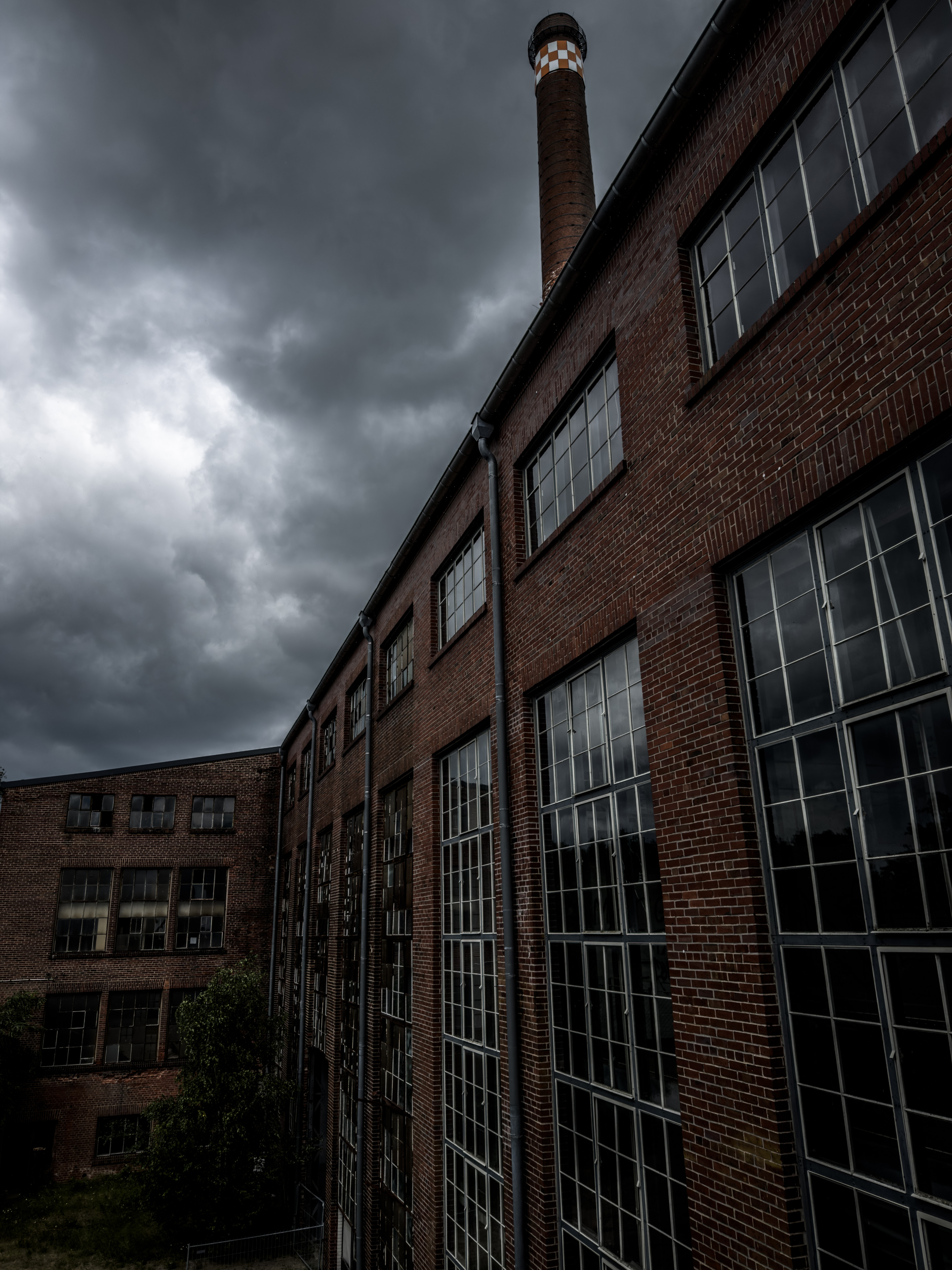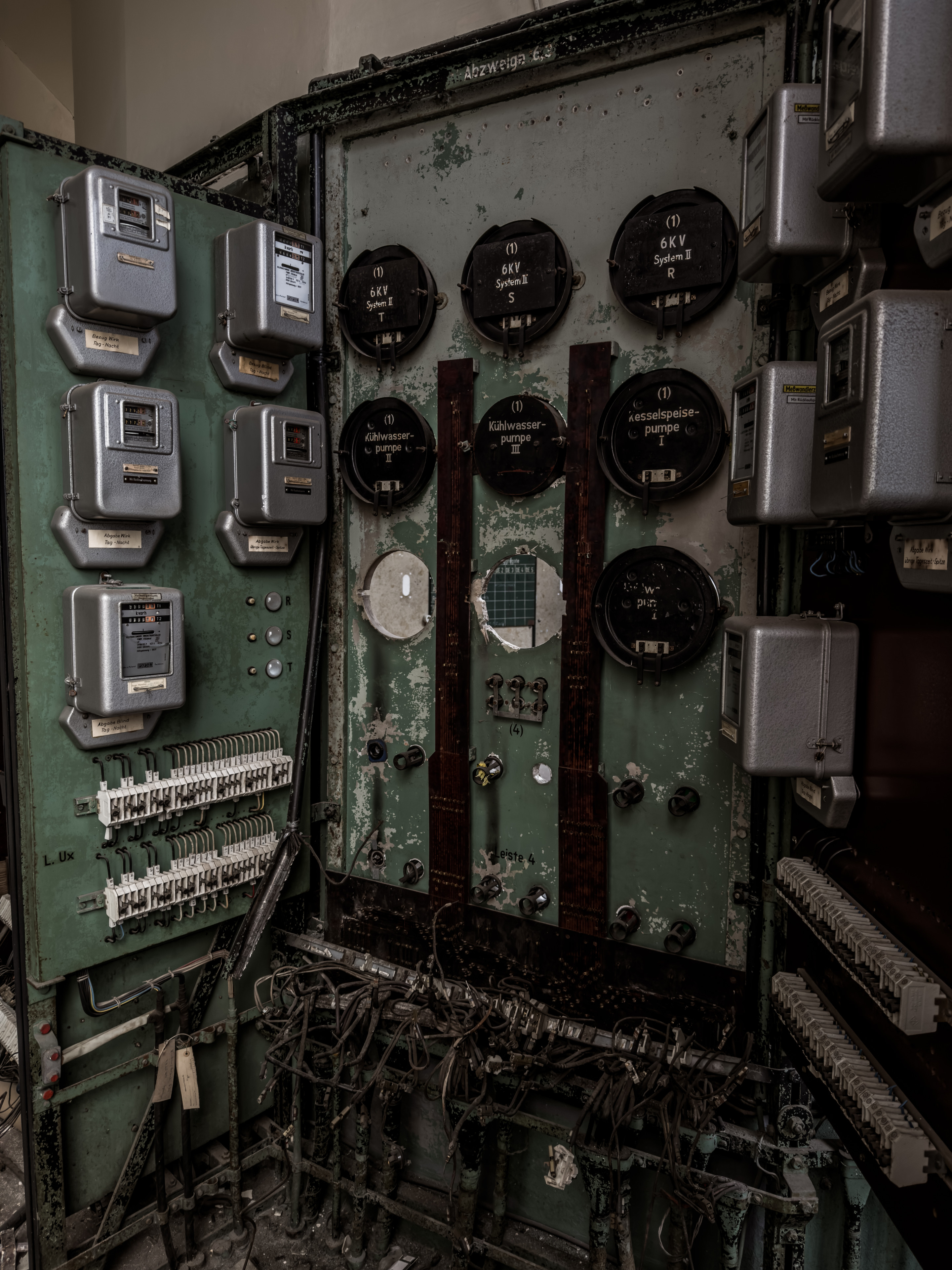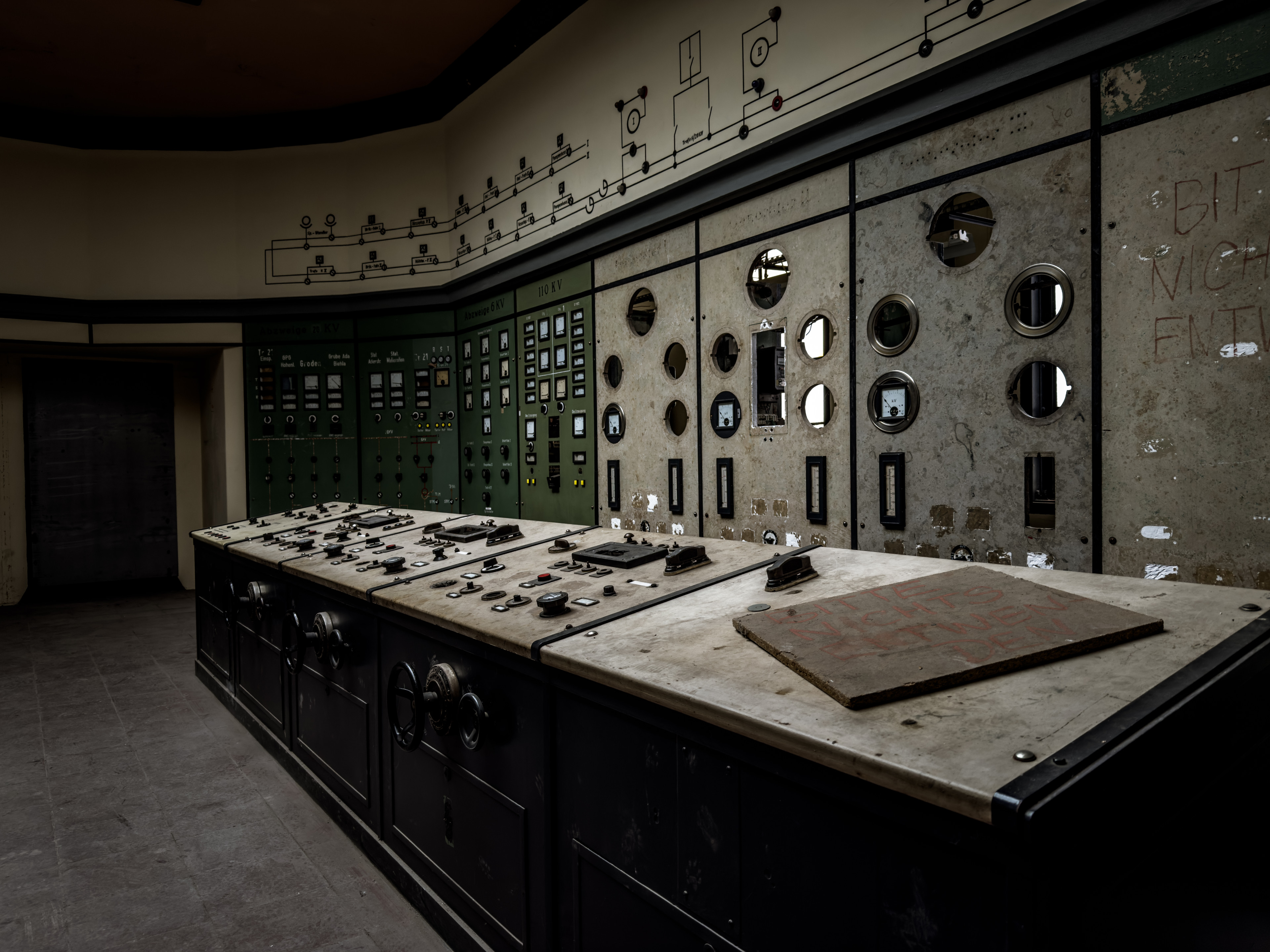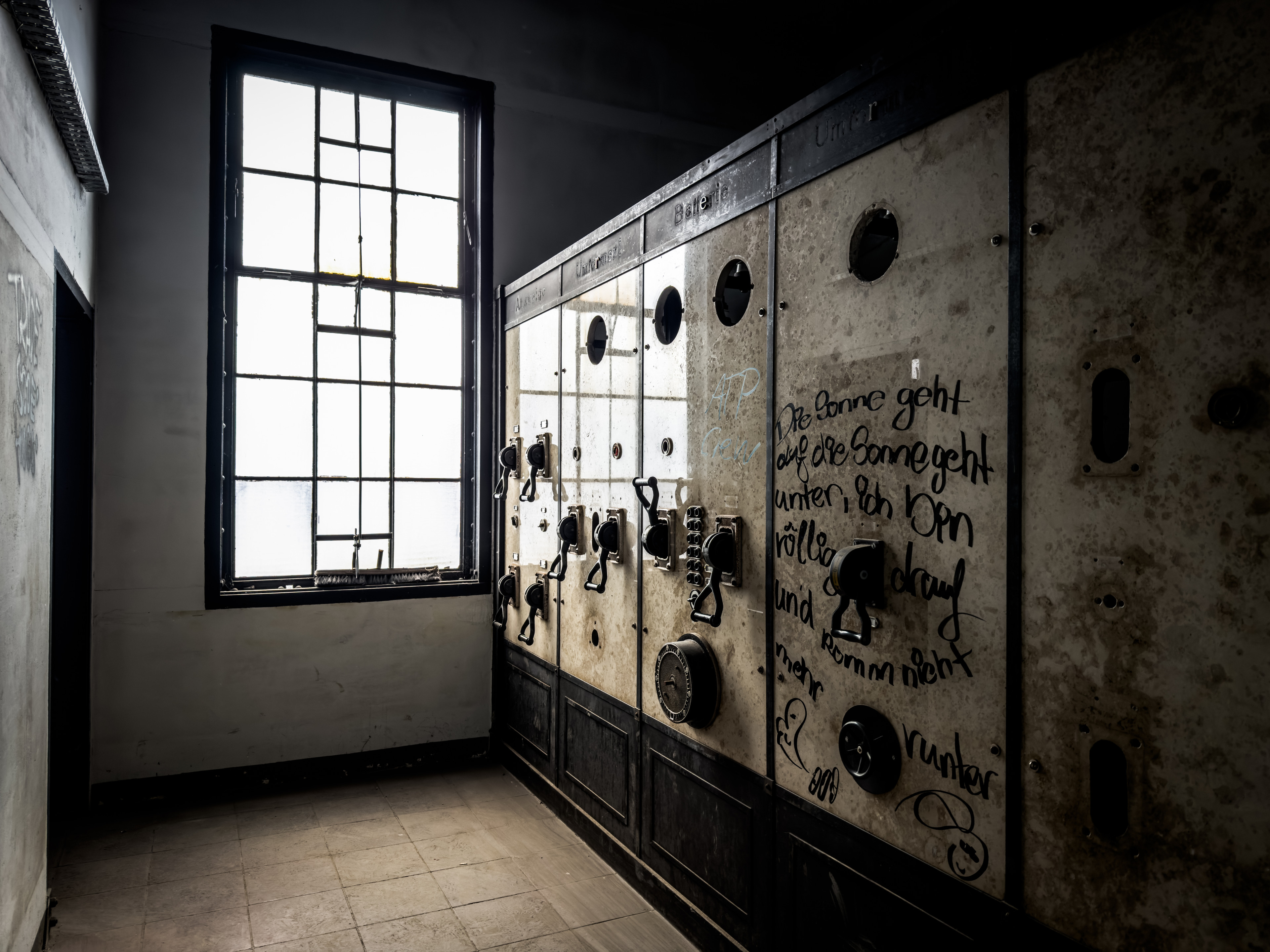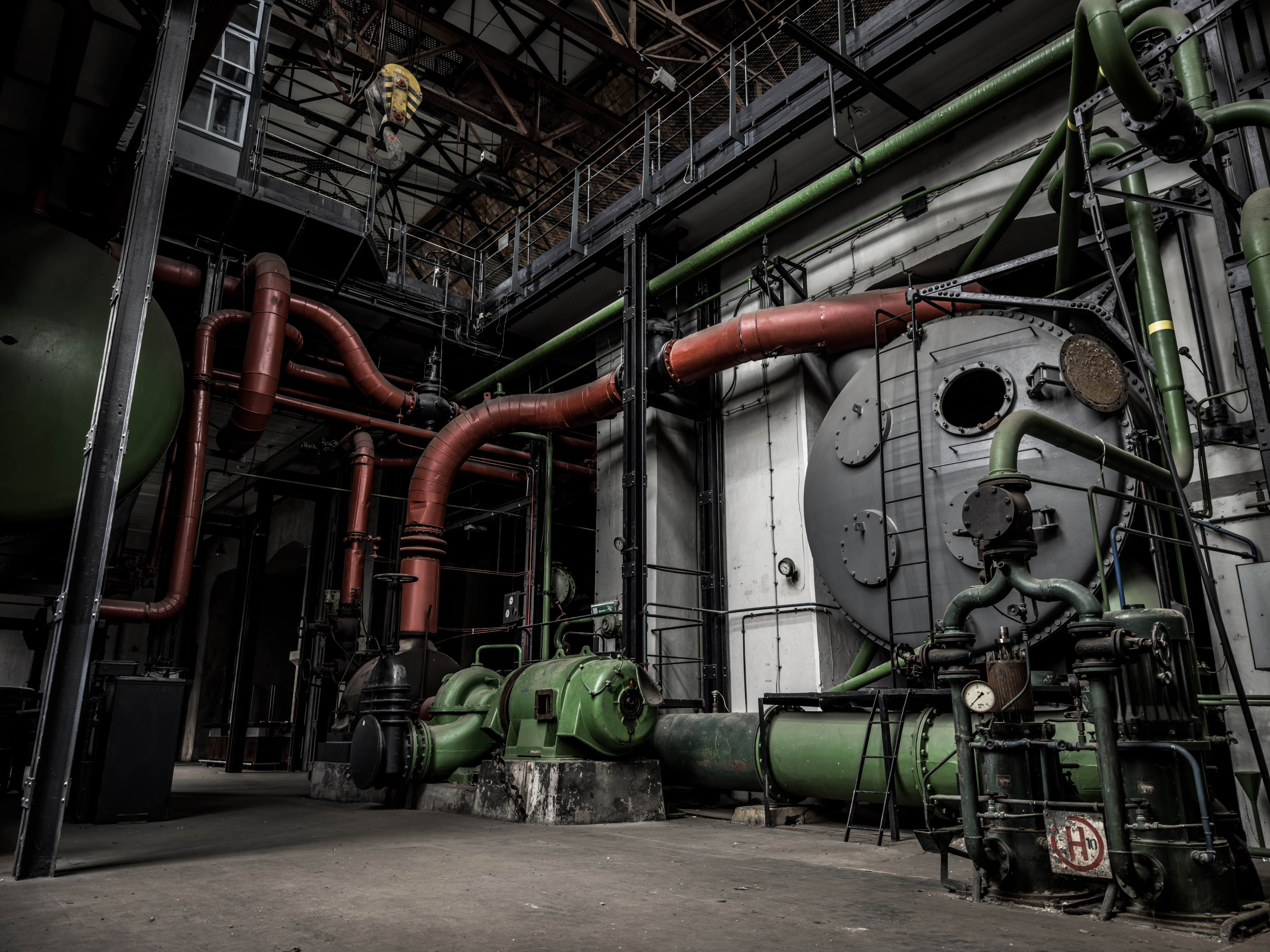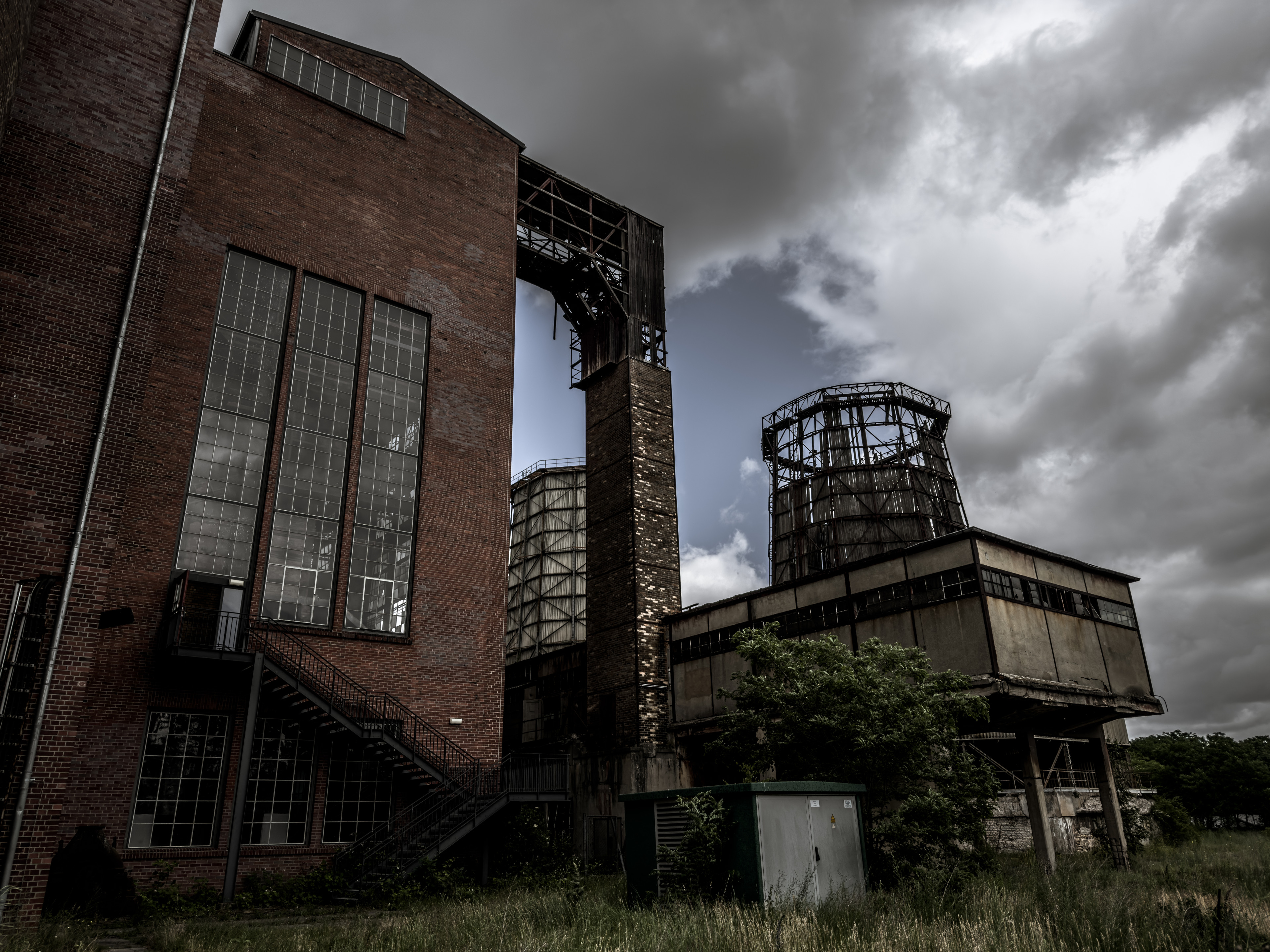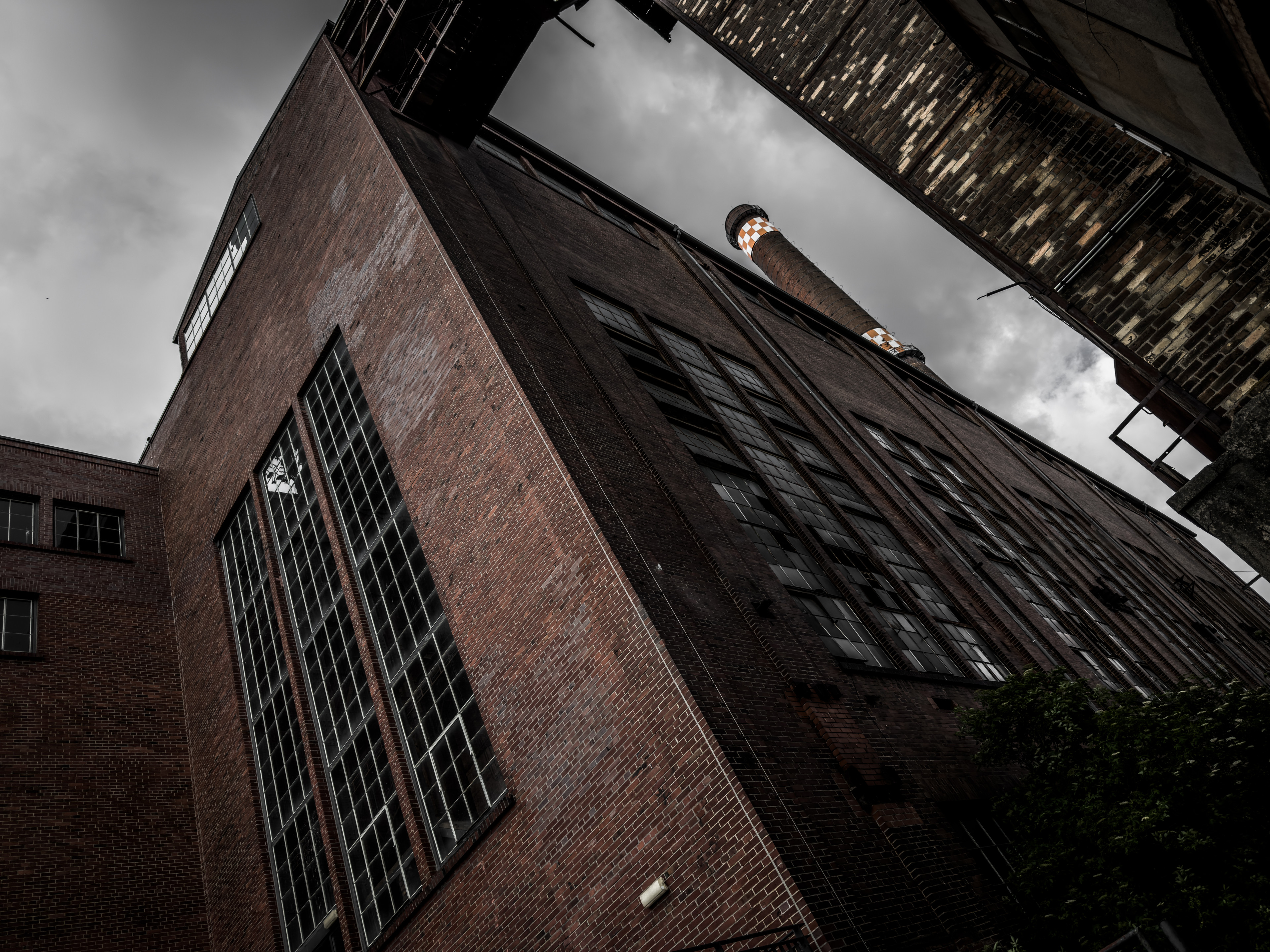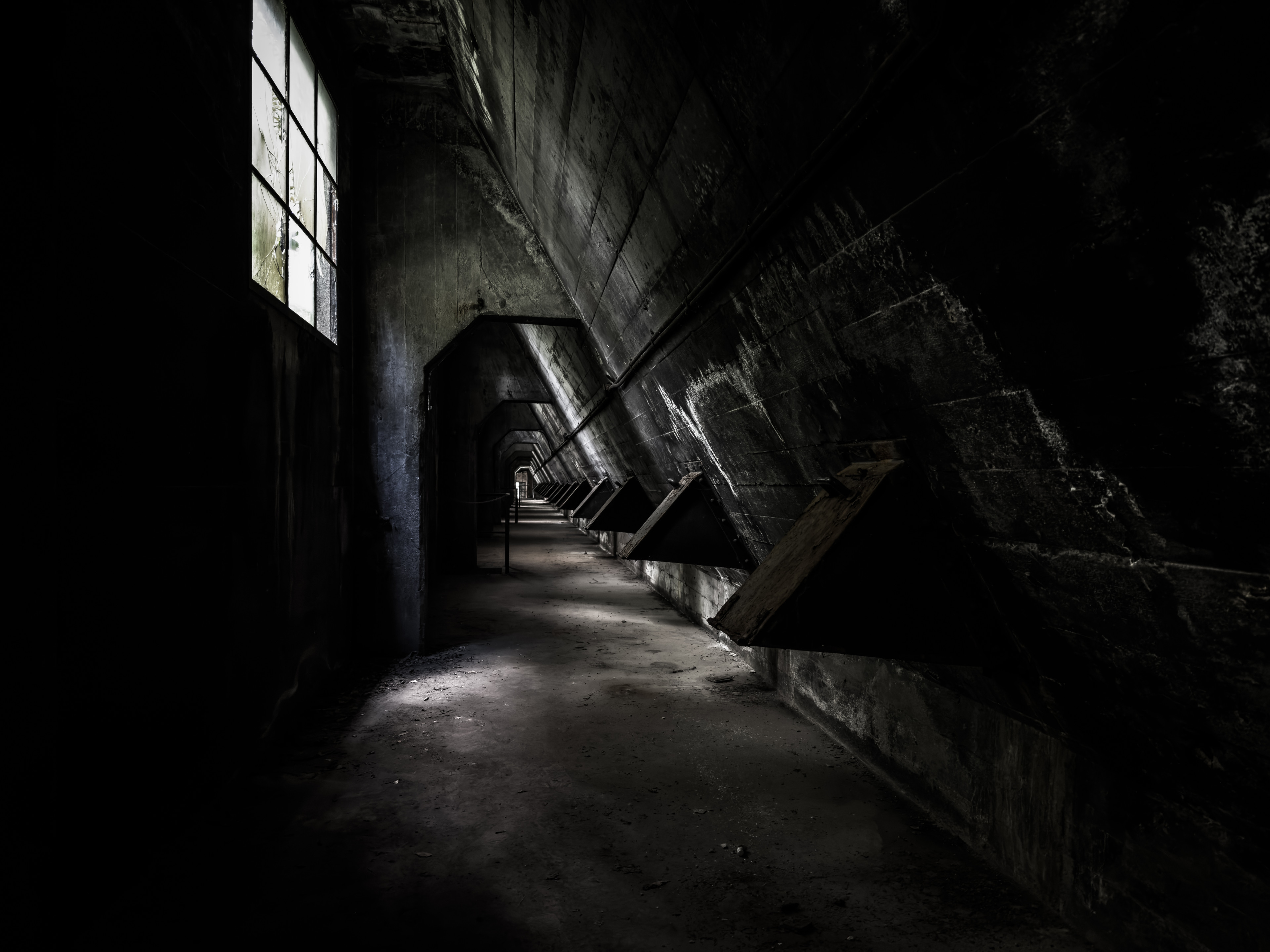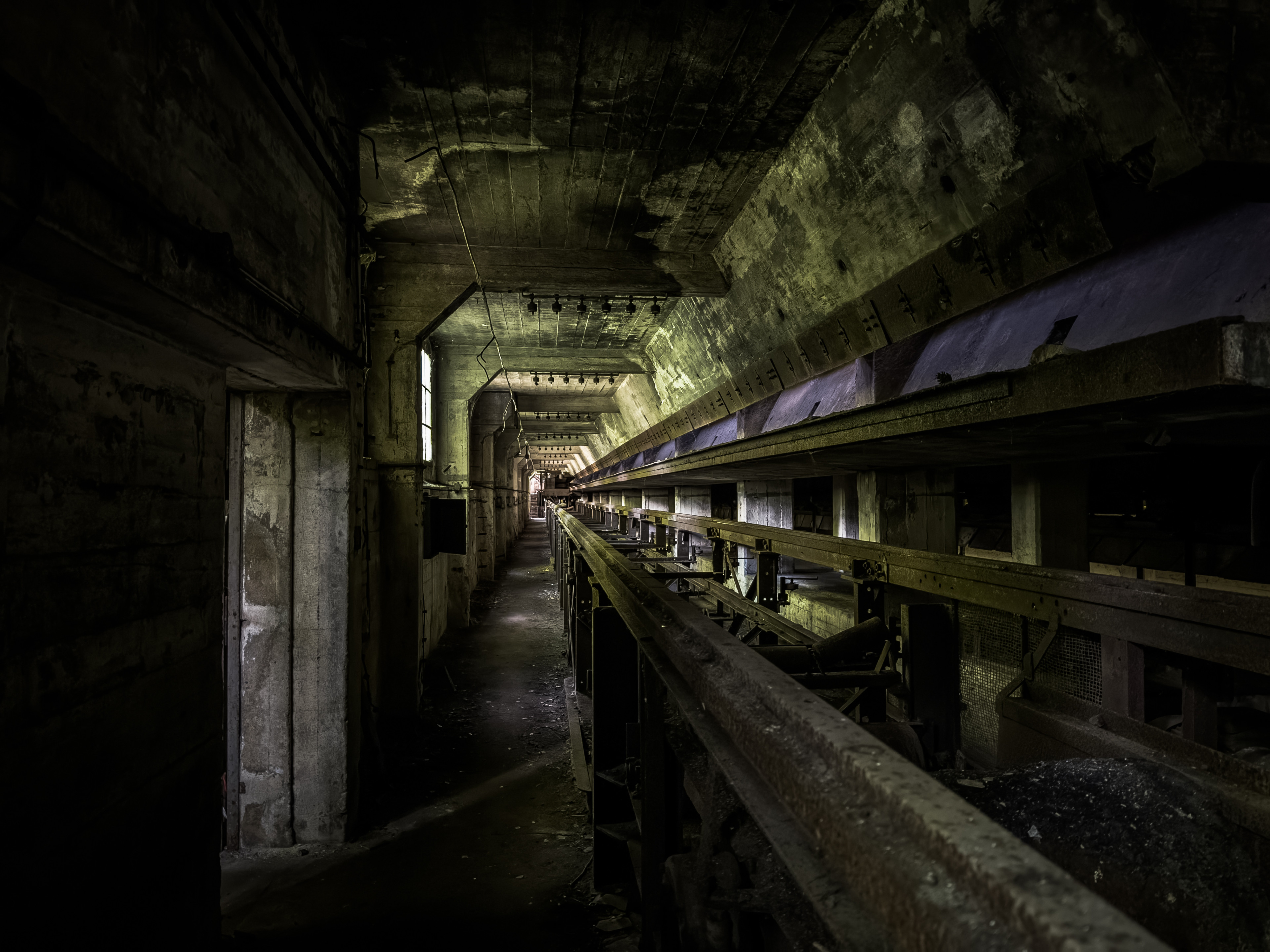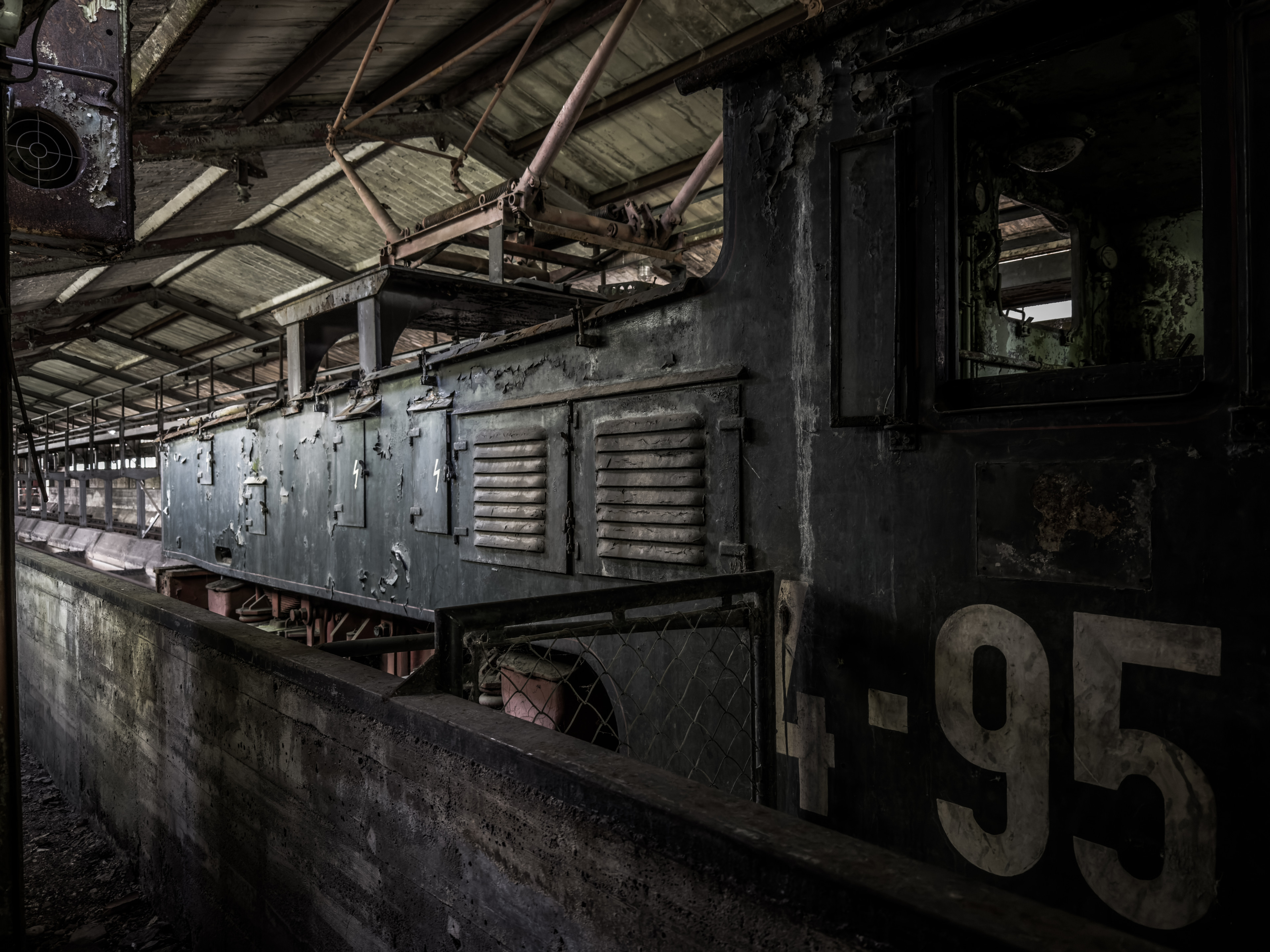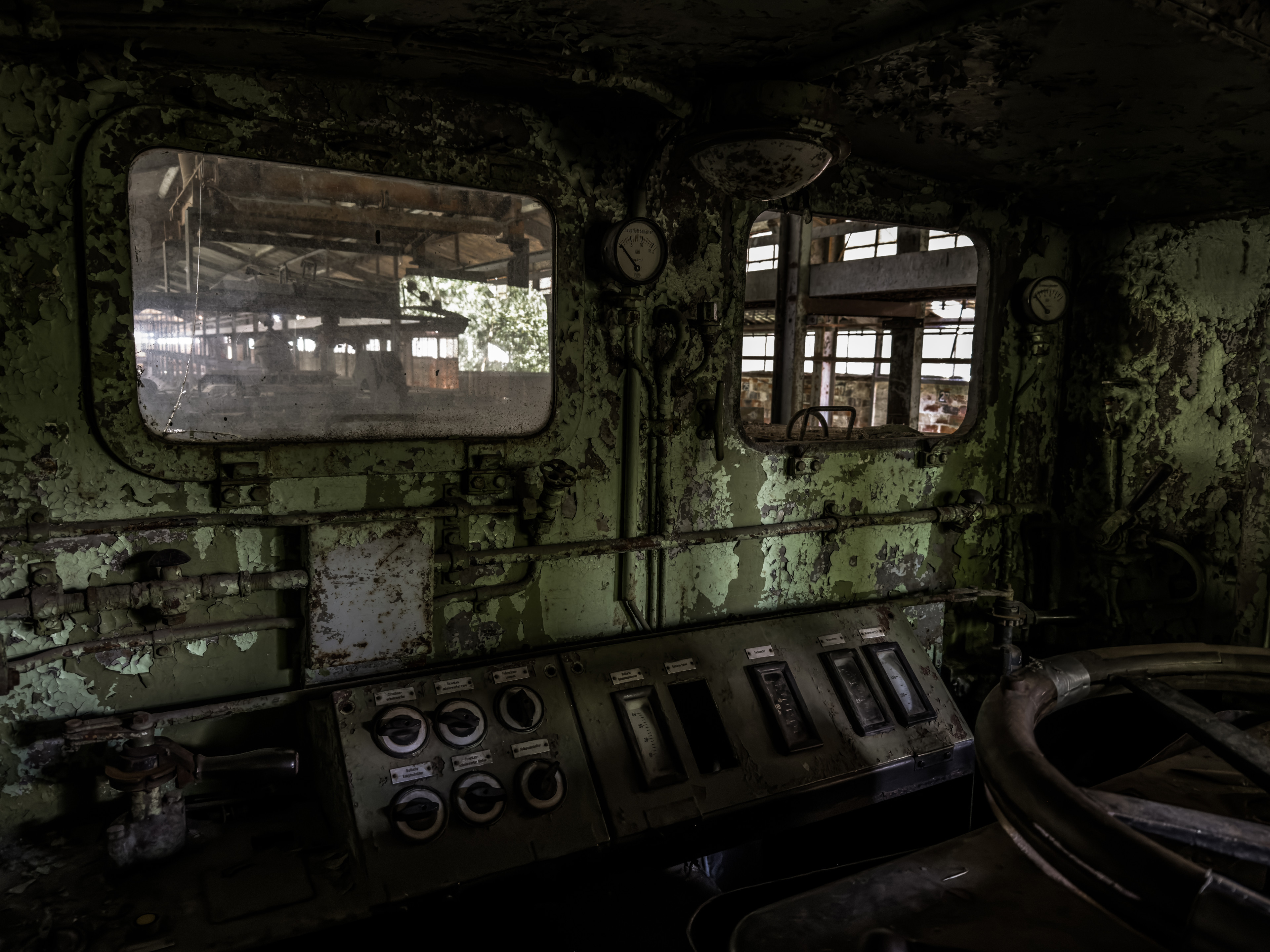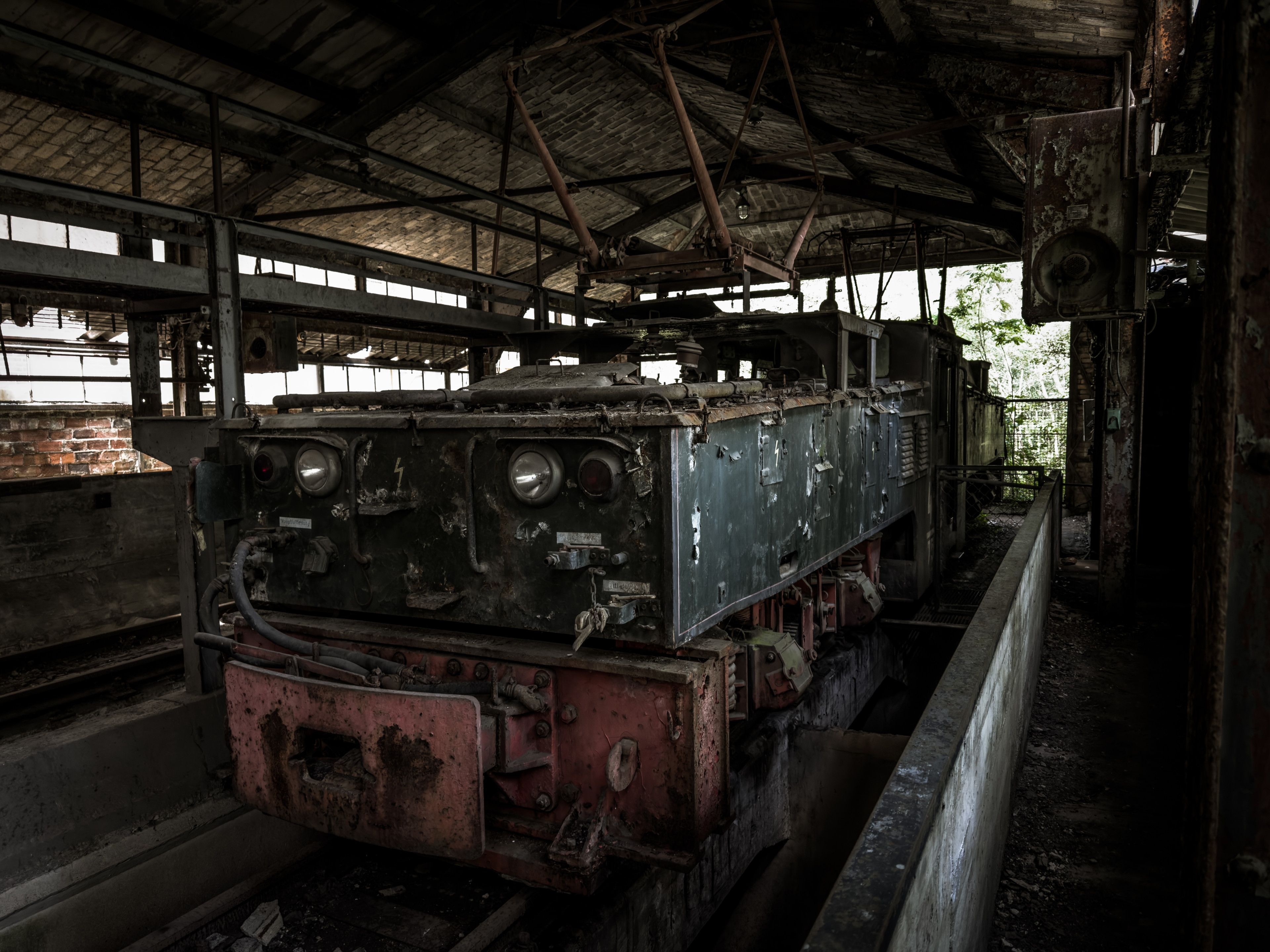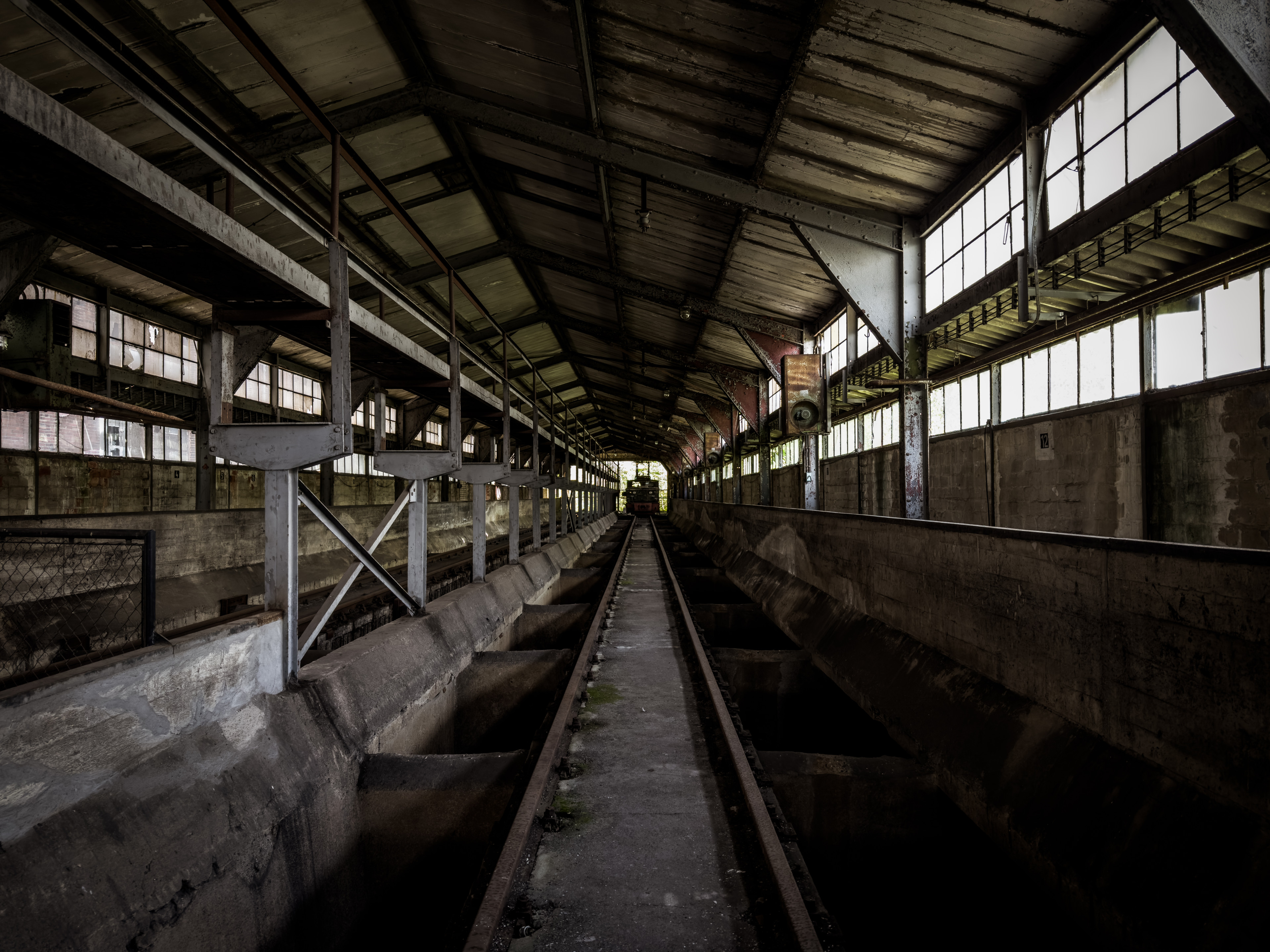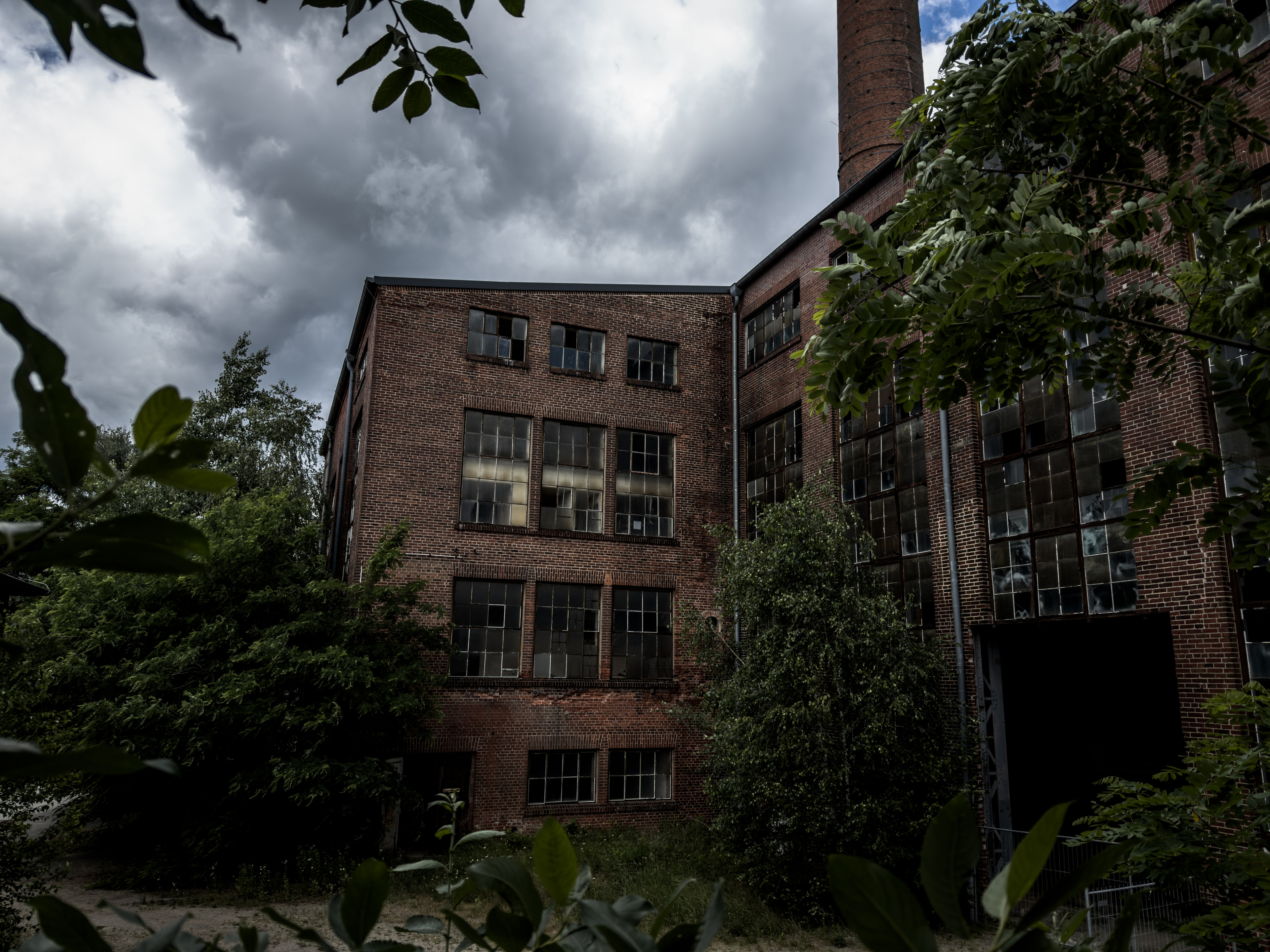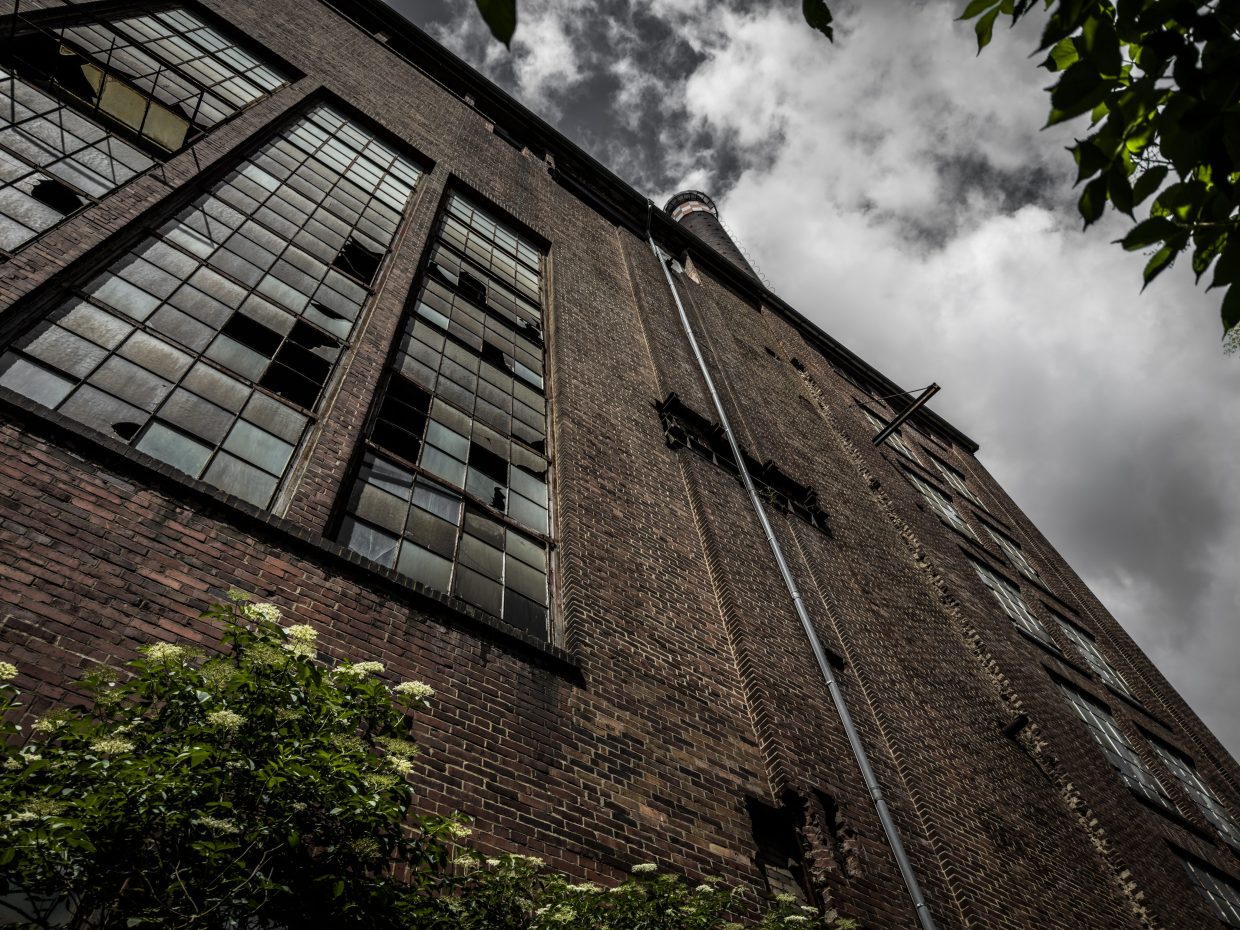
As the demand for electricity continued to grow following the increasing industrialisation of the region after the First World War, the Gröba Electricity Association (Elektrizitätsverband Gröba), founded in 1910, decided to construct a larger power station. Until then, only a 4,000 kW diesel power plant had been available to cover peak loads and emergency outages. The company was headquartered in Gröba, a district of Riesa, and had previously obtained most of its electricity from external suppliers.
The site at Plessa was selected because of its favourable production conditions. Nearby was the modern and highly productive Agnes lignite mine, where the world’s first overburden conveyor bridge had been commissioned in 1924, as well as the briquette factory operated by Plessaer Braunkohlenkraftwerke GmbH. The location also benefited from railway connections to the Kohlfurt–Falkenberg/Elster railway line and to the industrial railway of the lignite mining company. A long-term contract was concluded with the lignite mines for the supply of raw lignite, while the mines received electricity generated by the power station in return.
In May 1926, Siemens-Schuckertwerke GmbH of Berlin was awarded the contract as general contractor to design and construct the power station. From the outset, the plant was conceived as a modular power station that could be expanded as demand increased, allowing electricity generation to commence quickly. Its initial generating capacity was planned at 8,000 kW. After less than one year of construction, the power station was commissioned in April 1927 on the route of Europe’s first 110 kV transmission line.
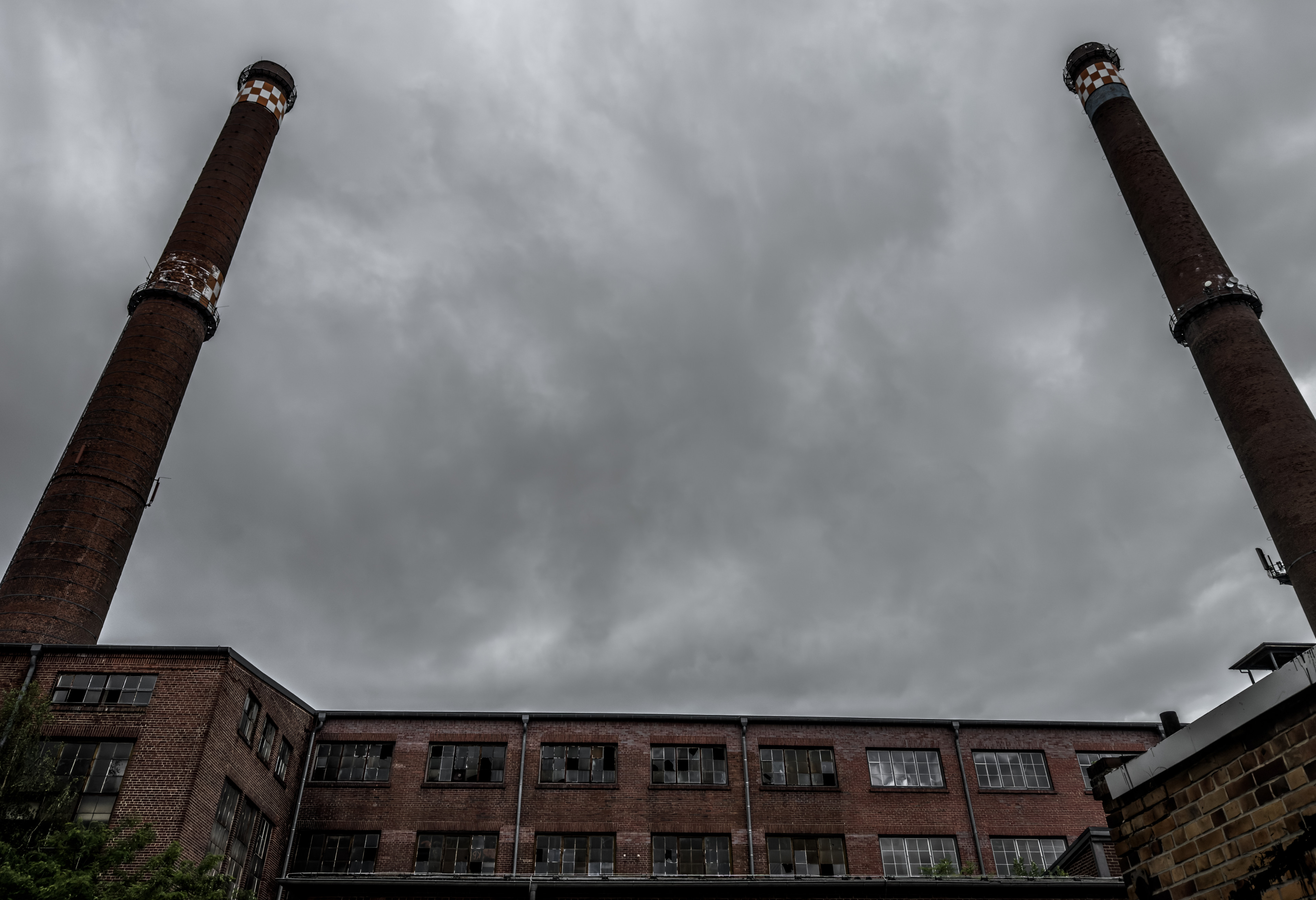
During the first expansion phase (1926–1928), the first section of the station was built, including the administrative building, the electrical switchgear, and a 115.2 m high chimney. Turbine 1, commissioned in 1927, had a capacity of 8,000 kW. Boilers 1 to 3 and Cooling Tower I were also completed during this period. In 1928, Turbine 2, rated at 10,000 kW, and Cooling Tower II entered service.
During the second expansion phase (1929–1930), the turbine hall, boiler house, outdoor coal bunker installation, and various auxiliary facilities were enlarged. In 1930, Turbine 3, with a capacity of 16,000 kW, together with Boiler 4, was commissioned.
During the third expansion phase (1936–1942), the turbine hall and boiler house were extended and completed, and an annex housing the water treatment plant was constructed. Additional auxiliary facilities were also built. Between 1940 and 1941, a second chimney, 120 m in height, was erected to carry the flue gases from Boilers 4 and 5. In 1942, a fourth turbine with an output of 20,000 kW was commissioned. Following the end of the Second World War, however, it was dismantled in 1945 and transported to the Soviet Union as part of Germany’s war reparations.
After the Second World War, numerous maintenance and modernisation projects were carried out to preserve the facility. These included replacement of the turbine hall ceiling in 1950, construction of Cooling Tower IV in 1954, and installation of larger transformers during the conversion of the transmission voltage from 60 kV to 110 kV in 1973. Between 1976 and 1978, the coal handling system was modernised by introducing an inclined conveyor belt.
On 22 July 1985, the entire power station was designated a protected historic monument. Prior to German reunification, the plant formed part of the Schwarze Pumpe Gas Kombinat. Following the dissolution of the Kombinat by the Treuhand, ownership was transferred jointly to the Municipality of Plessa and Hanseatische Aktiengesellschaft, with the intention of continuing electricity production.
Under the new operating concept, natural gas was intended to replace lignite as the primary fuel. However, this would have required substantial investment and extensive reconstruction of the plant. The project ultimately proved unfeasible and was never realised. On 14 April 1992, the final turbine-generator set was shut down, and the power station was disconnected from the electricity grid. On 1 January 1996, the Municipality of Plessa became the sole owner of the power station.
In 1998, the Plessa Power Plant was included in the project list of the International Building Exhibition (IBA) Fürst-Pückler-Land under the theme “Power Plant in Transition.” The aim was to transform the site into an industrial heritage attraction. In 1999, plans for a mixed commercial and museum use were presented. In 2001, the Industrial Monument and Industrial Museum Plessa Power Plant Ltd. was founded by the Friends of Plessa Power Plant Association and the Municipality of Plessa. The organization became the owner of the six-hectare site, and restoration work began, with roof renovation as the first priority. The long-term development plan includes expanding the site as an industrial museum, converting the turbine hall into a multifunctional event venue, establishing a cultural brewery, creating permanent and temporary exhibition spaces, and developing a fruit-processing facility for produce from the surrounding orchards. However, since 2024 the power plant has been closed to regular visitors.
This place can only be visited legally, since it’s mostly locked and guarded otherwise.